Ctrl K
1620–1694
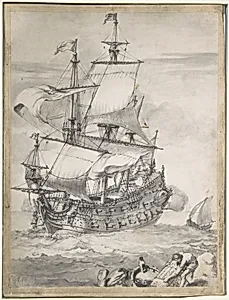
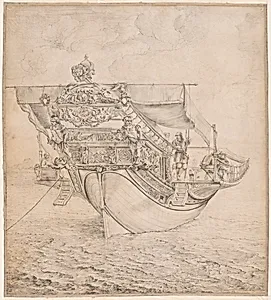
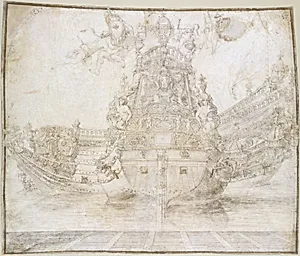
**Pierre Puget** (1620–1694) was a French Baroque painter, sculptor, architect, and engineer whose dramatic, emotionally charged works set him apart from the more restrained classicism favored at the court of Louis XIV. Born in Marseille to a stonemason father, he trained as a woodcarver and began his career at age fourteen carving elaborate ornaments for galleys in the local shipyards.
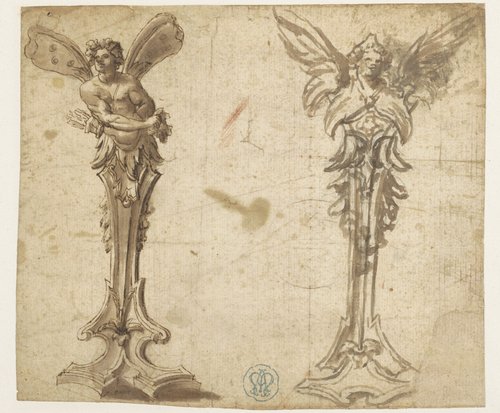
In 1640 he traveled to Italy, where he assisted the prominent Baroque painter **Pietro da Cortona** on ceiling decorations for the Palazzo Barberini in Rome and the Palazzo Pitti in Florence. This formative experience introduced him to the dynamic Italian Baroque style, which he later adapted in his own sculpture and painting. Upon returning to Provence, Puget worked in both Marseille and Toulon, initially as a painter of religious subjects before shifting his focus to sculpture. His breakthrough came with the powerful atlantes (caryatid figures) supporting the portal of the Hôtel de Ville in Toulon (completed 1657), modeled on local laborers and conveying intense physical strain.
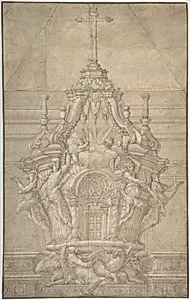
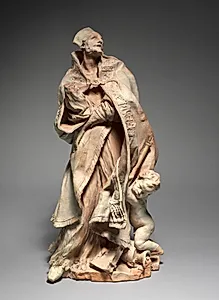
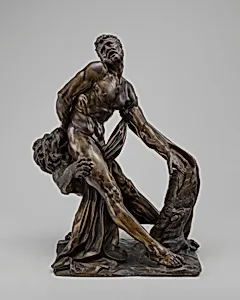
Puget spent significant time in Genoa, producing major works such as the *Saint Sebastian* (1663–68) for the church of Santa Maria Assunta di Carignano. Later commissions for Versailles included his most celebrated sculptures: the monumental *Milo of Crotona* (c. 1671–82) and *Perseus and Andromeda*, both now in the Louvre. These pieces exemplify his signature style—marked by pathos, muscular tension, and vivid expressions of suffering or triumph. He also designed architectural projects in Marseille, most notably the Hospice de la Vieille Charité (begun 1679).
Although his independent spirit sometimes clashed with royal officials like Jean-Baptiste Colbert, Puget’s expressive Baroque vision left a lasting mark on French art. His works bridged Italian dynamism with French traditions, influencing subsequent generations of sculptors. Today he is recognized as one of the greatest French sculptors of the seventeenth century, with his dramatic figures continuing to captivate viewers in major museums.