Ctrl K
1855–1922
Pierre Roche, born Pierre Henry Ferdinand Massignon in Paris on August 2, 1855, was a multifaceted French artist renowned as a sculptor, painter, ceramist, medallist, and printmaker. The son of a pharmacist, he initially studied medicine and chemistry before turning to the arts. From 1873 to 1878, he trained as a painter at the Académie Julian under Alfred Roll and exhibited at the Paris Salon from 1884 to 1889. In 1888, encouraged by sculptor Jules Dalou, whose studio he frequented, Roche began exploring sculpture, competing for a monument to Georges Danton. He adopted the pseudonym Pierre Roche in homage to his maternal grandfather.)
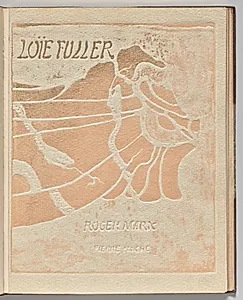
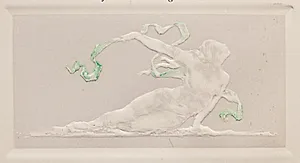
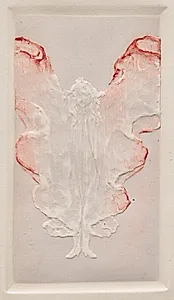
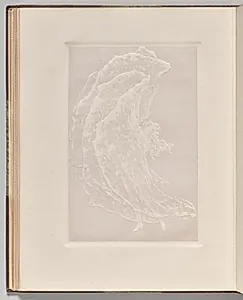
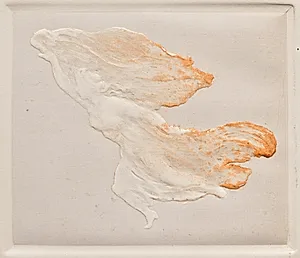
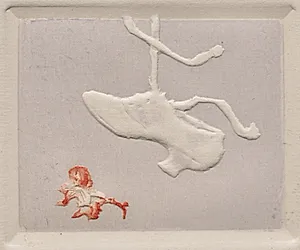
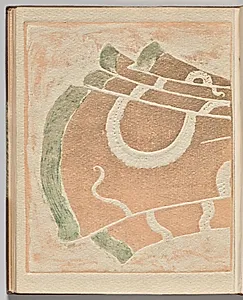
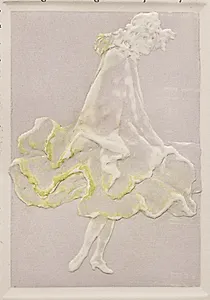
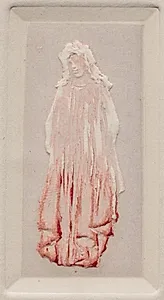
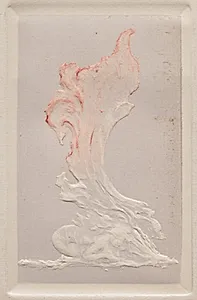
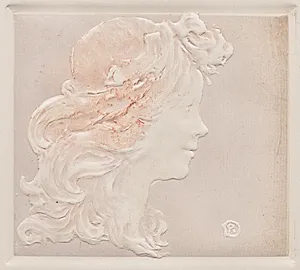
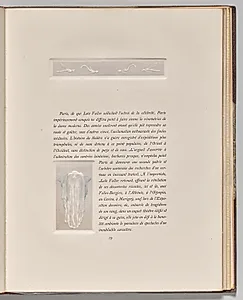
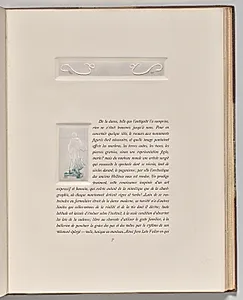
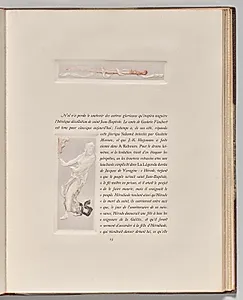
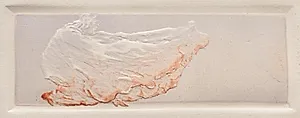
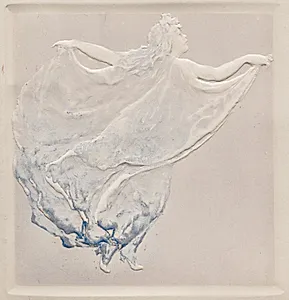
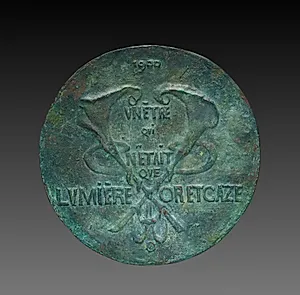
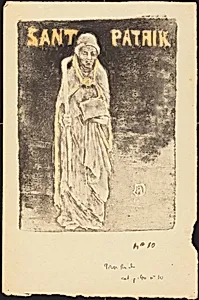
Working in the Art Nouveau tradition, Roche championed "art social," blending sculpture with decorative arts to challenge academic hierarchies between major and minor forms. His symbolist aesthetic featured nudes, mythological figures, plants, and flowers, often emphasizing texture, movement, and innovative materials. He produced public commissions, ceramics, medals, and jewelry while remaining a dedicated printmaker. Roche is credited with inventing gypsographie (or gypsotypie), a relief-printing technique using plaster matrices inked by hand and impressed onto Japanese paper to create unique, textured, limited-edition prints.)
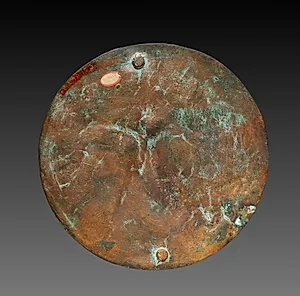
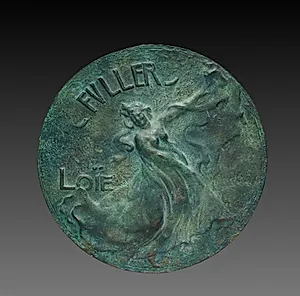
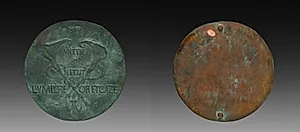
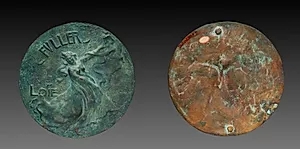
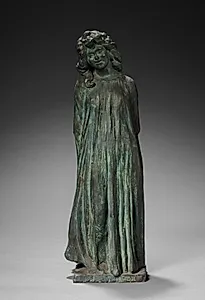
His major sculptures include *L'Effort* (c. 1898), a lead-and-sandstone work in Paris's Jardin du Luxembourg depicting Hercules diverting the Alpheus river, and the bronze *Fontaine de l'Avril* (1906) in the Musée Galliera gardens. He also created the celebrated 1894 sculpture of dancer Loïe Fuller, capturing her swirling, flame-like movements in bronze. Roche's gypsographs, such as those depicting Saint Agatha, Aphrodite, and Cambodian dancers, form a significant part of his output and appear in collections including the National Gallery of Art.
Roche's legacy endures through his technical innovations and contributions to Art Nouveau decorative arts. He was named a Chevalier of the Légion d'honneur in 1910 and was the father of the eminent Islamic scholar Louis Massignon. His works reside in the Musée d'Orsay, Petit Palais (which received a major 2015 donation of his studio archive), Fine Arts Museums of San Francisco, and other institutions worldwide. Roche died in Paris on January 18, 1922, leaving a versatile oeuvre that continues to illustrate the era's fusion of sculpture, printmaking, and design.