Ctrl K
1706–1761
**Pieter Tanjé (1706–1761)** was a Dutch reproductive engraver active in the eighteenth century. Born in Bolsward, he initially worked as a shipmate on the shipping service between his hometown and Amsterdam. In his spare time, he engraved designs for snuff boxes, an activity that proved so successful that it led to his artistic training.
Encouraged by Jacob Folkema, Tanjé enrolled at the age of twenty-four in the Amsterdam Stadsacademie, where he studied under Bernard Picart, Jacob Houbraken, Cornelis Troost, and Jacob de Wit. The British Museum also notes him as a pupil of Folkema from around 1730. These connections placed him firmly within the Dutch tradition of reproductive printmaking, focused on translating paintings and drawings into detailed engravings for wider dissemination.
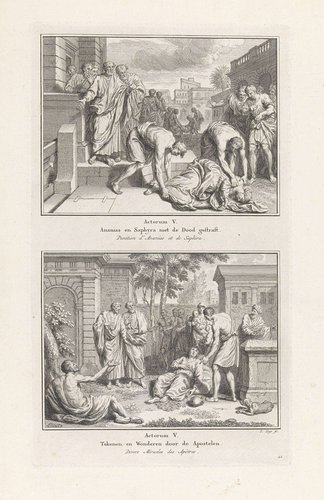
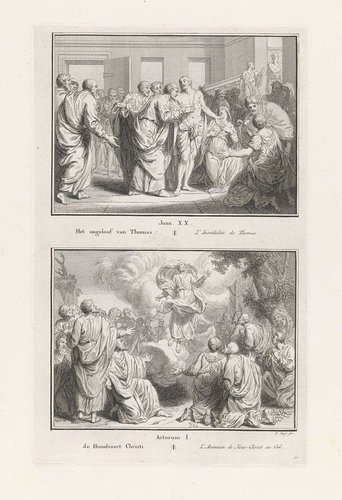
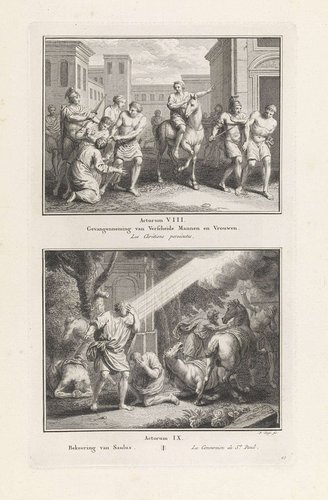
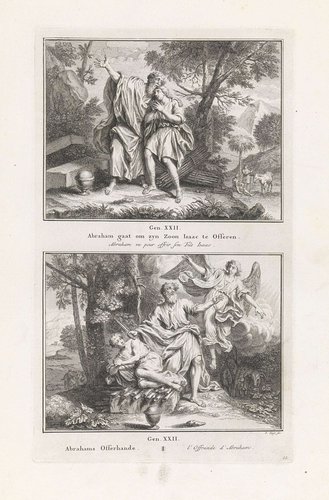
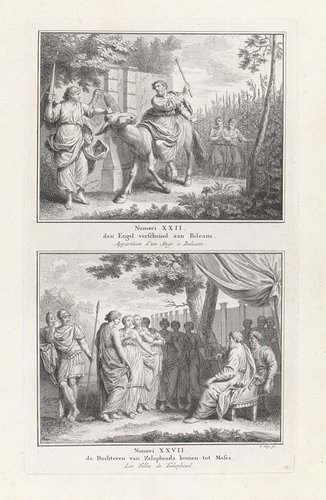
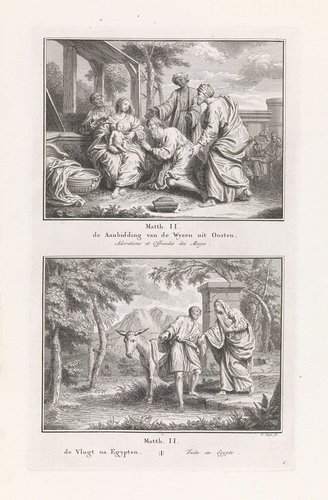
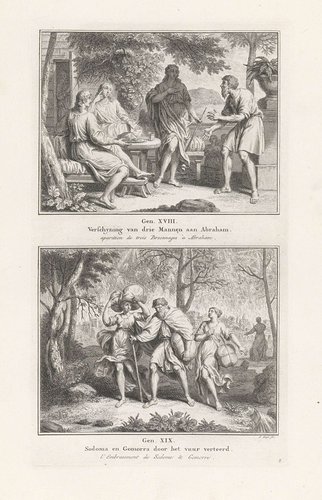
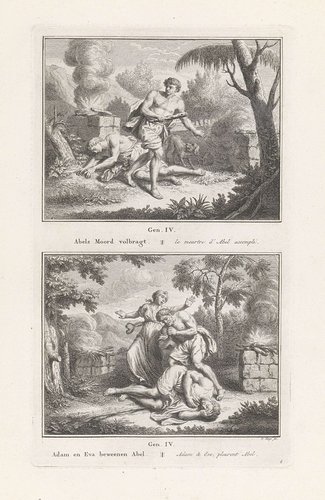
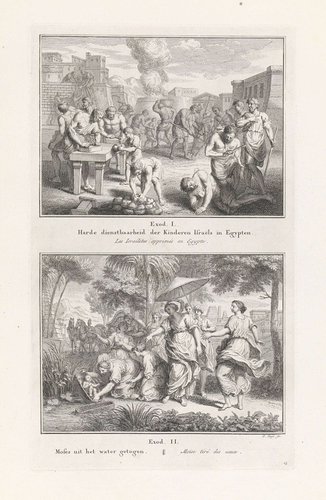
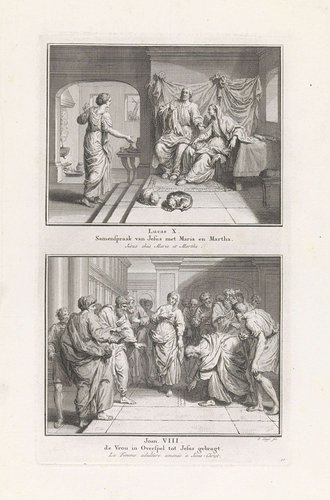
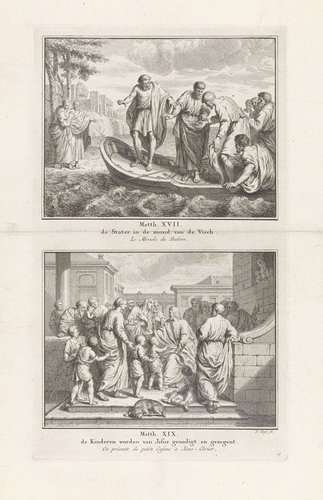
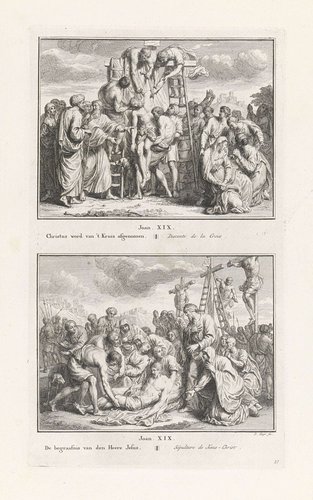
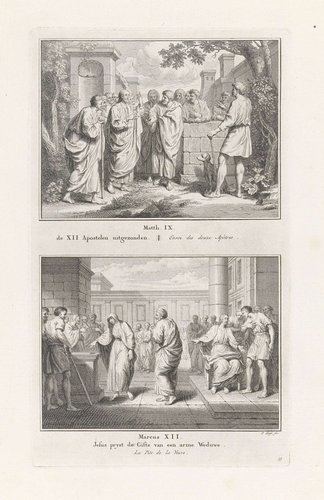
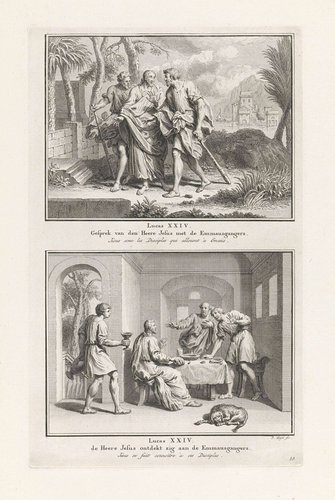
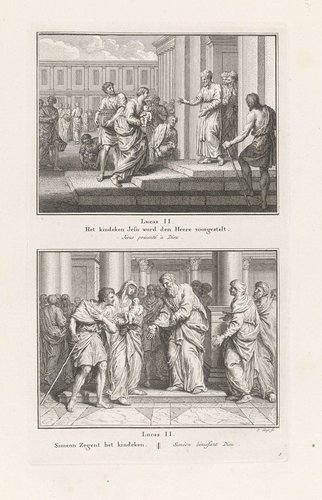
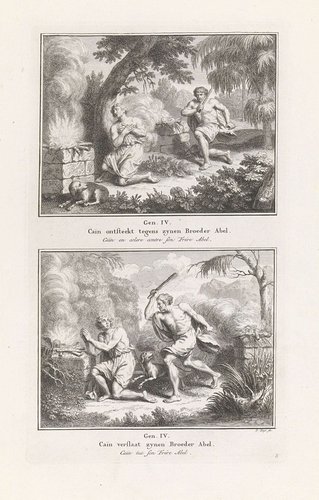
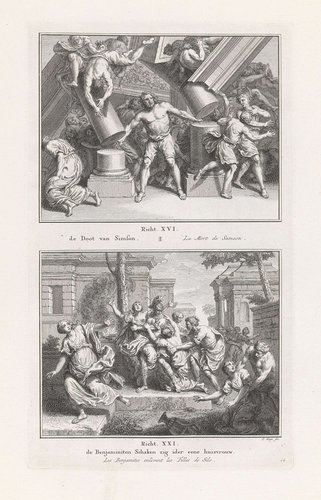
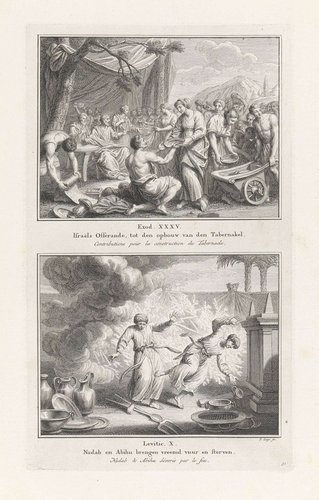
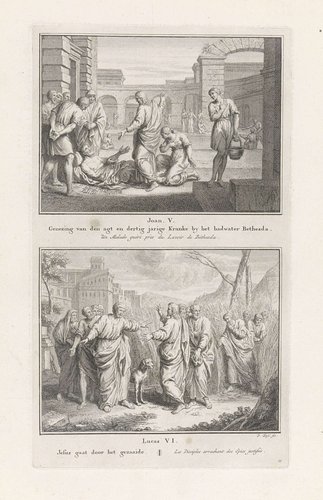
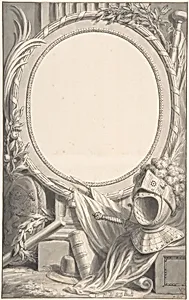
Tanjé became a prolific engraver of portraits, book illustrations, and reproductive prints after leading Dutch and European masters. He produced over one hundred plates for Johan van Gool’s 1750 publication *Nieuw Schouburg*, working primarily from portrait sketches by Aart Schouman. Other notable works include engravings after Cornelis Troost’s theatrical scenes, designs for ornamental frames, and contributions to collections such as the *Recueil d’estampes* after paintings in the Dresden royal gallery. He also created a self-portrait in 1760.
Tanjé died in Amsterdam in 1761. Though largely overlooked outside the Netherlands today, his extensive output—hundreds of prints preserved in major institutions including the National Gallery of Art, the Metropolitan Museum of Art, the Art Institute of Chicago, and the British Museum—attests to his importance as a skilled interpreter of eighteenth-century Dutch art. His work helped preserve and popularize the images of his contemporaries and predecessors for later generations.