Ctrl K
1729–1804
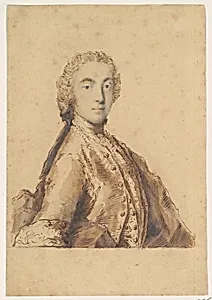
**Pietro Antonio Novelli (1729–1804)**
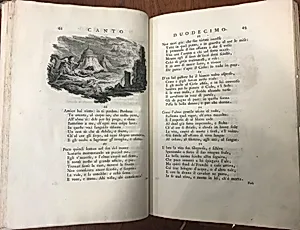
Pietro Antonio Novelli, a prolific Venetian painter, draughtsman, and engraver, trained under the esteemed Jacopo Amigoni and in the studio of Giambattista Pittoni, absorbing influences from Gaspare Diziani and Francesco Guardi. In 1768, he gained membership in the Accademia di Belle Arti di Venezia with his reception piece, *Allegory of the Arts*. Early in his career, Novelli produced notable altarpieces such as *Saint Joseph* for Santa Fosca in Venice (1759) and *Presentation in the Temple* for San Francesco in Rovigo (also 1759). He illustrated Torquato Tasso’s *Gerusalemme Liberata* (1760) and Carlo Goldoni’s *Commedie* (1761 and 1788), including his series of engravings *The Seven Sacraments* (1769). Commissions took him across northern Italy, where he frescoed palaces for families like the Corniani-Tivan, Mangilli, Mocenigo, and Sangiatoffetti in Venice, as well as sites in Udine, Padua, and Bologna.
Novelli’s style blended Venetian painterliness with Bolognese and Roman traditions, evolving through targeted study. In the early 1770s, he visited Bologna to examine the works of the Carracci and Guido Reni. By 1779, he relocated to Rome for over two decades, immersing himself in Raphael’s legacy and Roman Classicism as embodied by Anton Raphael Mengs, alongside Pompeo Batoni’s influence—evident in a 1772 mythological pendant painted for Catherine the Great. There, he executed a ceiling fresco of *Cupid and Psyche* for the Villa Borghese and decorated Roman palaces. Returning to Venice later, he created *Saints Jerome and Nicholas* as an altarpiece for Udine Cathedral (1791), *Holy Father with Saints* for San Lio (1779), and *Purification of the Virgin Mary* for San Geremia (1804).
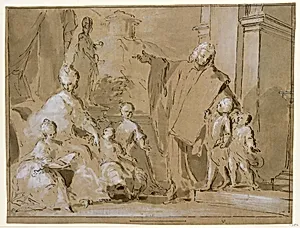
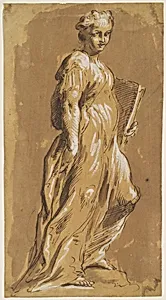
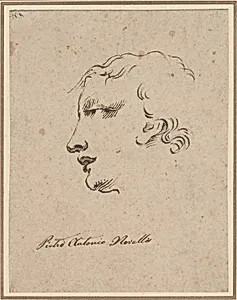
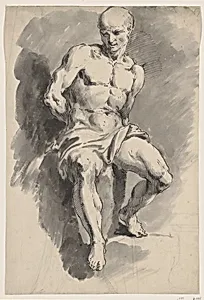
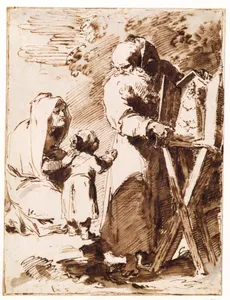
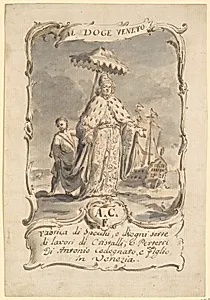
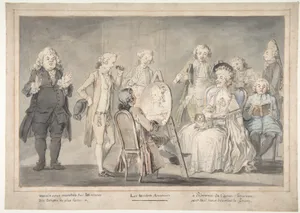
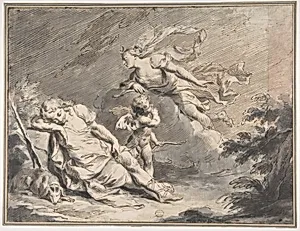
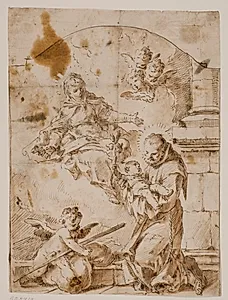
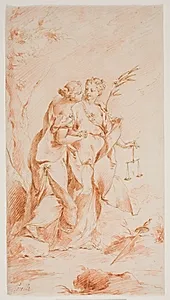
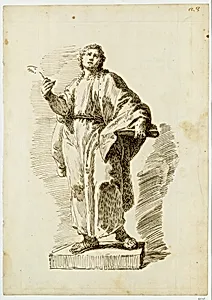
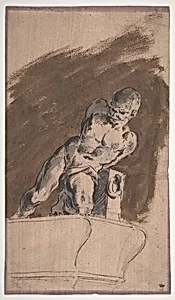
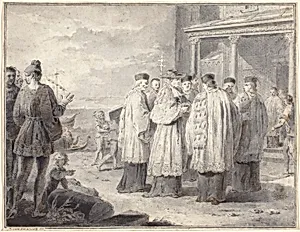
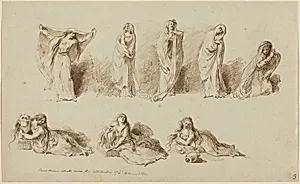
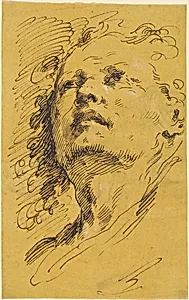
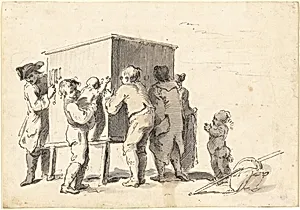
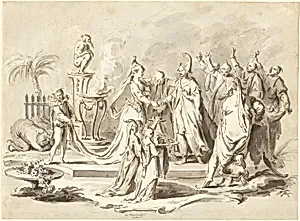
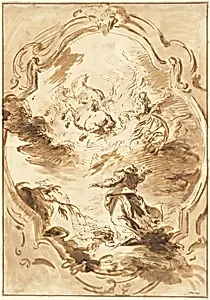
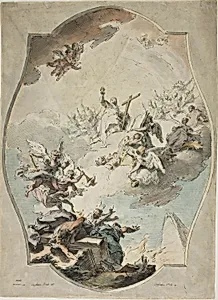
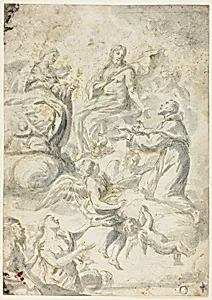
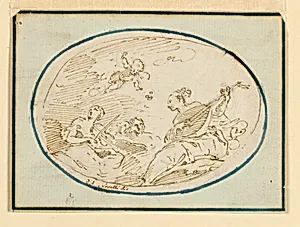
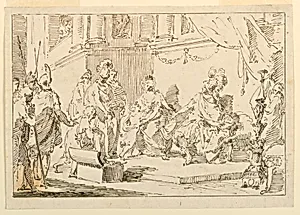
Renowned for his inventive drawings—showcasing fantasy in pen, ink, watercolor, and wash—Novelli’s oeuvre combined academic classicism with vivid imagination, earning comparisons to Palma Giovane. Collections like the Museo Correr, École des Beaux-Arts, Cooper-Hewitt, and Albertina hold significant holdings. His son, Francesco Novelli, became an engraver. Posthumously published memoirs (1834) outline his versatile career amid Venice’s fading republic, cementing his role in the transition from Rococo decoration to Neoclassicism.