
Ctrl K
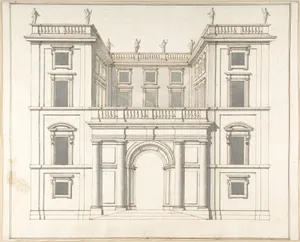
1710–1727
Pietro Paolo Coccetti, also recorded as Cocchetti, was an Italian artist whose career was brief by any measure — the dates associated with him span only the years 1710 to 1727, suggesting either a very short life or a period of documented activity that represents only a fraction of his actual career. He worked within the Italian tradition of the eighteenth century, a period of great vitality in the decorative and pictorial arts across the peninsula, and the works associated with his name reflect engagement with the conventions of his time and place.
The relative obscurity of Coccetti in the historical record makes a detailed reconstruction of his training and artistic development difficult. What can be said is that he appears to have worked in a milieu shaped by the decorative priorities and stylistic conventions of early eighteenth-century Italian art, a period when the legacy of the seventeenth-century Baroque was being absorbed and transformed into the lighter, more ornamental idiom that would eventually be called Rococo. His works suggest a practitioner of genuine competence working within these broader currents.
Given the limitations of the surviving documentation, scholars interested in Coccetti's contribution to Italian art must rely primarily on the works themselves — their technique, subject matter, and stylistic affiliations — to place him within the broader landscape of early eighteenth-century Italian painting and drawing. His is a career that invites further archival investigation, and it is possible that future research will recover a fuller picture of an artist whose modest place in current art-historical accounts may not do full justice to his actual achievement.
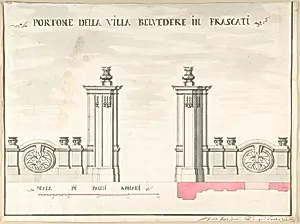
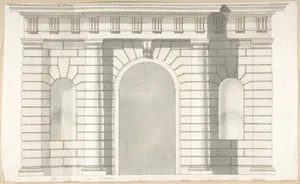
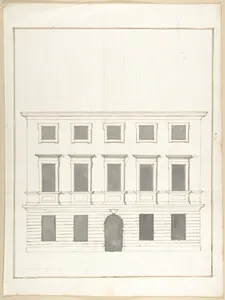
![Gate of the Villa Patritii [Patritj]](https://images.artheonmuseum.org/met/dp/thumb/gate-of-the-villa-patritii-patritj-344250.webp)
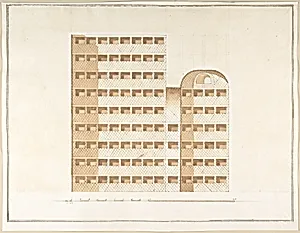
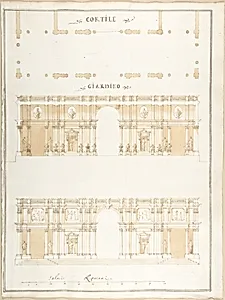
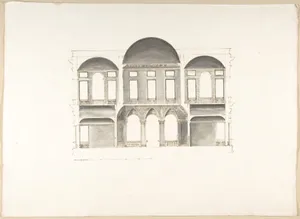
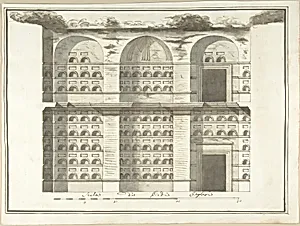
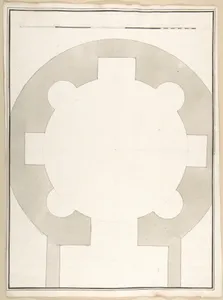
![Section of the Loggia in the Villa of Pope Julius [III.]](https://images.artheonmuseum.org/met/dp/thumb/section-of-the-loggia-in-the-villa-of-pope-julius-iii-344247.webp)
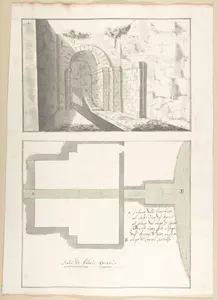
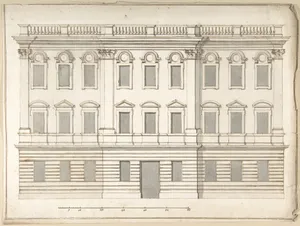
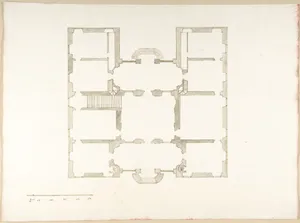
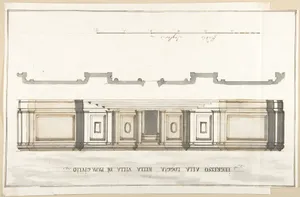
![Design of the Side Elevation for the Casino of the Villa Patritj [Patritii] at Porta Pia](https://images.artheonmuseum.org/met/dp/thumb/design-of-the-side-elevation-for-the-casino-of-the-villa-patritj-patritii-at-por-344251.webp)