1610–1692
Occupations
Pietro del Pò, born in Palermo in 1616 to Francesco Jacopo and Francesca lo Po, emerged as a prominent Baroque painter, engraver, and draughtsman, though he achieved greatest distinction through his etchings. Displaying prodigious talent from childhood, he began drawing and painting under the guidance of an unknown master in Palermo. By the 1640s, he studied with Giovanni Lanfranco between 1644 and 1646, serving as the artist's most useful assistant during Lanfranco's Roman sojourn and absorbing influences from contemporaries like Jusepe de Ribera, Francesco Vaccaro, Massimo Stanzione, and Charles Mellin. Married first to Maria Monforti in 1637, he relocated to Naples after her death in 1644, then to Rome in 1647 with his family, residing on Via Margutta from 1651 to 1652. He returned to Naples in 1683, save for a brief Palermo visit, and died there on 22 July 1692.
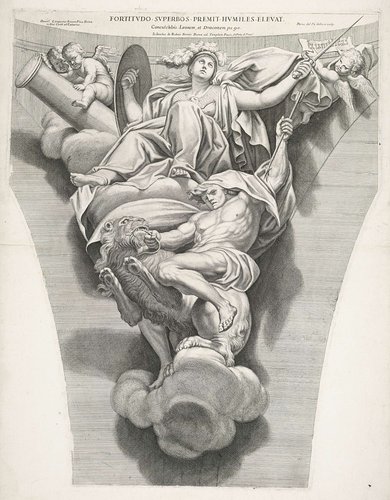
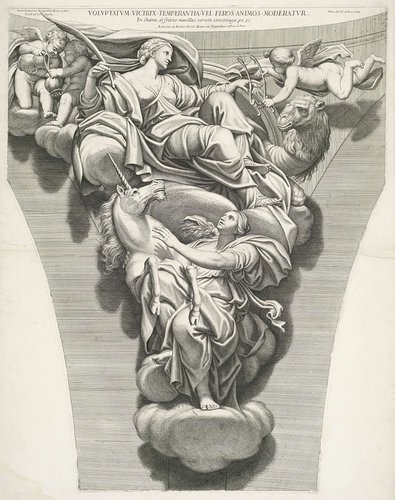
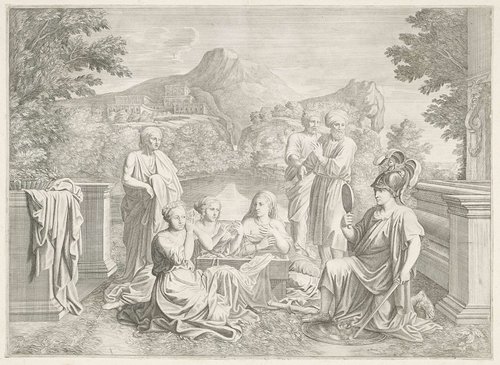
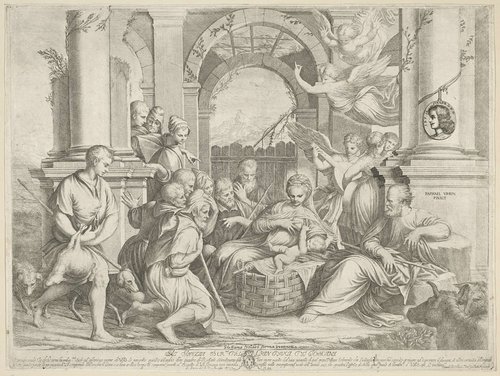
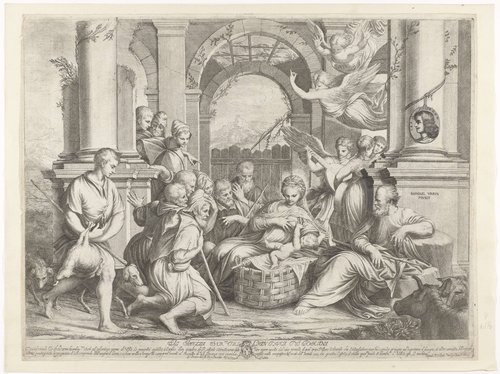
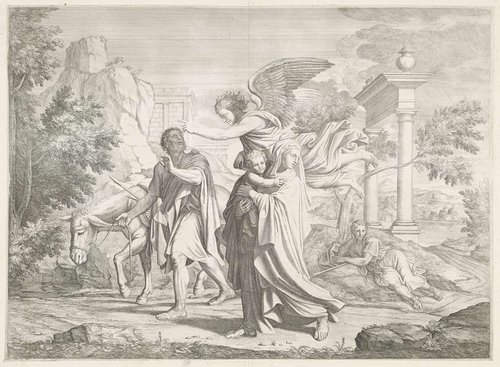
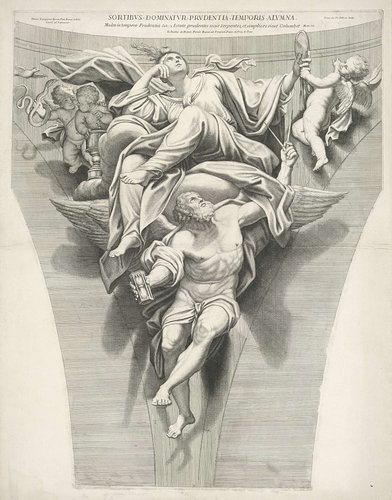
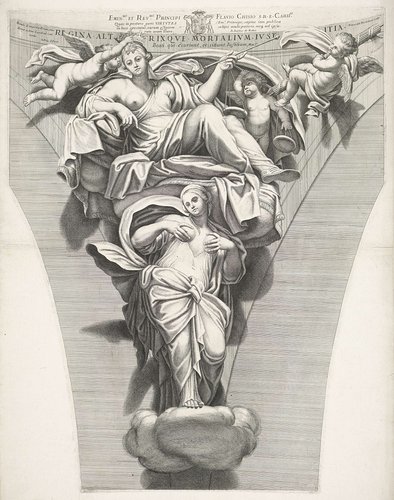
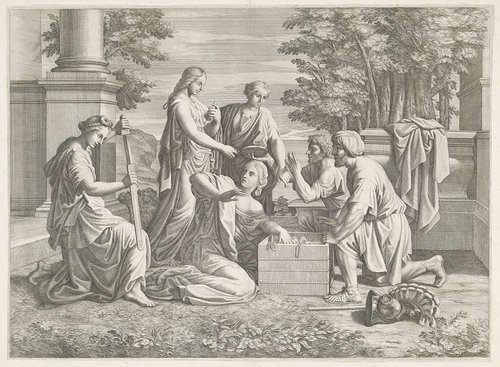
Del Pò worked in the classical tradition of Bolognese art, particularly Domenichino's style, evident in his compositions and female figures, while remaining aloof from emerging Roman Baroque dynamism. Primarily a reproductive engraver, he masterfully etched works after Annibale Carracci (such as *St. John in the Wilderness* and *Pietà*), Domenichino (*Virgin Seated on a Throne*, the four Cardinal Virtues), Nicolas Poussin (*Annunciation*, *Flight into Egypt*), and Lanfranco, favoring classical and religious themes; his prints circulated widely, even published in Paris. As a painter, he produced religious subjects, including sixteen copper panels on the Virgin's life, *Saint Leocadia*, *Saint Ildefonso*, and *The Virgin Adored by the Regents of Spain with Saints Michael and Santiago* for Toledo Cathedral; *The Crucifixion* among twelve Passion scenes in Naples; lost *Saint Leo* for Rome; and destroyed frescoes (*Resurrection*, *Pentecost*, *Assumption*) in Naples' Santa Barbara, Castel Nuovo. His *Apotheosis of the Virgin* graces Toledo Cathedral, while profane efforts like *Bacchanal: A Faun Teased by Children* and studies such as *Jupiter and Juno* for the *Furti di Giove* tapestries showcase his versatility.
Del Pò's second marriage to Porzia Campagna yielded artist children: daughter Teresa del Pò (b. 1649), an engraver and painter in the Accademia di San Luca, and son Giacomo del Pò (b. 1652), a noted painter and fellow academician. Though his pupils are sparsely noted beyond family—like engraver Pietro Aquila—his legacy endures through esteemed etchings patronized by Spanish diplomats and favorable scholarly assessments of his draftsmanship, bridging Sicilian, Neapolitan, and Roman schools while preserving classical rigor amid Baroque exuberance.
Wikidata (CC0); Getty ULAN (ODC-By)