Ctrl K
1822–1888
Occupations
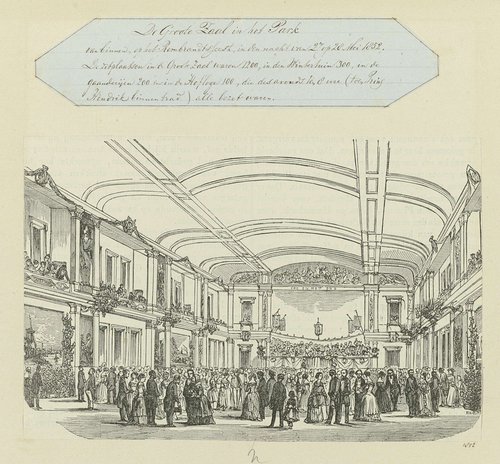
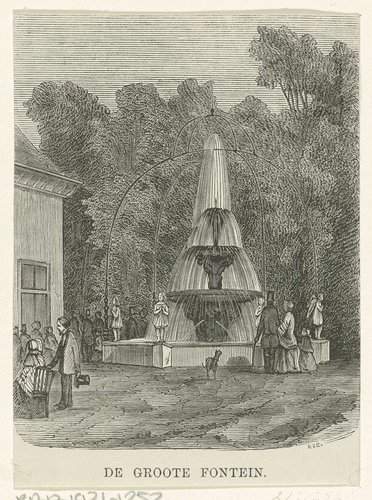
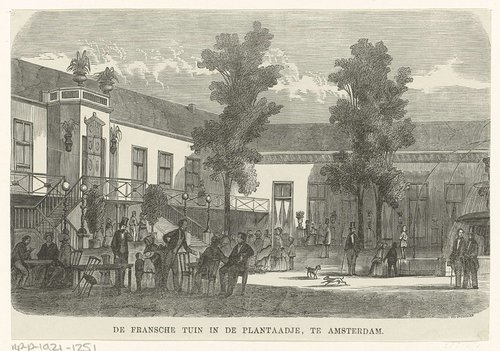
Popko van Groningen (1822-1888) was a Dutch wood engraver, painter, and art collector who contributed to the revival of wood engraving in the Netherlands during the nineteenth century. Born on April 15, 1822, in Deventer and dying on November 1, 1888, also in Deventer, van Groningen represents the type of versatile provincial artist who worked across multiple media while also engaging in art collecting and connoisseurship. Van Groningen received his training from R. J. van Arum and Benewort in Amsterdam around 1841-1843, and subsequently studied at the prestigious Rijksakademie in Amsterdam, receiving formal academic education. After his training, he worked in Amsterdam before later returning to his birthplace of Deventer. His artistic practice encompassed both wood engraving and painting, demonstrating the common nineteenth-century pattern of artists working in both fine and applied arts. The Rijksmuseum holds at least one of his wood engravings: a depiction of the fountain in the French garden at Park aan de Plantage Parklaan in Amsterdam, which demonstrates his skill in translating three-dimensional subjects into the linear language of wood engraving. Beyond his artistic production, van Groningen was also noted as an art collector, suggesting he had both the means and the connoisseurship to assemble a personal collection, a common practice among successful provincial artists of his generation.
Popko van Groningen was born on April 15, 1822, in Deventer, a historic city in the eastern Netherlands. Seeking artistic training, he moved to Amsterdam, the artistic capital of the Netherlands. Around 1841-1843, he studied under R. J. van Arum and Benewort, learning the techniques of wood engraving and painting. He subsequently attended the Rijksakademie in Amsterdam, one of the leading art academies in the Netherlands, receiving formal academic training in drawing and painting.
After completing his training, van Groningen worked in Amsterdam as both wood engraver and painter before later returning to Deventer. He specialized in wood engraving, a relief printing technique that was experiencing revival in the Netherlands during the mid-nineteenth century as publishers sought high-quality illustrations for books and periodicals. His wood engraving of the fountain in the French garden at Park aan de Plantage Parklaan in Amsterdam, now in the Rijksmuseum collection, demonstrates his ability to render architectural and landscape subjects with precision and clarity. He also worked as a painter, though fewer paintings are documented in public collections. Beyond his artistic production, van Groningen was noted as an art collector, assembling a personal collection that reflected his taste and connoisseurship. He died in Deventer on November 1, 1888, at age sixty-six, having contributed to Dutch wood engraving and provincial artistic culture for more than four decades.
Artheon Research Team
Last updated: 2025-11-09
Biography length: ~448 words
Wikidata (CC0)