Ctrl K
1817–1917
Occupations
Pompeo Pozzi (1817–1888), born in Milan on January 23, was a pioneering Italian artist whose legacy bridges painting and early photography. He studied at the prestigious Brera Academy of Art, honing skills that informed both his landscape paintings—often depicting alpine scenes and seascapes—and his architectural photography. Working from his Milan studio alongside family members, including his father, Luigi Valeriano Pozzi, Pozzi embraced photography in the 1850s, capturing the grandeur of Northern Italy's built environment at a time when the medium was revolutionizing visual documentation.
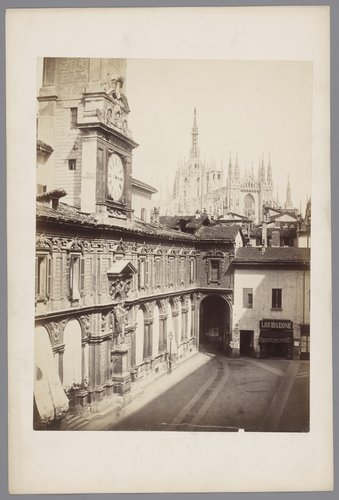
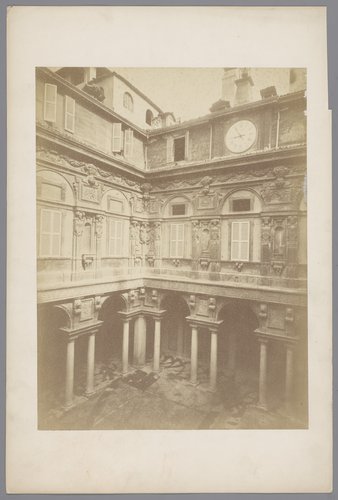
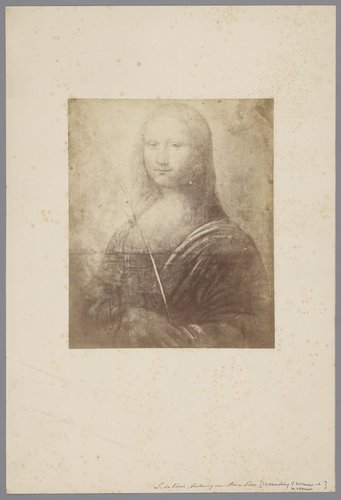
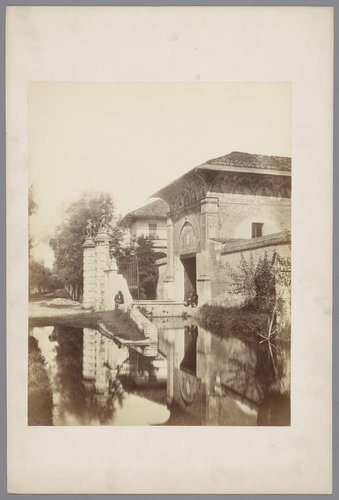
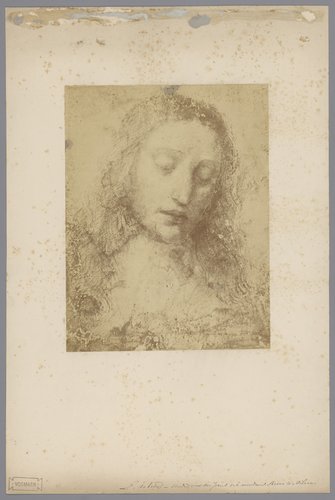
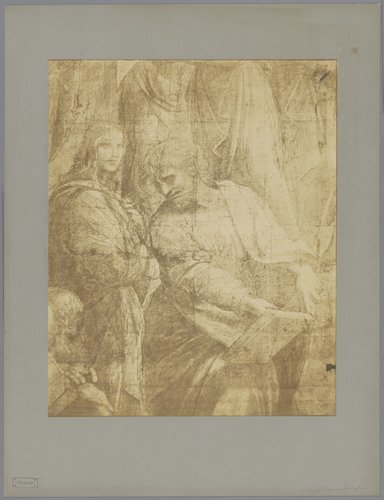
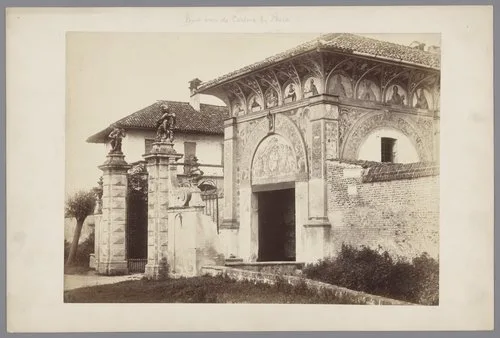
Pozzi's photographs masterfully rendered Lombardy’s architectural treasures, particularly in Milan and Bergamo. Iconic images include the soaring buttresses and pinnacles of Milan Cathedral (ca. 1857), the rear facade of Santa Maria delle Grazie, and the construction of Palazzo Haas—now part of the Galleria Vittorio Emanuele II—between 1870 and 1873. Venturing to Bergamo, he documented the Portal of Bergamo Cathedral (after 1850) and the ornate Cappella Colleoni facade (mid-19th century), using albumen prints to highlight intricate Gothic details and Renaissance splendor. Pozzi and his father also broke new ground by photographing masterpieces for artistic study, producing early reproductions of Leonardo da Vinci’s *Mona Lisa* and Paul Delaroche’s *The Young Martyr* in 1874.
In 1859, Pozzi partnered with photographer Luigi Sacchi to launch *L’Artista*, an influential magazine blending art criticism and photography from his Milan base, underscoring his role as a multifaceted art dealer and draughtsman. His oeuvre, now preserved in institutions like the Städel Museum, Bibliothèque Nationale de France, and Milan’s Castello Sforzesco, exemplifies the calotype and albumen era’s precision, preserving vanishing urban vistas and advancing art reproduction. Pozzi’s dual practice not only chronicled Italy’s transformation amid unification but also elevated photography from novelty to scholarly tool, influencing generations of visual historians.
Wikidata (CC0); Getty ULAN (ODC-By)
All 7 artworks loaded