
Ctrl K
950–1150
Qu Ding (ca. 1023–ca. 1056) was a Chinese painter active during the Northern Song dynasty. He learned the art of painting from Yan Wengui, a leading master of landscape known for his detailed and atmospheric depictions of nature. Working in the courtly tradition of the era, Qu Ding specialized in monumental landscape compositions that captured expansive vistas of mountains, rivers, and misty forests, emphasizing a sense of grandeur and harmony with the natural world.
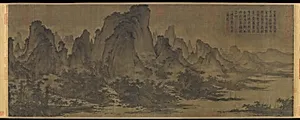
His most celebrated surviving work is the handscroll *Summer Mountains*, dated to around 1050 and now in the collection of the Metropolitan Museum of Art. Executed in ink and color on silk, the painting presents a sweeping panoramic view of towering peaks and winding paths, with travelers and temples nestled amid the terrain. The scroll bears the seal of Emperor Huizong, a renowned patron of the arts, suggesting that Qu Ding may have served as a court painter. This attribution underscores his place within the sophisticated artistic circles of the Northern Song imperial court.
Qu Ding’s approach aligned with the evolving Northern Song landscape tradition, which moved toward more naturalistic and immersive representations of the environment. Though few works by him are known today, *Summer Mountains* stands as a rare and influential example of early Song panoramic painting, admired for its compositional depth and evocative atmosphere. His legacy endures through this single masterpiece, which continues to shape understandings of Song dynasty aesthetics and has inspired later artists and scholars interested in the timeless qualities of Chinese landscape art.