Ctrl K
1913–1995
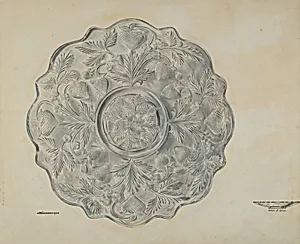
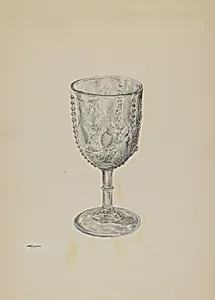
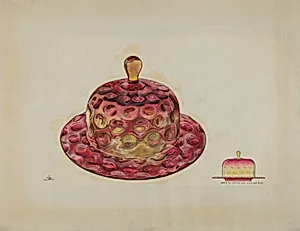
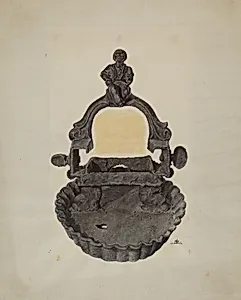
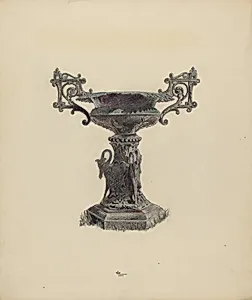
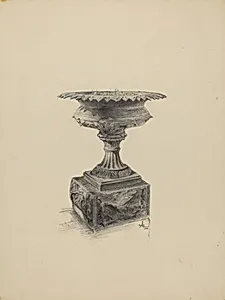
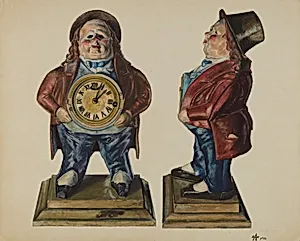
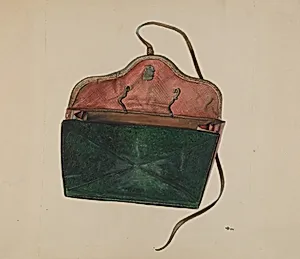
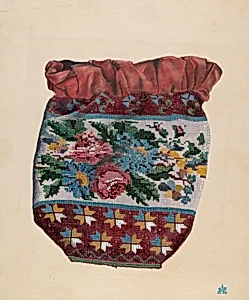
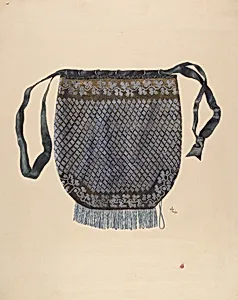
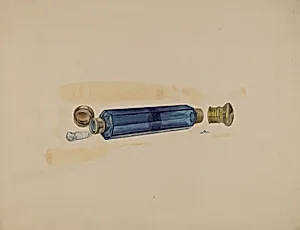
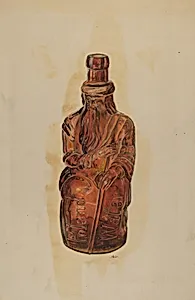
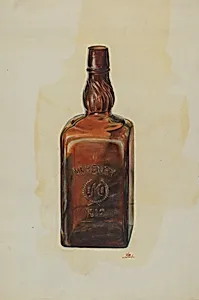
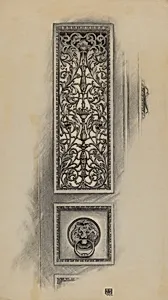
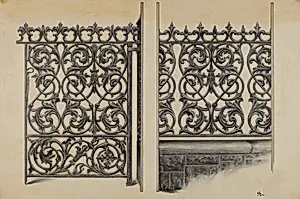
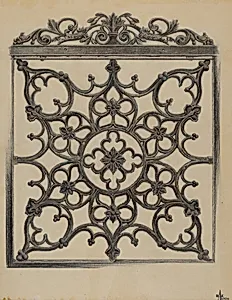
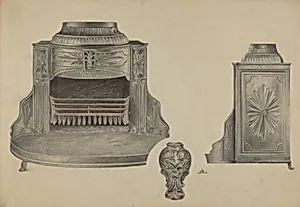
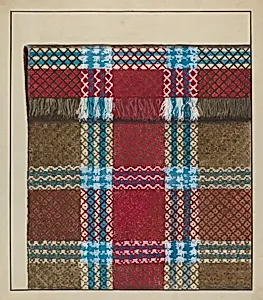
Ralph Atkinson (1913–1995) was an American artist whose precise and evocative watercolor renderings captured the essence of everyday American folk art objects during the Great Depression era. He is best known for his contributions to the Index of American Design, a monumental Works Progress Administration (WPA) project launched in 1935 that commissioned hundreds of artists to document the nation's vernacular decorative arts through detailed illustrations. Atkinson's 90 works in the National Gallery of Art's collection exemplify this effort, transforming humble household items into celebrated icons of cultural heritage.
Early life and artistic training for Atkinson are not well documented, with no records of specific teachers, art schools, or mentors emerging from historical sources. What is clear is his immersion in the Index of American Design tradition during the late 1930s, where he honed a hyper-realistic style emphasizing material textures, subtle color variations, and intricate details. Working primarily in watercolor, gouache, graphite, and occasional pen and ink on paper or paperboard, Atkinson rendered objects with scientific accuracy yet artistic flair, bridging fine art and ethnographic documentation. His approach aligned with the project's goal of elevating American folk traditions—from Shaker furniture to patterned quilts—amid economic hardship, reflecting a broader movement to affirm national identity through craft.
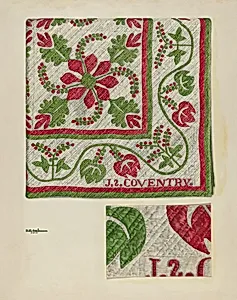
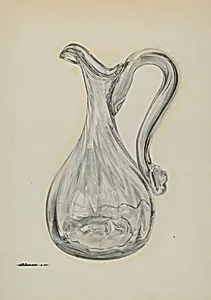
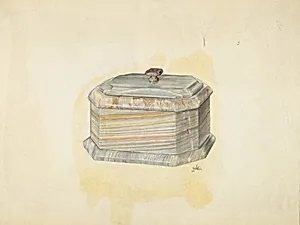
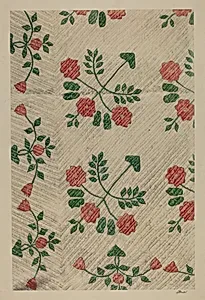
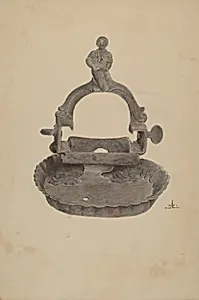
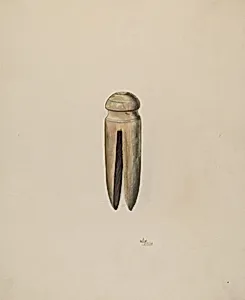
Among Atkinson's standout pieces are the *Vinegar Cruet* (c. 1939), a delicate glass vessel with its elegant spout and subtle sheen; the vibrant *Pepperberry Quilt* (c. 1939), showcasing bold textile patterns; the ornate *Jewel Casket* (1939); and the utilitarian *Foot Scraper* (1939). Earlier works like the *Clothes Pin* (c. 1938), *Churn* (c. 1937), and *Ruby Pitcher* (c. 1936) further highlight his range, from sculptural forms to colorful ceramics and glassware. These pieces, dated mostly between 1936 and 1939, demonstrate his mastery in evoking the tactile quality of objects drawn from museums, private collections, and historical sites.
Atkinson's legacy lies in his role as a preserver of vanishing American design, ensuring that the artistry of anonymous craftsmen endured in the public record. His illustrations, now digitized and widely accessible, continue to inform art historians, designers, and collectors, underscoring the aesthetic value of the commonplace. Through the Index, Atkinson helped forge a visual archive that celebrates regional ingenuity, influencing mid-20th-century appreciation for folk art and Americana.