Ctrl K
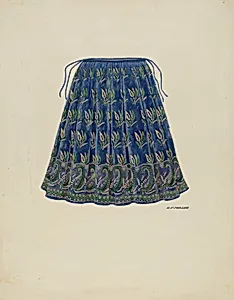
1855
Randolph F. Miller was an American artist active in the late 1930s and early 1940s who contributed work to the Index of American Design, the New Deal initiative that employed artists nationwide to document American decorative arts and material culture through precise watercolor renderings. Administered by the Federal Art Project, the Index assembled what became one of the most extensive pictorial archives of American craft and design heritage ever created, with works now housed in the collection of the National Gallery of Art in Washington, D.C.
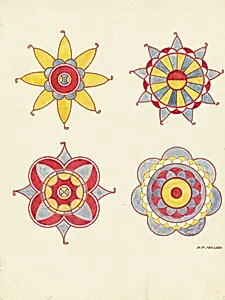
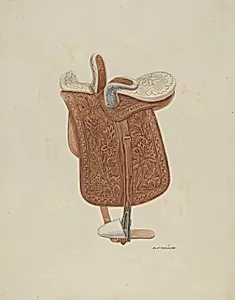
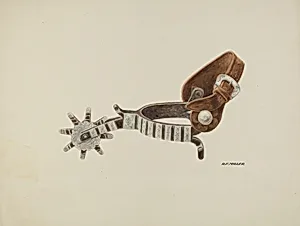
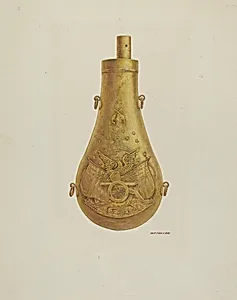
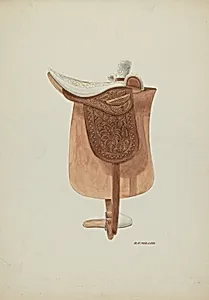
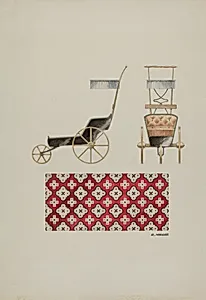
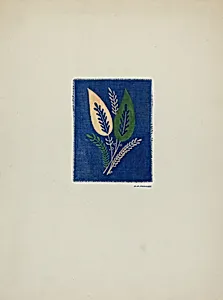
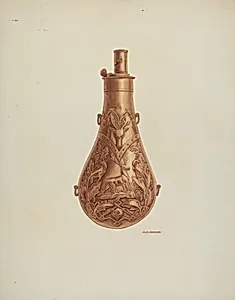
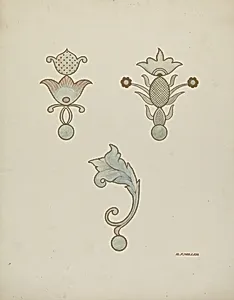
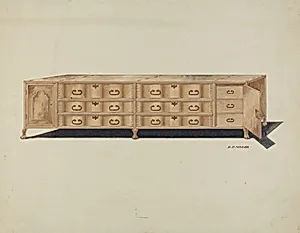
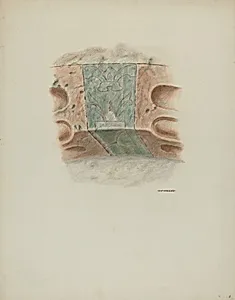
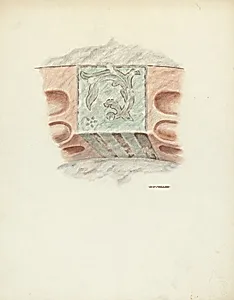
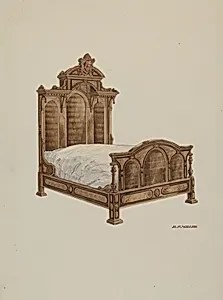
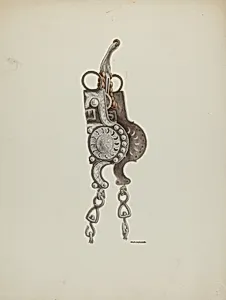
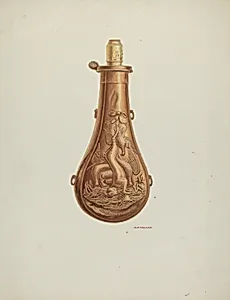
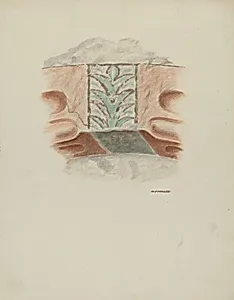
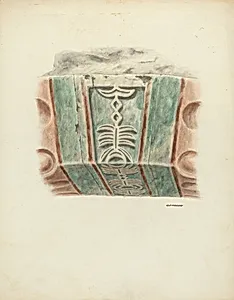
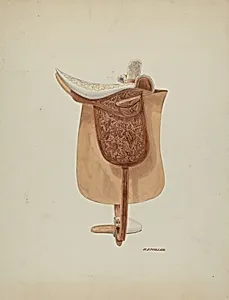
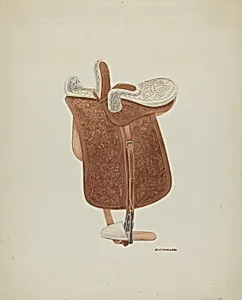
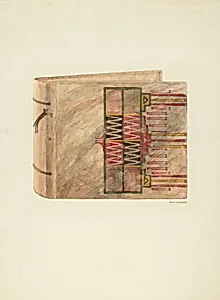
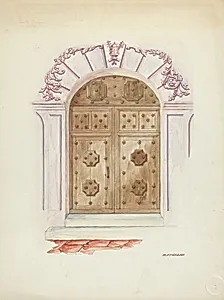
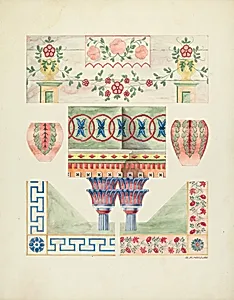
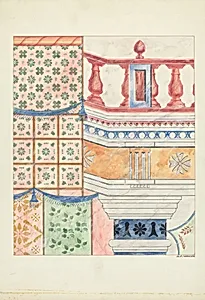
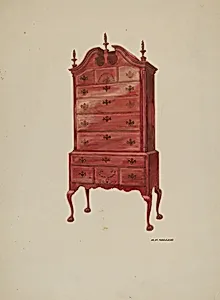
Miller's contributions to the Index encompass a range of subjects reflecting the project's broad documentary mission. His works include detailed renderings of architectural decoration, ecclesiastical furnishings such as reredos and vestment cabinets, ceiling and wall decorations, and objects from everyday American material culture including saddles, powder flasks, and decorative furniture elements. These were produced in watercolor, colored pencil, pen and ink, and graphite—the mixed media approach typical of Index artists working to capture the precise visual and material character of their subjects.
The Index of American Design was one of the most ambitious visual documentation projects in American history, and the artists who contributed to it brought careful observational skill to subjects that ranged from grand architectural schemes to humble domestic objects. Miller's work on ecclesiastical decorative programs and material objects reflects the project's interest in the full spectrum of American craft traditions, from the formal arts of religious institution to the vernacular crafts of everyday life.
Detailed biographical information about Miller beyond his participation in the Index of American Design has not been widely documented. His surviving works in the National Gallery of Art collection provide the primary record of his contribution to this significant chapter in American cultural history.