Ctrl K
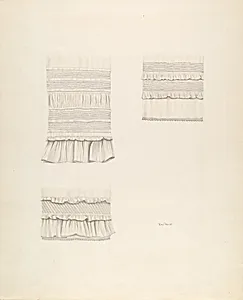
1855
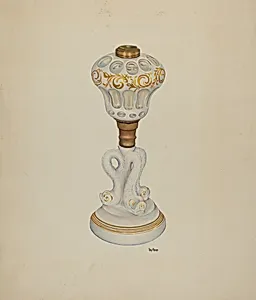
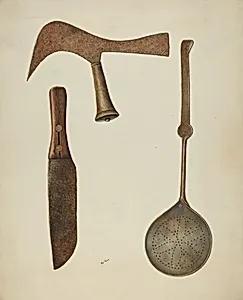
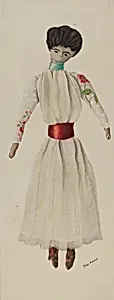
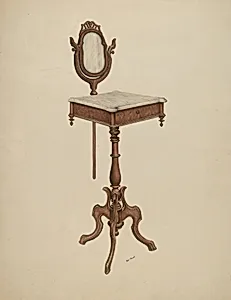
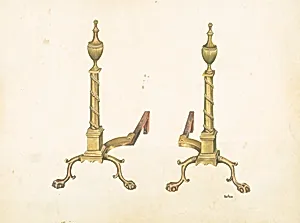
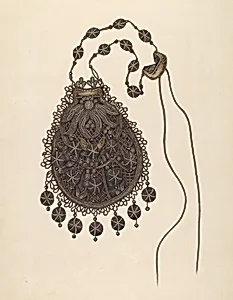
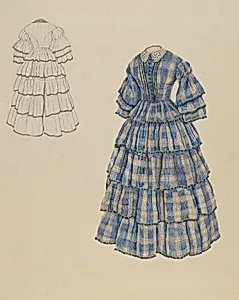
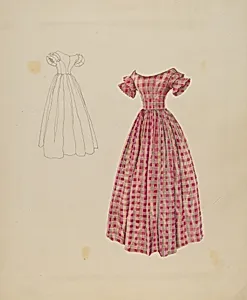
Ray Price was an American artist active around 1935, renowned for his meticulous watercolor renderings of everyday American objects and crafts. His oeuvre, comprising 88 works held in the National Gallery of Art collection, captures the functional beauty of vernacular items from the late 1930s through the late 1940s. Little is known about Price's early life or formal training, as biographical details remain sparsely documented. What survives of his career highlights a focused practice on precise, detailed depictions that preserve the textures and forms of historical tools, household goods, and decorative elements.
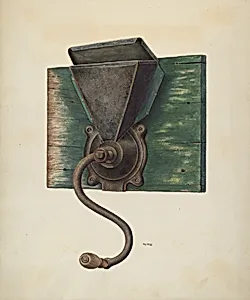
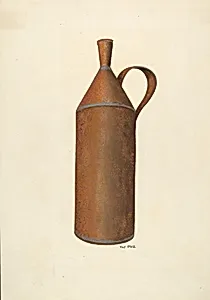
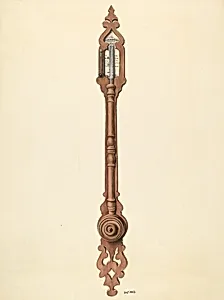
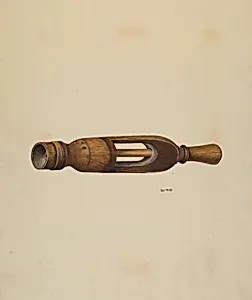
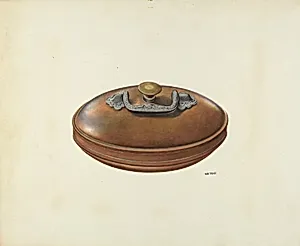
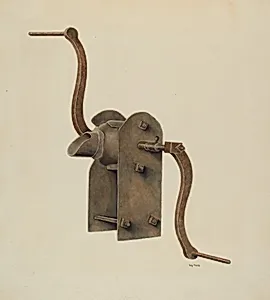
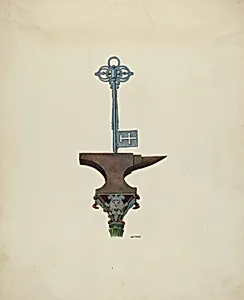
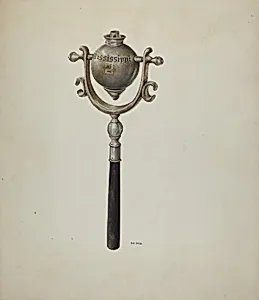
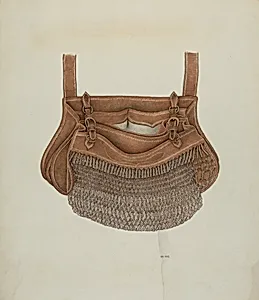
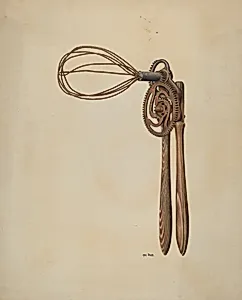
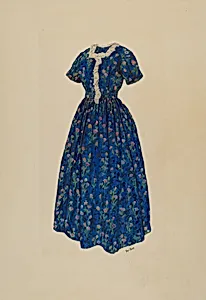
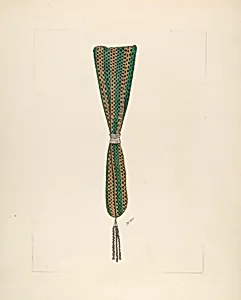
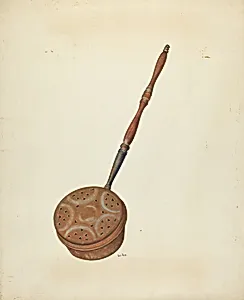
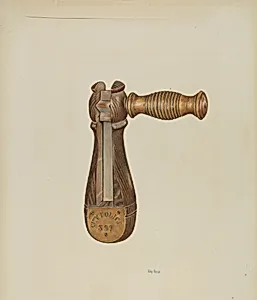
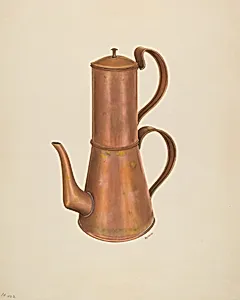
Price's artistic style is characterized by a realistic approach, employing watercolor, graphite, pen and ink, and occasional gouache or colored pencil on paper. His subjects often include utilitarian objects such as the *Coffee Mill* (c. 1948), *Hand Bottle Corker* (c. 1940), *Mercury Barometer* (c. 1940), and *Physician's Saddle Bag* (c. 1939), alongside wrought ironwork like *Decorative Ironwork & Locksmith Sign* (c. 1939) and early pieces such as *Dress* (c. 1938) and *Coffee Pot* (c. 1938). These works emphasize fine craftsmanship, from cake batter mixers and bed warmers to torches and metal grits grinders, rendered with technical accuracy that highlights material qualities and subtle wear. Themes of domesticity, industry, and ornamentation recur, reflecting a mid-20th-century interest in America's material heritage.
Though not affiliated with a specific school or movement in available records, Price's output aligns with efforts to document everyday design during the Great Depression era. His legacy endures through the National Gallery of Art's extensive holdings, where his illustrations serve as visual archives of overlooked artifacts. By immortalizing these humble objects, Price contributed to a broader appreciation of American folk art and industrial aesthetics, offering modern viewers insight into the tactile world of prewar life.