Ctrl K
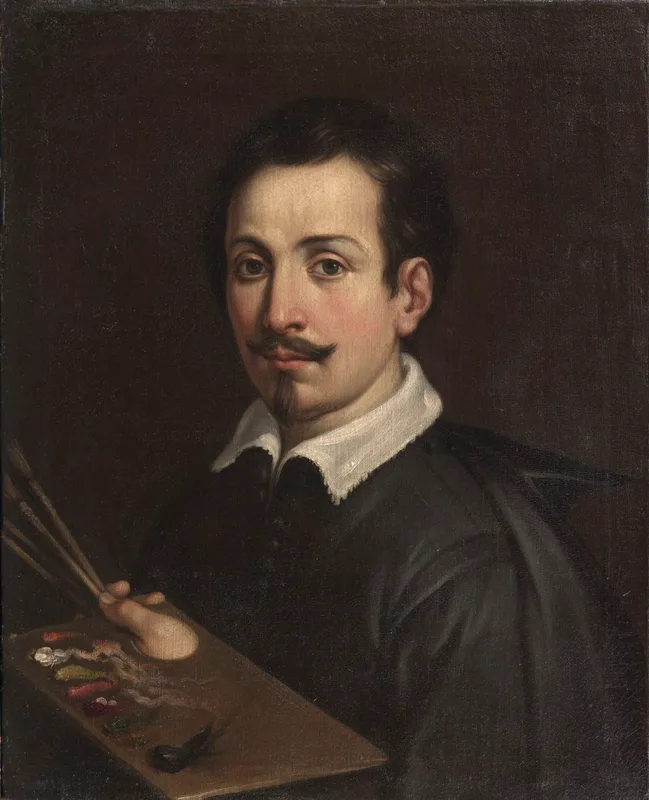
1575–1642
Movements
Occupations
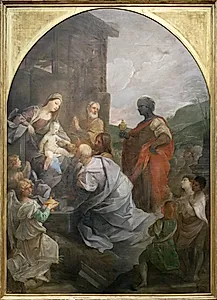
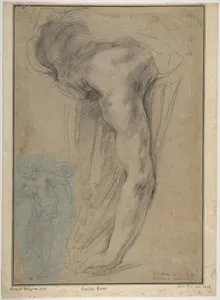
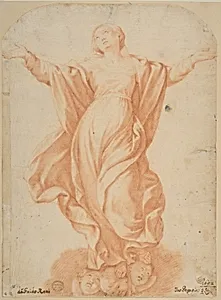
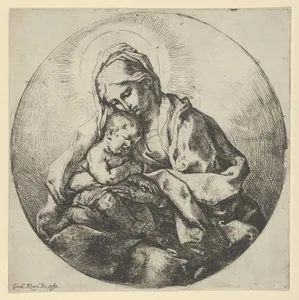
Guido Reni (1575–1642) was one of the most celebrated Italian painters of the Baroque era and the dominant figure of the Bolognese School. Born into a family of musicians in Bologna, he trained first with Denys Calvaert before joining the influential Accademia degli Incamminati led by Ludovico Carracci. Reni achieved international fame through his idealizing style that combined Baroque dynamism with classical harmony, drawing inspiration from Raphael and ancient Greek sculpture. His luminous palette, serene compositions, and idealized figures made him the most sought-after painter in Italy during his lifetime. Working in Rome, Naples, and Bologna, he produced religious masterpieces including the celebrated ceiling fresco 'Aurora' (1613–14) for the Casino Rospigliosi. Through his vast studio of nearly 200 pupils, Reni influenced generations of Baroque artists across Italy, Spain, and France.
Born on 4 November 1575 in Bologna, the only child of musicians Daniele Reni and Ginevra Pozzi.
Apprenticed at age 9 to the studio of Dutch-born painter Denys Calvaert in Bologna, where he trained alongside future colleagues Francesco Albani and Domenichino.
Around 1595, at approximately age 20, migrated with Albani and Domenichino to the rival Accademia degli Incamminati led by Ludovico Carracci.
Absorbed the Carracci's innovative approach combining naturalistic observation with study of High Renaissance and classical art.
Moved to Rome by late 1601 with Albani to work under Annibale Carracci on the Farnese Palace fresco decorations.
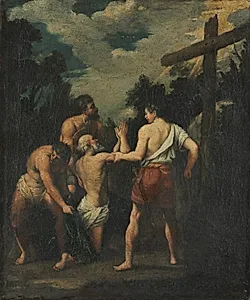
Received first major independent commission in 1604–05 for the 'Crucifixion of St. Peter' altarpiece, establishing his reputation.
Became one of the most patronized painters during the papacy of Pope Paul V (1605–1621), enjoying extensive Borghese family support between 1607–1614.
Created his masterpiece ceiling fresco 'Aurora' (1613–14) for the Casino Rospigliosi, establishing his reputation for classical beauty and luminous color.
Returned to Bologna where he established two large studios in the city center, training nearly 200 pupils.
Became the most famous Italian artist of his generation, commanding prestigious commissions throughout Italy.
Developed his signature style combining idealized beauty, studied softness of color and form, with serene classical compositions.
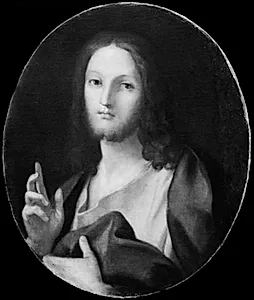
Produced major altarpieces and devotional paintings that spread his influence through his extensive workshop.
Evolved his technique in later years toward lighter tones, softer colors, and extremely free brushwork.
Continued producing works despite reported struggles with gambling debts that complicated his final years.
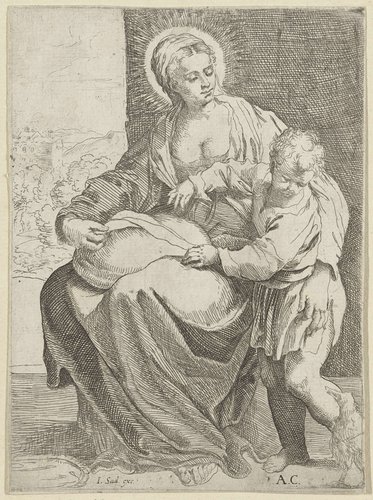
Maintained influence on European painting through his many pupils and the wide circulation of prints after his compositions.
Died on 18 August 1642 in Bologna; buried in the Rosary Chapel of the Basilica of San Domenico.
Artheon Research Team
Last updated: 2025-11-28
Biography length: ~820 words
Wikidata/Wikimedia Commons