Ctrl K
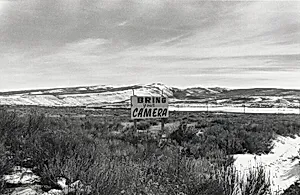
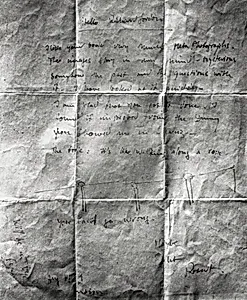
Richard Gordon (1945–2012) was a self-taught American photographer born in Chicago, Illinois. He studied political science at the University of Chicago from 1963 to 1967 but discovered photography in 1965 while working at a local studio.) Early in his career, Robert Frank critiqued his work, praising his passion for the medium, and Gordon frequently paid homage to influences like Eugène Atget, Walker Evans, Robert Frank, and Helen Levitt. After traversing America in the late 1960s and 1970s, he settled in Berkeley, California, where he produced handmade artist books under his Chimaera Press imprint and taught part-time at institutions including City College of San Francisco and Stanford University Continuing Studies.)
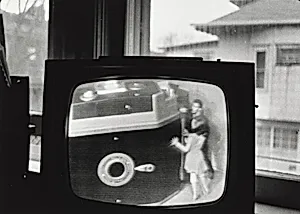
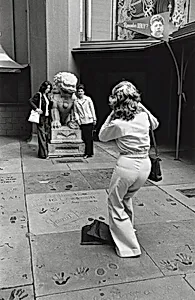
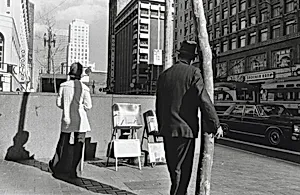
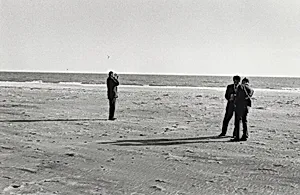
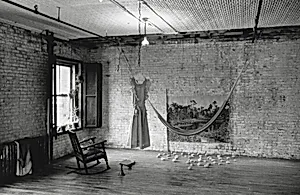
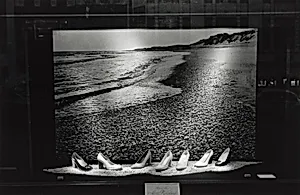
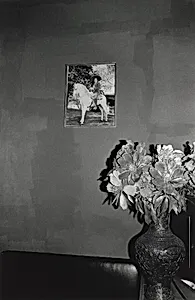
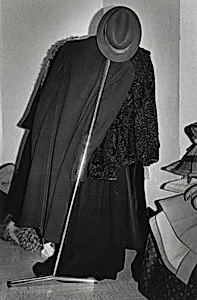
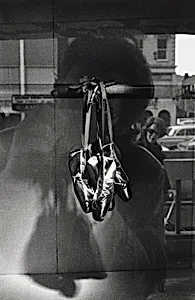
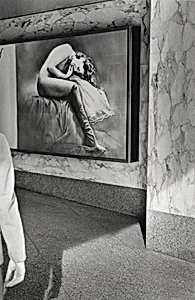
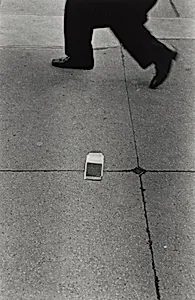
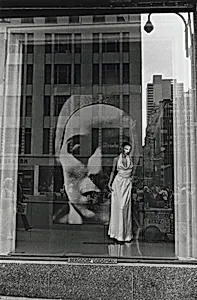
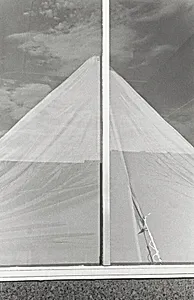
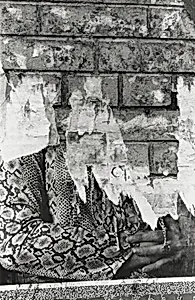
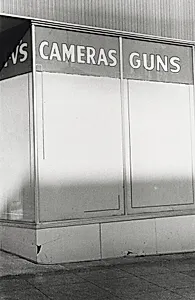
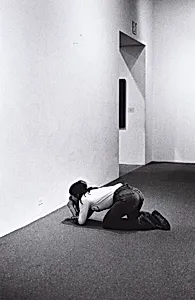
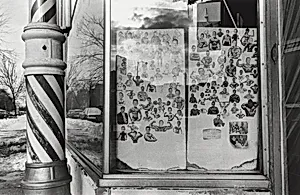
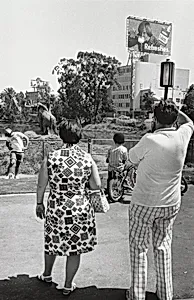
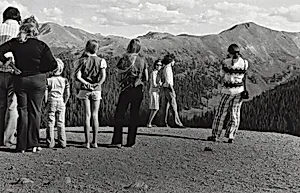
Gordon worked in the street photography tradition, capturing black-and-white images with a deadpan wit and dry humor that wryly documented everyday American life—from boardwalks and birthday parties to political rallies and surveillance culture.) His conceptually striking photographs subverted photojournalism's conventions, probing photography's role in representation, the interplay of observation and electronic scrutiny, and the exotic ambiguities in mundane scenes. Notable early series from 1973–1978 include *Leadville, Colorado*, *Atlantic City Boardwalk*, *Giant Camera, Atlantic City*, and *Child's Birthday Party, Atlantic City*, many printed in 1994.
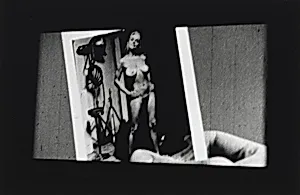
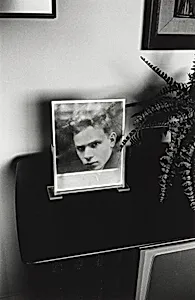
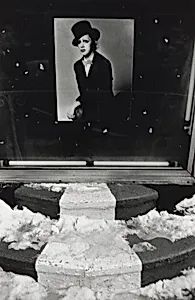
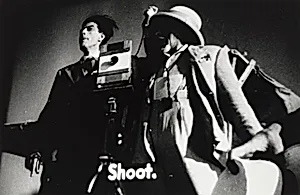
Key publications encompass *Meta Photographs* (1978), which explored images mimicking reality; *American Surveillance* (2009), delving into watching and being watched; *One More for the Road* (1996); *Jessie Reads a Book* (2011); and *Notes From the Field* (2012).) His work appeared in solo shows like the Thomas Welton Stanford Art Gallery (2012) and group exhibitions at the Santa Barbara Museum of Art and Robert Koch Gallery. Recipient of a 1982 National Endowment for the Arts Fellowship, Gordon's photographs grace permanent collections such as the National Gallery of Art (48 prints), San Francisco Museum of Modern Art, J. Paul Getty Museum, and Library of Congress.)
Gordon's legacy endures in his masterful prints and incisive commentary on visual culture, reminding viewers of photography's power to reveal the quirky truths beneath the surface of American life. Until his death from pancreatic cancer in 2012, he continued challenging perceptions through his idiosyncratic lens.)