Ctrl K
Richard Ross is an American photographer and educator whose work has engaged deeply with questions of institutional power, childhood, and the built environments that shape human lives. Based in Santa Barbara, California, he has been a professor of art at the University of California, Santa Barbara for many years, combining an active exhibition career with a sustained commitment to teaching. His photographs are held in numerous public and private collections across the United States and internationally.
Ross first gained significant critical attention with his long-term project documenting natural history museums, planetariums, aquariums, and other institutions of knowledge and display. These images — often made after hours, in empty galleries and dioramas — explore the ways in which such institutions construct and present scientific and cultural authority. The photographs have a haunting, theatrical quality, the elaborate stage sets of museum dioramas emptied of their usual audiences and revealed as elaborate fictions.
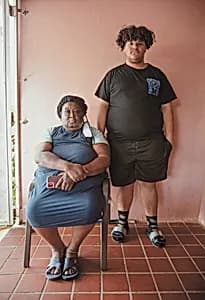
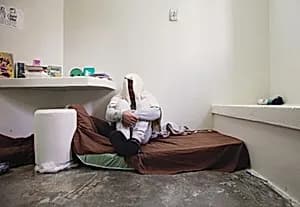
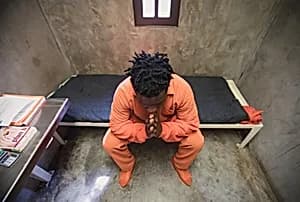
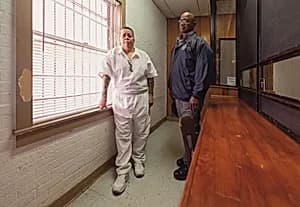
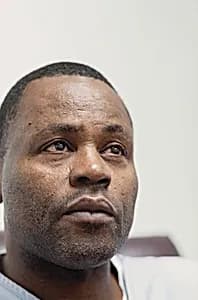
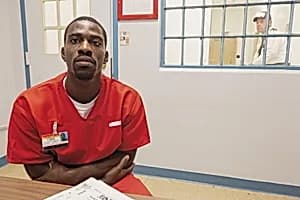
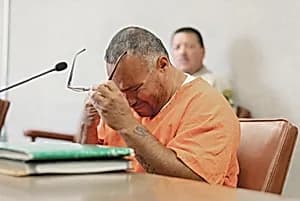
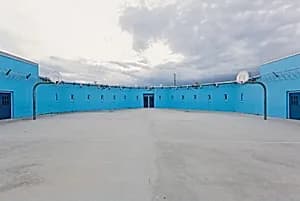
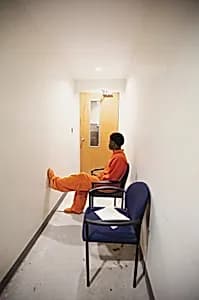
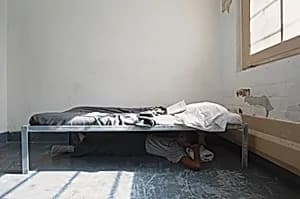
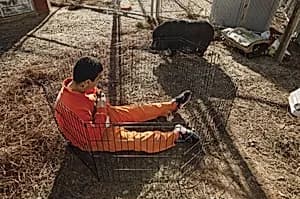
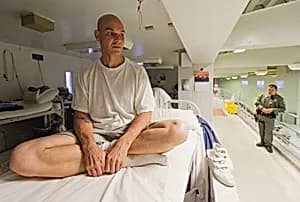
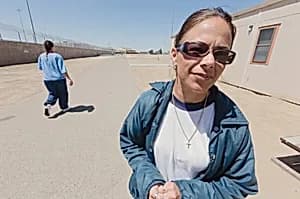
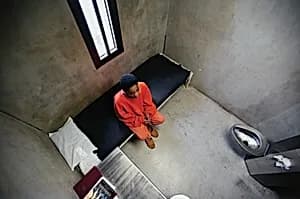
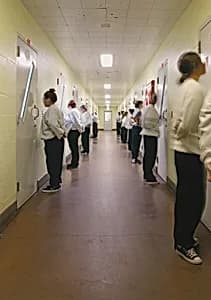
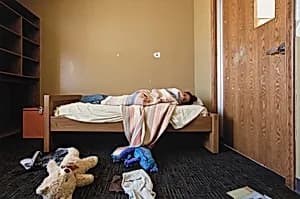
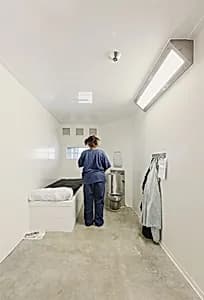
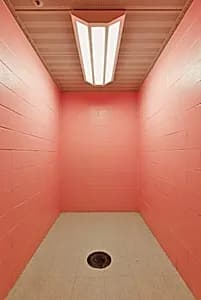
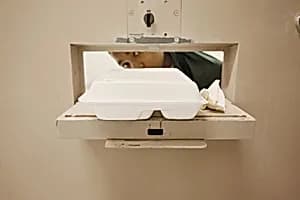
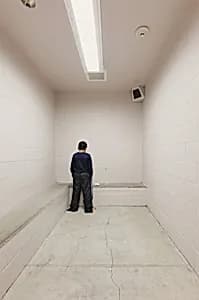
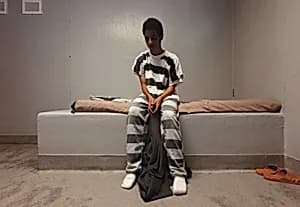
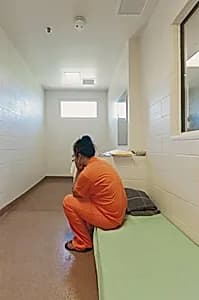
His most celebrated and socially urgent body of work, produced over many years, is the project Juvenile in Justice, in which he gained unprecedented access to juvenile detention facilities across the United States to photograph the young people held within them. These photographs, published as a book and exhibited widely, bear witness to the realities of youth incarceration with restraint and respect for his subjects' dignity. The project has had a measurable impact on public discourse and policy discussions around juvenile justice in America.
Ross's work consistently demonstrates a photographer's capacity to illuminate systems and spaces that are ordinarily hidden from public view. Working methodically and with careful attention to the relationship between space and human experience, he has built a body of work that is both visually compelling and socially consequential. His career exemplifies photography's capacity to function simultaneously as fine art, documentary practice, and social advocacy.