Ctrl K
1867–1890
**Richards & Hartley Flint Glass Co.**
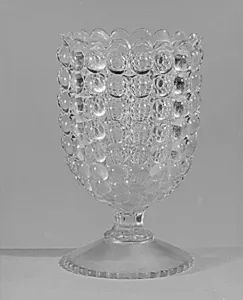
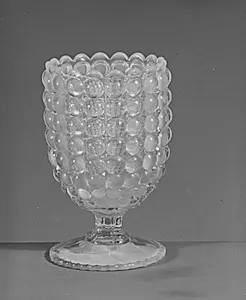
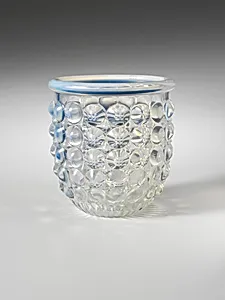
Nestled in the heart of Pittsburgh's thriving flint glass industry, Richards & Hartley Flint Glass Co. was established in 1865 as a partnership producing pressed tableware. Founded by Joseph Richards, William T. Hartley, and John Wilson, the firm leased property on Locust Street near Pride Street, capitalizing on the region's abundant natural gas and skilled workforce to create affordable, decorative glass for American households. Operating initially as a flint glass manufacturer from 1865 to 1884, the company specialized in Early American Pattern Glass (EAPG), crafting items like tumblers, compotes, and celery vases with intricate motifs that reflected Victorian tastes for ornate yet practical designs.
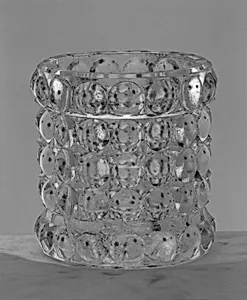
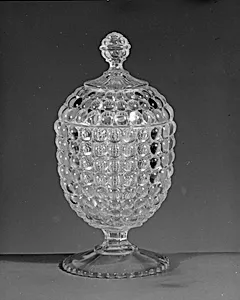
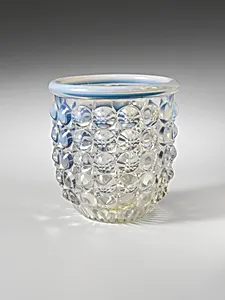
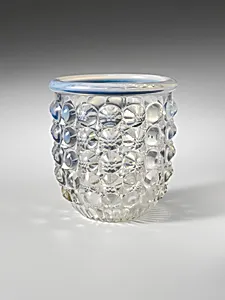
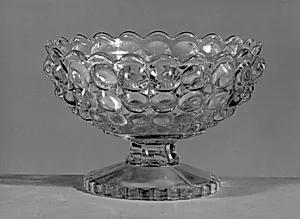
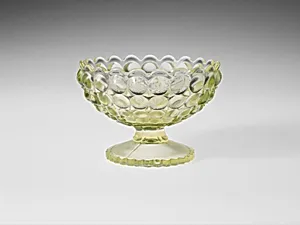
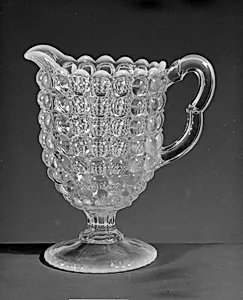
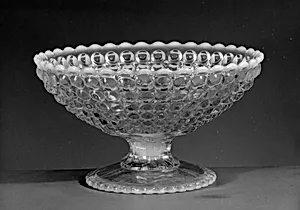
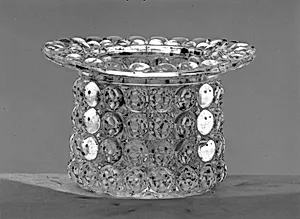
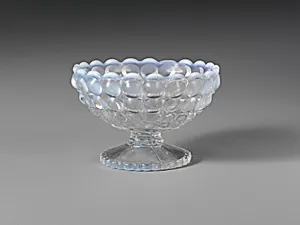
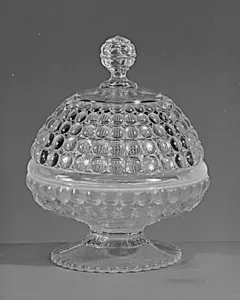
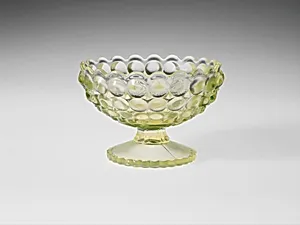
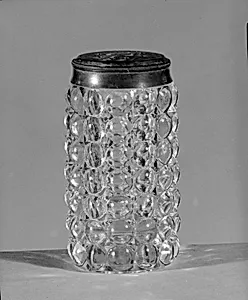
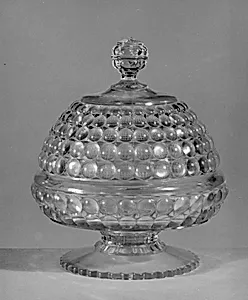
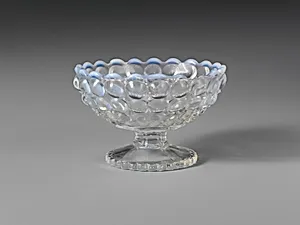
In 1883, seeking expansion, the partners relocated the factory 22 miles northeast to Tarentum along the Allegheny River, where they discovered natural gas on the property, fueling the new plant that opened in October 1884. The Pittsburgh facility was auctioned off, and the company rebranded as Richards & Hartley Glass Company, shifting to non-flint glass production. This era marked their peak creativity, with numbered patterns like No. 103 "Thousand Eye" (also known as Daisy), seen in a ca. 1888 opalescent compote at the Metropolitan Museum of Art; No. 544 Fanchon (Block and Fan, introduced 1888); No. 500 "Cupid & Venus"; and others such as Zipper, Three Panel (1885), and Block & Fan. These pressed pieces, often marked "R&H," featured bold geometric, floral, and figural designs in clear, opalescent, or colored glass, embodying the Pittsburgh flint glass tradition of mass-produced elegance.
Facing industry pressures like rising costs, labor strikes, and market saturation in the 1890s, Richards & Hartley joined the United States Glass Company trust in 1891 as Factory E in Tarentum. The plant struggled with ongoing issues and closed in 1893, with assets sold in 1894. Today, the company's legacy endures in museum collections—the Met holds tumblers and celery vases from ca. 1888, the V&A features six pieces from 1870-1879, and Wikimedia Commons catalogs 45 examples—celebrating their role in democratizing beauty through EAPG. Collectors prize patterns like Thousand Eye and Fanchon for their whimsy and craftsmanship, a testament to Tarentum's brief but brilliant glassmaking chapter.