Ctrl K

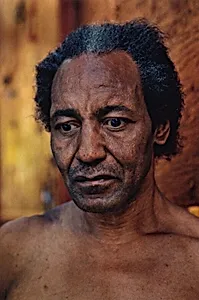
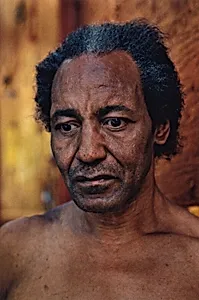
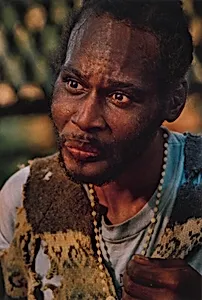
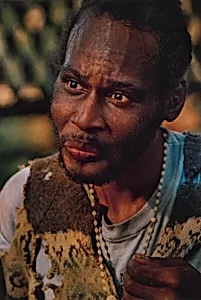
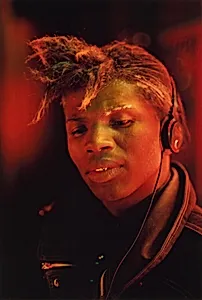
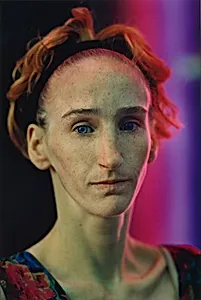
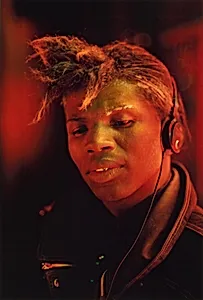
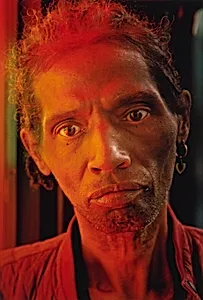
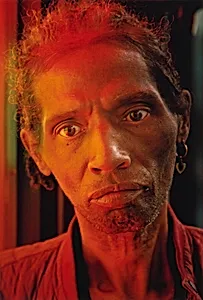
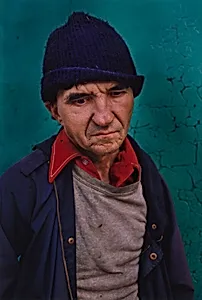
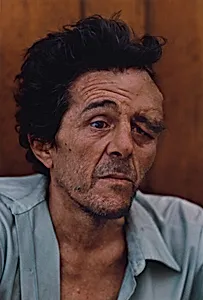
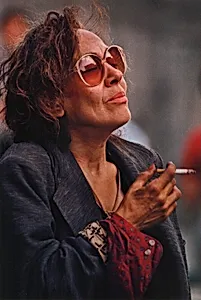
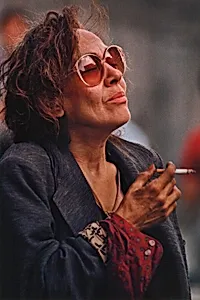
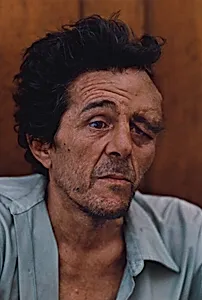
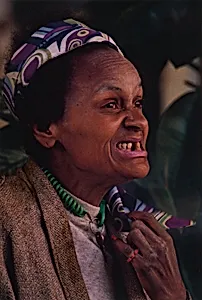
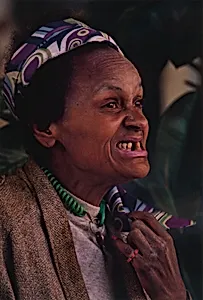
Robert Bergman, born in Orleans in 1944, emerged as one of America's most profound portrait photographers through a deeply personal, self-directed path. His early life remains sparsely documented, but he began experimenting with photography as a child and committed seriously to the medium in his early twenties during the mid-1960s, initially capturing black-and-white street scenes. Without formal art school training or named mentors, Bergman honed his vision outside the mainstream art world, traveling American cities with a simple handheld 35mm camera to document the quiet dignity of everyday people. By 1985, he shifted to color film, producing the intimate portraits that define his oeuvre—large-scale images made between 1985 and 1997, often of strangers encountered spontaneously on urban streets.
Bergman's style fuses classical portraiture traditions with documentary grit, evoking the painterly richness of Old Masters like Velázquez, Rembrandt, and Vermeer through saturated, luminous colors and tight framing on faces and shoulders. He avoids captions, types, or social commentary, instead revealing raw psychic states—curiosity, resilience, fear—in anonymous subjects illuminated by natural or neon light, creating a "democracy of universal vulnerability." This transcendent approach draws parallels to photographers like Diane Arbus, Robert Frank, and William Eggleston, yet stands apart in its meditative empathy and rejection of voyeurism or aestheticized suffering.
His breakthrough came late with the 1998 book *A Kind of Rapture* (Pantheon), featuring 51-52 color portraits from his core series (1986-1995), introduced by Toni Morrison and with an afterword by Meyer Schapiro. Major exhibitions followed in 2009-2010 at the National Gallery of Art, MoMA PS1, Minneapolis Institute of Art, and others, cementing his reputation; works now grace collections including MoMA, the National Gallery, Cleveland Museum of Art, and the Hill Art Foundation, which hosted a landmark show in 2026. Today, from bases in Minneapolis and New York, Bergman continues printing limited editions, including early black-and-white street work and abstracts.
Bergman's legacy lies in elevating the overlooked to the eternal, his portraits a testament to human singularity amid transience. Long an underground figure resistant to commercialization, his late acclaim underscores photography's power to bridge painting's intimacy with street life's immediacy, inspiring renewed focus on empathetic portraiture.