Ctrl K
1586–1691
Robert Boissard (c. 1570–after 1630) was a French engraver and draughtsman whose work exemplifies the transition from late Renaissance to early Baroque printmaking in France. Born around 1570 in Valence, Boissard belonged to an artistic family and was a relative of the distinguished scholar and artist Jean-Jacques Boissard (1528–1602), whose monumental biographical and archaeological publications brought the Boissard name international recognition. Robert's primary contribution to art history lies in his skilled engravings of portraits and allegorical subjects, particularly his work illustrating his relative's ambitious publishing projects. Boissard's career centered on portrait engraving, a genre of immense importance in early modern Europe when prints served as the primary means of disseminating likenesses of famous individuals. His engravings featured detailed renderings of facial features and elaborate period costume, often set within ornamental frames that demonstrated the decorative sensibility of late mannerist art. His most significant project was creating engravings after Jean-Jacques Boissard's drawings for the 'Icones virorum illustrium' (Icons of Illustrious Men), published in Frankfurt in 1597–1599—a biographical dictionary in images depicting hundreds of notable European figures. Though less celebrated than some of his contemporaries, Boissard represents the professional engraver of the early 17th century: technically competent, commercially successful, and integral to the growing market for printed images. His work helped satisfy Renaissance humanist fascination with famous individuals while documenting the appearance and costume of his era. His engravings survive in major print collections, including the National Portrait Gallery in London, testifying to their historical value as records of early modern European culture.
Robert Boissard was born around 1570 in Valence, a city in southeastern France along the Rhône River. Little is known of his early life or initial artistic training, though his later technical competence suggests thorough apprenticeship in engraving techniques, likely in Lyon or Paris—the major centers of French printmaking in the late 16th century.
His relationship to Jean-Jacques Boissard, the renowned scholar, artist, and antiquarian, proved formative for his career. Jean-Jacques, born in Besançon in 1528, had established himself as one of Europe's leading humanist scholars, traveling extensively through Italy and Germany collecting drawings of ancient monuments, medals, and portraits of famous contemporaries.
Whether Robert was a nephew, cousin, or more distant relative remains unclear from available sources, but the family connection provided access to significant artistic opportunities. Jean-Jacques Boissard's scholarly projects required skilled engravers to translate his drawings into printed plates, and Robert was positioned to undertake this work.
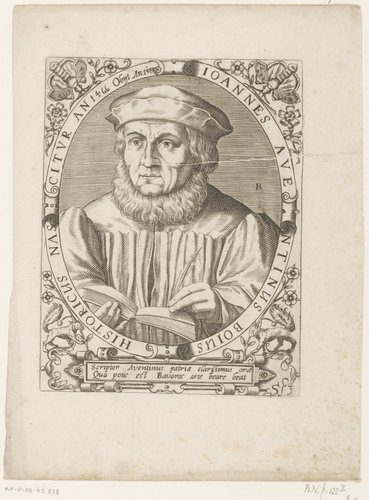
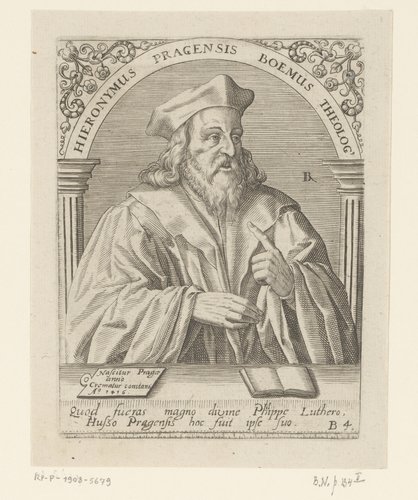
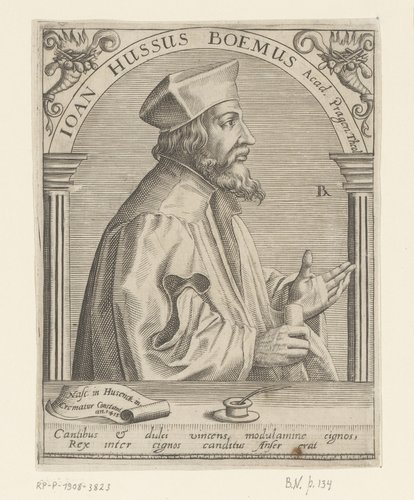
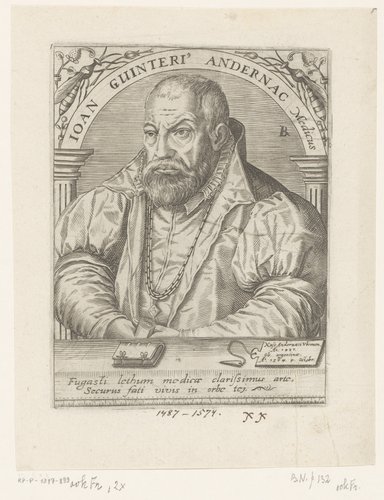
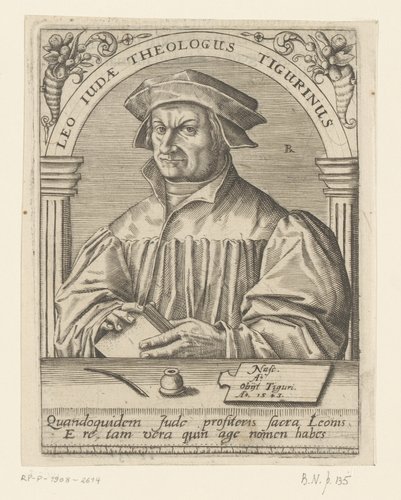
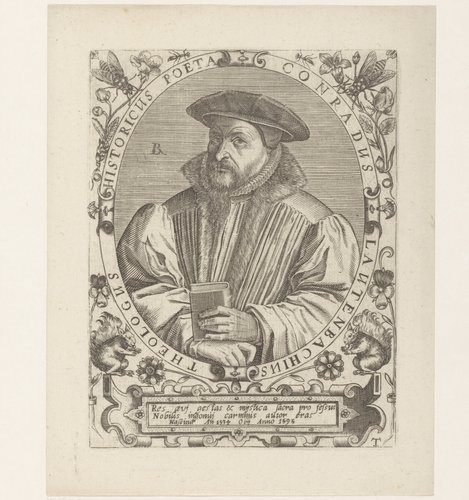
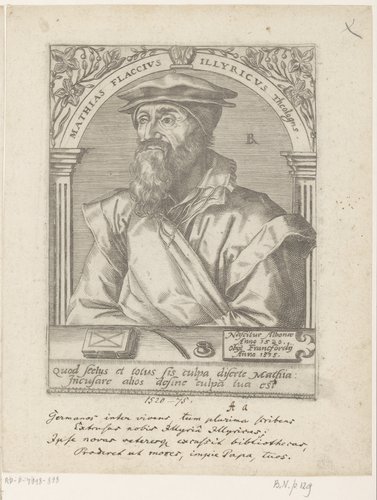
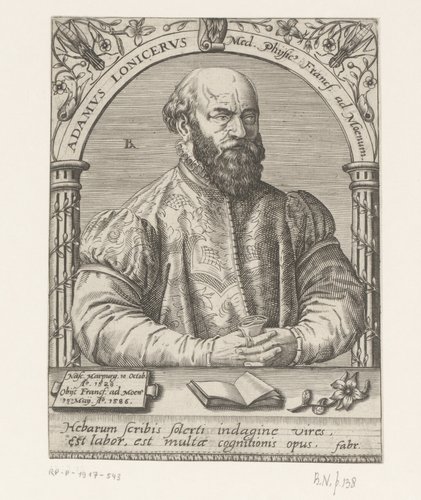
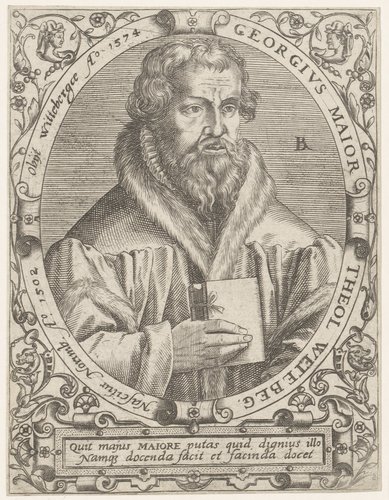
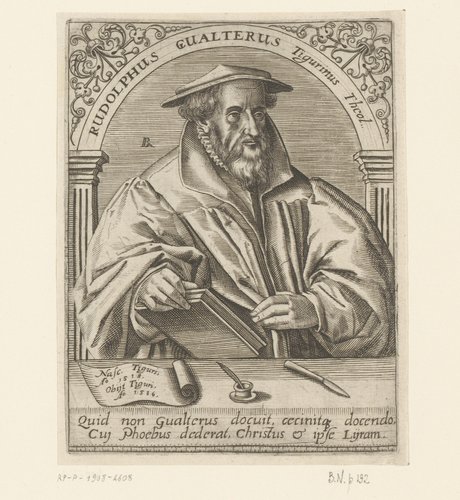
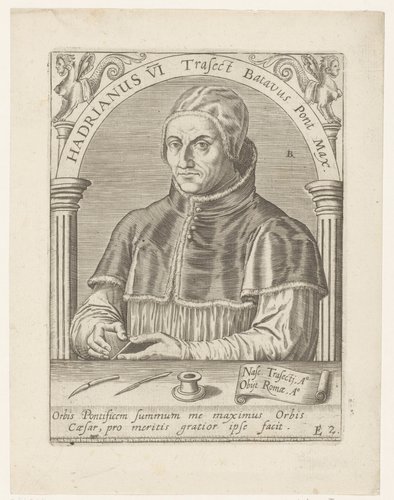
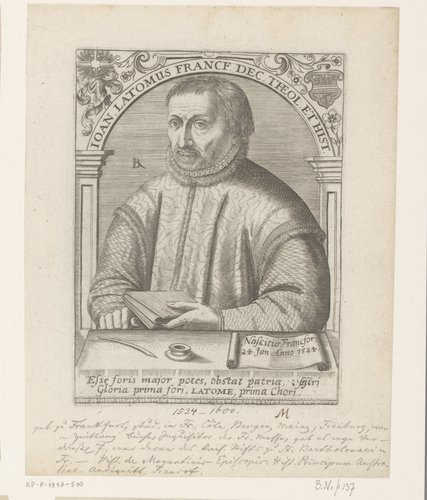
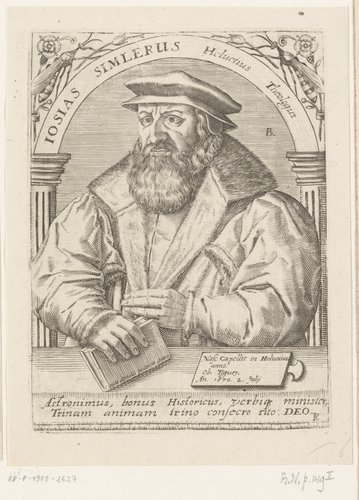
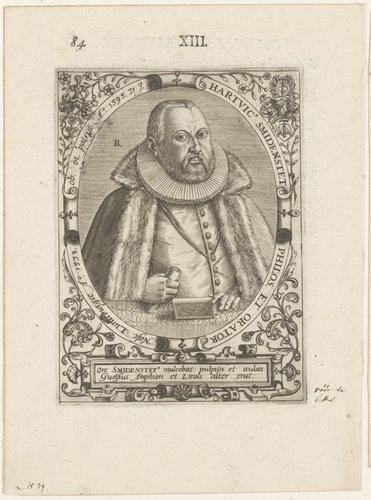
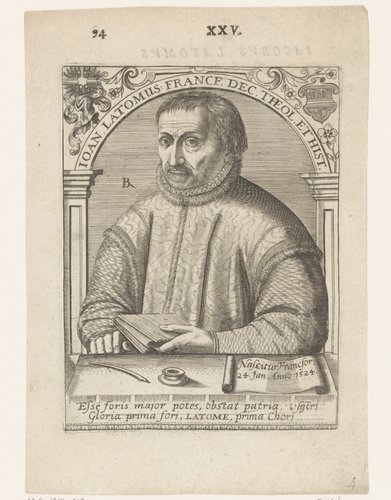
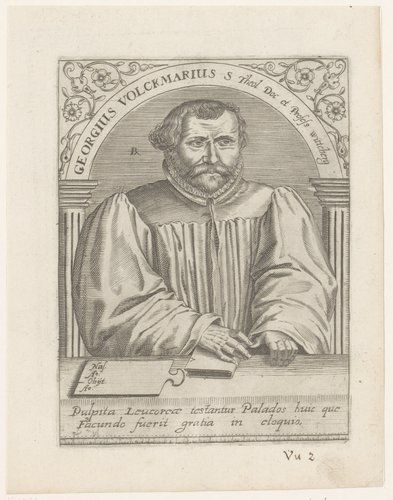
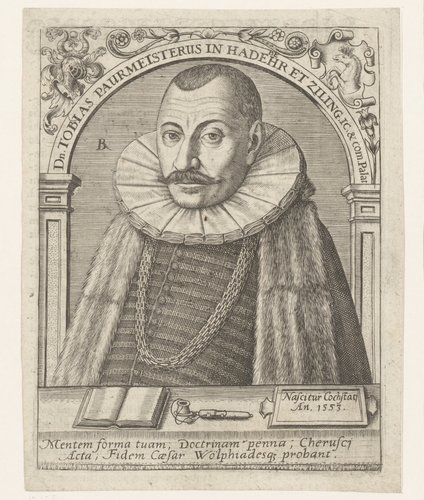
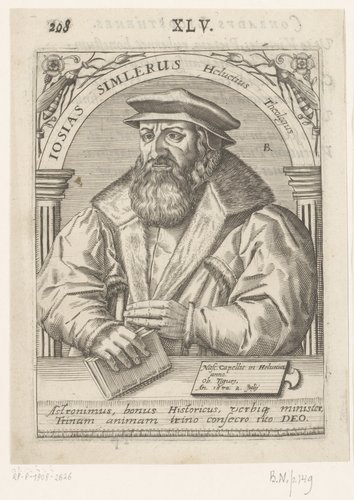
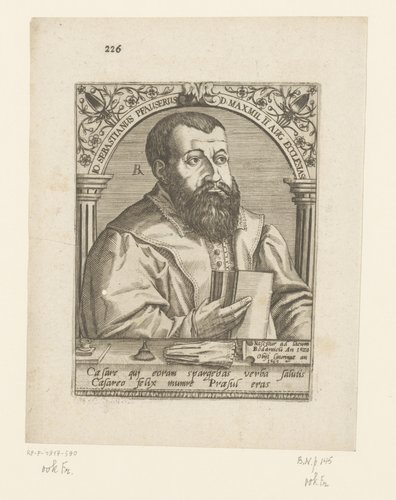
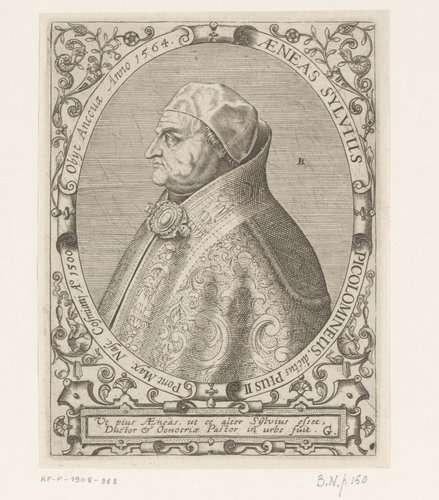
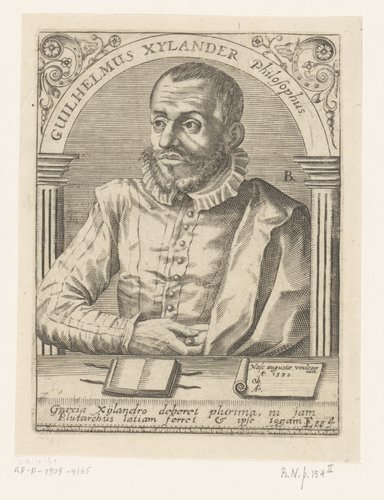
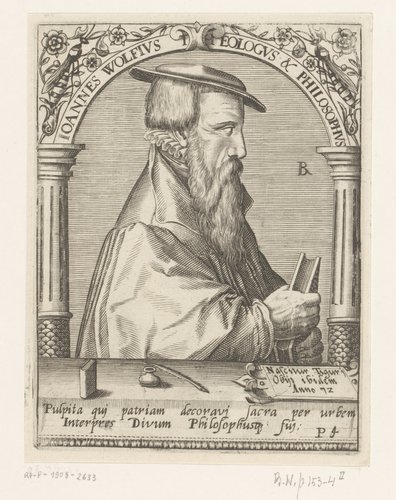
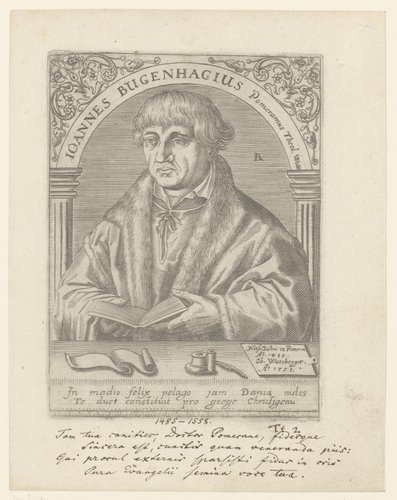
Robert Boissard's major project came through collaboration with Jean-Jacques Boissard on the 'Icones virorum illustrium' (Icons of Illustrious Men), a massive biographical publication featuring portraits and brief lives of notable European figures. Published in Frankfurt by Theodor de Bry beginning in 1597, this work ultimately comprised multiple volumes containing hundreds of portrait engravings.
The 'Icones' reflected the Renaissance humanist passion for biography and the cult of fame—the belief that studying the lives of great men provided moral education and models for emulation. The work included scholars, rulers, military leaders, artists, and religious figures, creating a visual pantheon of European excellence.
Robert's task was to transform Jean-Jacques's portrait drawings into engraved copper plates suitable for printing. This required not only technical skill in handling the engraver's burin but also artistic judgment in translating drawings into the linear language of engraving. Each portrait needed to capture individual features while conforming to the standardized format of the publication.
The engravings typically showed bust-length portraits set within oval or rectangular frames, often with decorative borders and identifying inscriptions. Robert demonstrated particular skill in rendering period costume details—the elaborate ruffs, armor, academic robes, and other dress that indicated the subject's status and profession. His facial renderings, while following conventional formulas to some degree, nevertheless attempted to convey individual character.
Published in Frankfurt rather than France, the 'Icones virorum illustrium' reached an international market. Frankfurt's book fairs attracted buyers from across Europe, and the de Bry publishing house had developed sophisticated distribution networks. Robert's engravings thus circulated widely, establishing his reputation beyond France.
Following the completion of the 'Icones' project, Robert Boissard continued working as an independent engraver. The available evidence suggests he maintained a professional practice producing portrait engravings, allegorical subjects, and possibly illustrations for other publications.
His work from this period includes various portraits of prominent figures, executed in the meticulous style characteristic of early 17th-century French engraving. These prints featured the detailed rendering of facial features and elaborate costume that had marked his work on the 'Icones,' now applied to contemporary subjects or commissioned portraits.
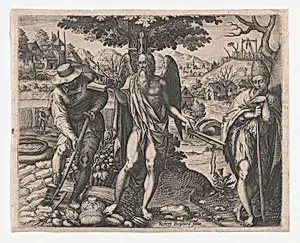
Boissard also created engravings from the 'Suite of Masquerades,' a series depicting theatrical or ceremonial costume designs. These prints reflected the period's fascination with spectacle, pageantry, and elaborate court entertainments. Such costume prints served multiple purposes: as records of actual events, as designs that could inspire future entertainments, and as collectible curiosities documenting the extraordinary costumes of court culture.
The market for prints expanded significantly in the early 17th century as collecting became increasingly popular among the educated bourgeoisie, not just aristocratic elites. Professional engravers like Boissard benefited from this growing demand, finding steady work producing portraits, religious subjects, and decorative prints for an eager market.
Artheon Research Team
Last updated: 2025-11-09
Biography length: ~982 words