Ctrl K
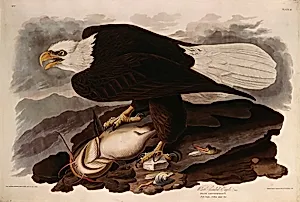
Robert Havell Jr., born on November 25, 1793, in Reading, Berkshire, England, was the son of renowned engraver and publisher Robert Havell Sr. and Lydia Miller Phillips. Growing up in a family of artists that included notable engravers and etchers, he trained under his father, mastering aquatint techniques early on. Though briefly estranged from the family business, Havell reconciled with his father in 1827, partnering to take on a monumental commission that would define his career.
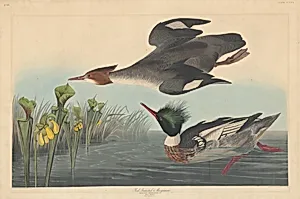
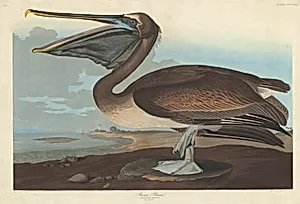
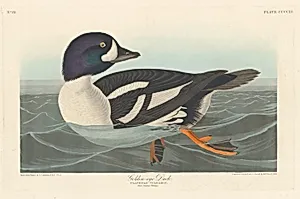
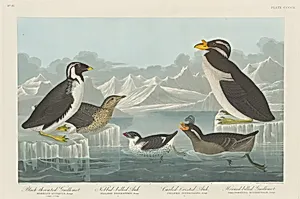
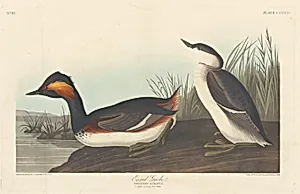
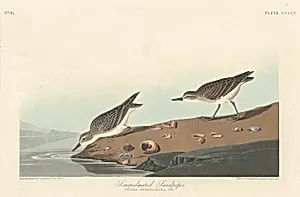
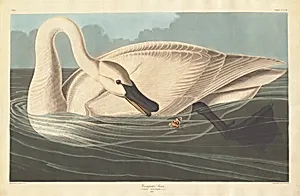
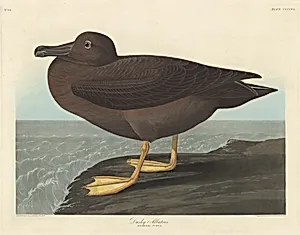
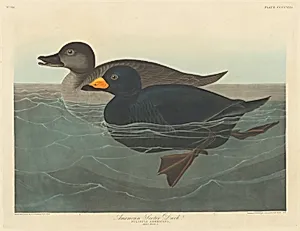
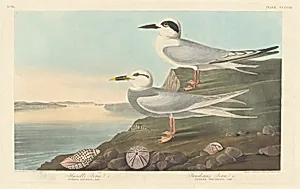
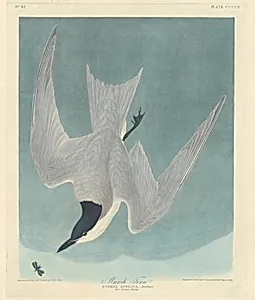
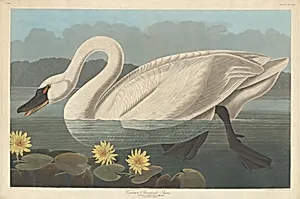
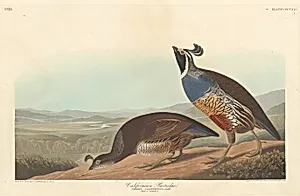
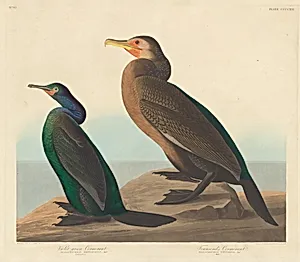
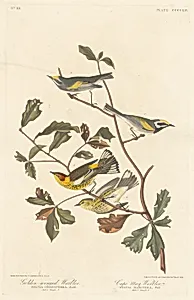
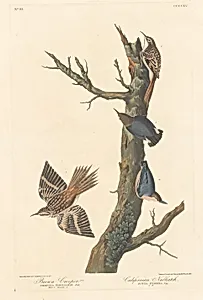
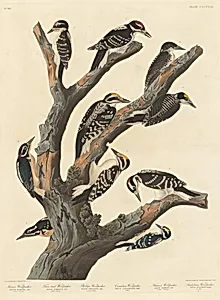
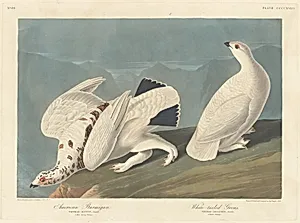
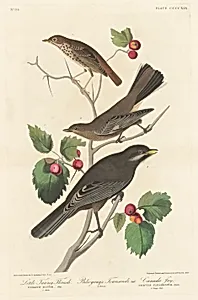
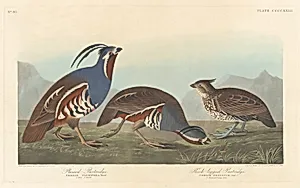
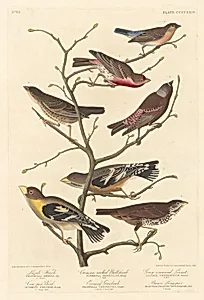
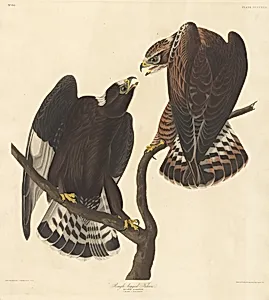
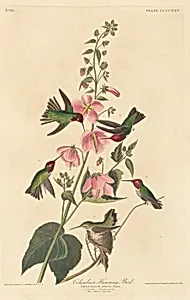
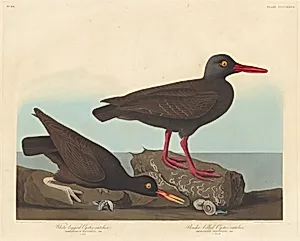
That project was John James Audubon's *The Birds of America*, for which Havell engraved 425 of the 435 double-elephant folio plates between 1827 and 1838, also overseeing much of the hand-coloring. Transforming Audubon's dynamic watercolors into precise, vividly colored aquatints—such as the *Blue Jay* (1831, plate 102), *American White Pelican* (1836, plate 311), *Pileated Woodpecker* (plate 111), and *Long-billed Curlew* (plate 231)—he captured the birds' lifelike energy and scientific detail, earning Audubon's deep trust and friendship. This collaboration elevated printmaking to high art, producing one of the finest natural history folios ever created.
At Audubon's invitation, Havell emigrated to the United States in 1839, settling first in Brooklyn and later in Ossining and Tarrytown, New York. There, he shifted from engraving city panoramas to painting luminous Hudson River School landscapes, working in the tradition of Frederic Church and Albert Bierstadt. Notable oils include *The Hudson River North to Croton Point* (1851) and *View of Hudson River from Tarrytown Heights* (ca. 1842), evoking the valley's majestic serenity through meticulous light and atmosphere.
Havell died on November 11, 1878, in Tarrytown at age 84, buried in Sleepy Hollow Cemetery. His engravings immortalized Audubon's vision, while his American landscapes bridged English precision with New World romanticism, cementing his legacy as a pivotal figure in transatlantic art.