Ctrl K
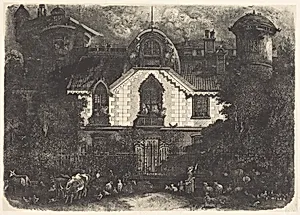
1822–1885
Rodolphe Bresdin (1822–1885) was a visionary French draughtsman, engraver, and lithographer whose fantastical imagery captured the empathy of rural poverty and the wild exuberance of the imagination. Born on August 12, 1822, in Montrelais near Le Fresne-sur-Loire in Brittany, he grew up in the Breton countryside amid its bardic folklore traditions before a family dispute left him homeless in Paris. There, he immersed himself in bohemian circles with Charles Baudelaire, Henri Murger, and Victor Hugo, embracing an itinerant life marked by poverty, revolution (including the 1848 uprisings and Paris Commune), and odd jobs from Toulouse to Bordeaux and even a failed emigration to Canada in 1873 with his wife Rose Cécile Maleterre and their children.
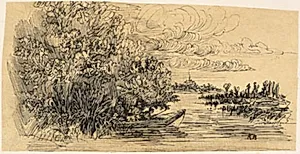
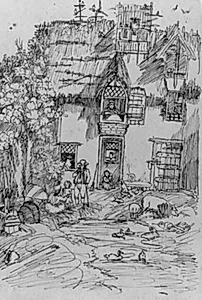
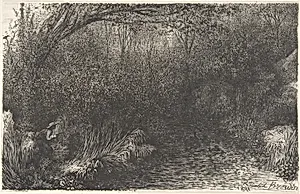
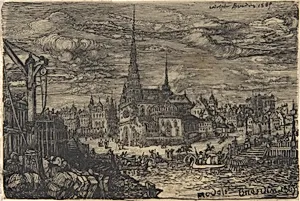
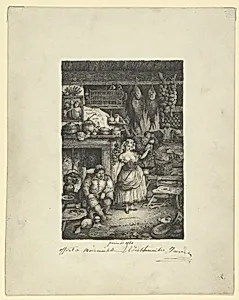
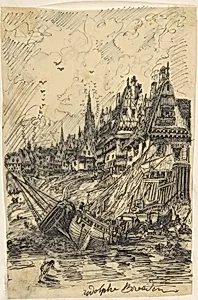
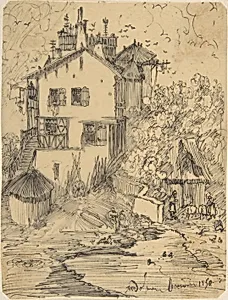
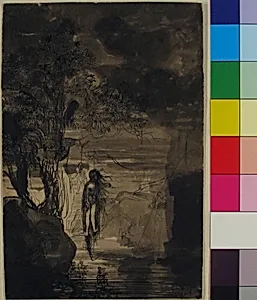
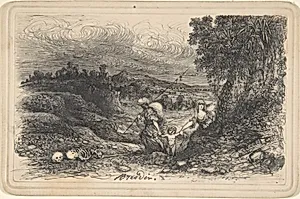
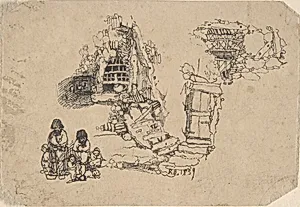
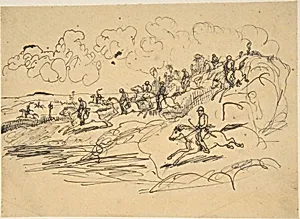
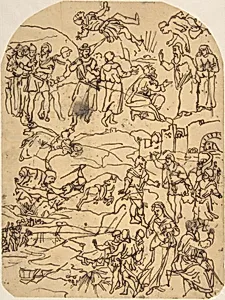
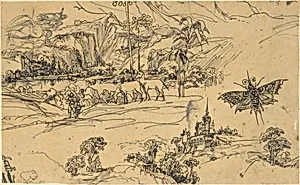
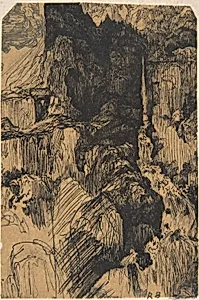
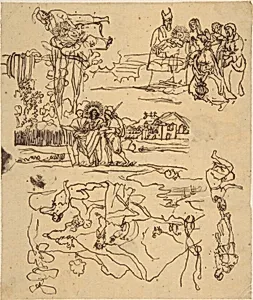
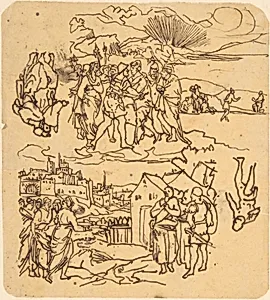
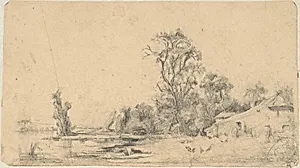
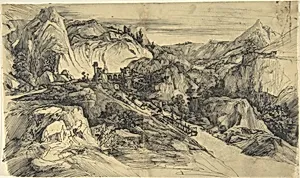
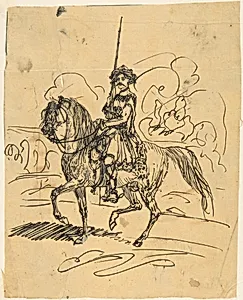
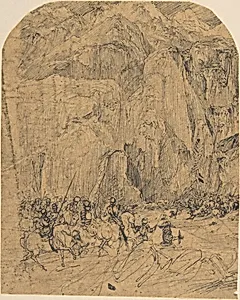
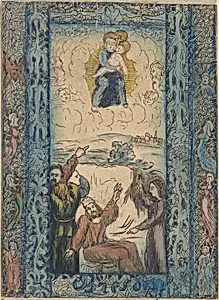
Entirely self-taught, Bresdin shunned formal art schools and nature as direct inspiration, declaring that the true artist carries everything within. His technique—etchings, lithographs drawn directly on stone with pen alone, and intricate pen-and-ink drawings—produced over 140 etchings, 20 lithographs, and countless sketches teeming with bizarre details: demons in thickets, hybrid creatures, macabre skeletons, and lush, impossible landscapes defying seasons and logic. Influenced by Rembrandt and Albrecht Dürer, his works evoked early Italian masters or opium visions, as Joris-Karl Huysmans rhapsodized in *À rebours*. Masterpieces include the monumental *The Good Samaritan* (1861), a virgin forest chaos sheltering biblical figures; *The Comedy of Death* (1854), with its bone-littered soil and chanting skeletons; the *Flight into Egypt* series; and late etchings like *Mon Rêve* (1883).
Bresdin's solitary genius, worked in attics by candlelight at the cost of his eyesight, profoundly shaped Odilon Redon, whom he mentored near Bordeaux around 1860. Admired by Théophile Gautier, Victor Hugo, and later André Breton as a "protosurrealist," his empathy for the rural poor and rejection of academic norms prefigured Symbolism, Surrealism, and artists like Paul Gauguin's circle, Jacques Moreau, and Jean-Pierre Velly. Dying alone in a Sèvres garret in 1885, buried in a pauper's grave, Bresdin's legacy endures in major collections worldwide, with retrospectives affirming his enduring spell.