Ctrl K
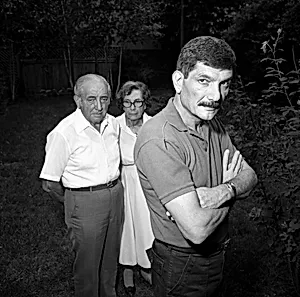
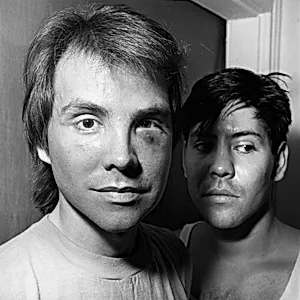
Rosalind Fox Solomon (1930–2025) was a pioneering American photographer whose unflinching black-and-white portraits captured the raw edges of human experience, from rituals and suffering to resilience amid adversity. Born Rosalind Fox on April 2, 1930, in Highland Park, Illinois, she graduated from Goucher College in 1951 with a degree in political science. After marrying businessman Joel W. Solomon—with whom she had two children, Linda and Joel Jr.—she settled in Chattanooga, Tennessee, working for USAID and the Experiment in International Living, experiences that immersed her in diverse cultures. At age 38, during a 1968 stint in Japan, she picked up an Instamatic camera, igniting a late-blooming career; by 1969, she advanced to a Nikkormat and home darkroom, later adopting medium-format for her signature square compositions. She studied intermittently under Lisette Model in New York from 1971 to 1977, honing a direct, empathetic gaze influenced by Model's street photography ethos.
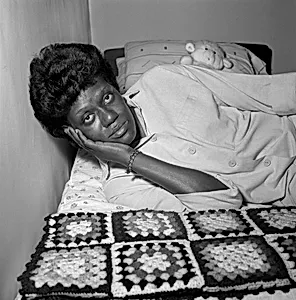
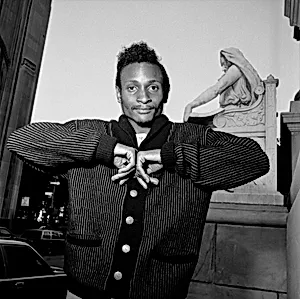
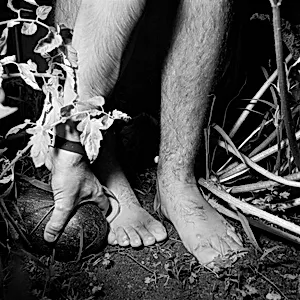
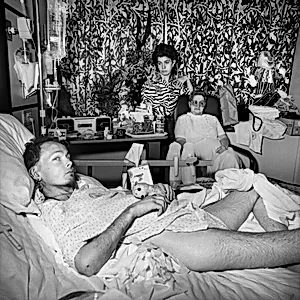
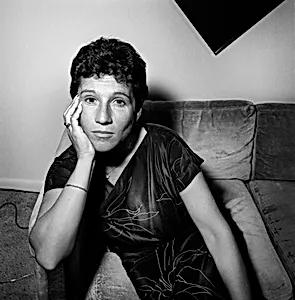
Solomon's style—intimate, psychologically penetrating portraits shot exclusively in black-and-white—zeroed in on marginalized lives, rituals, and ethnic tensions, blending personal obsession with visual anthropology. Early series like *Union Depot* (1971–1973) documented Chattanooga's transient souls, while *Dolls and Manikins* (1976) explored uncanny surrogates for humanity. In 1975, she portrayed recovering patients at Chattanooga's Baroness Erlanger Hospital; her Alabama works, including *Poke Bonnet, Scottsboro, Alabama* (1974) and *Crazed, Scottsboro, Alabama* (1974), captured Southern eccentricity and racial undercurrents, entering MoMA's collection. A 1977 Guggenheim Fellowship fueled global travels: Guatemala's shaman rites (1978–1979), Peru's earthquake-ravaged Ancash over two decades, and India's festivals (1981–1983), portraying figures like Indira Gandhi and the Dalai Lama. *Outside the White House* (1977–1978) featured artists like William Eggleston and politicians in Washington, D.C.
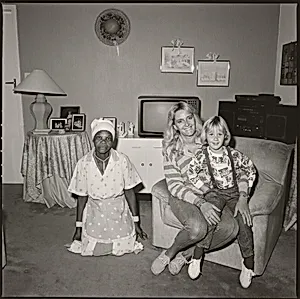
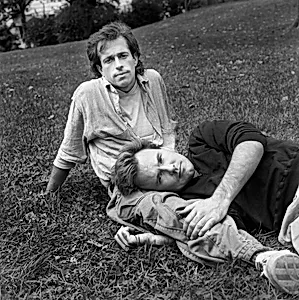
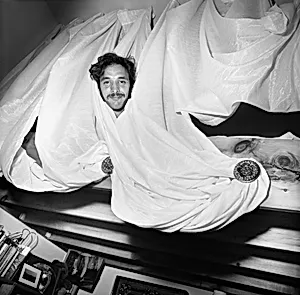
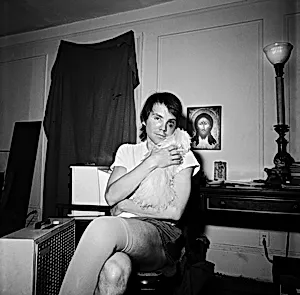
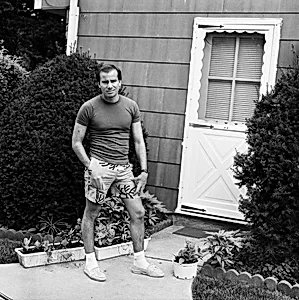
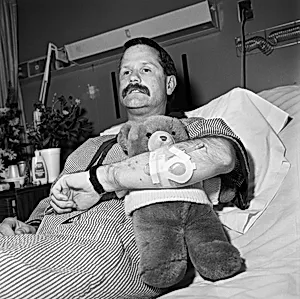
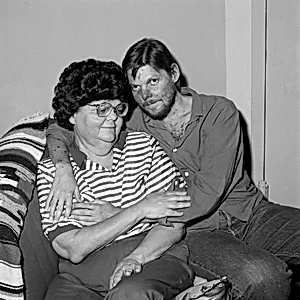
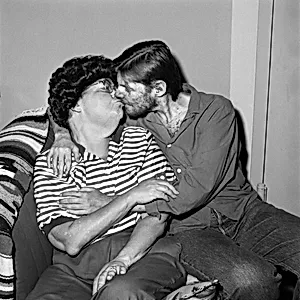
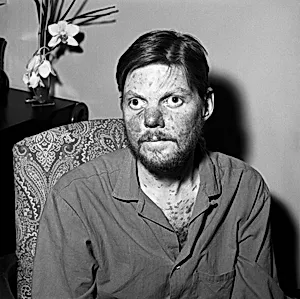
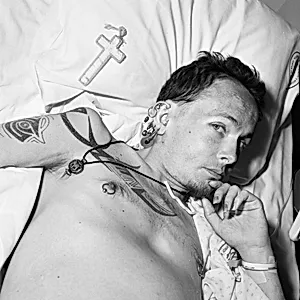
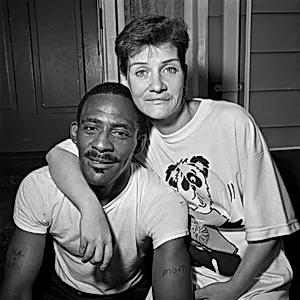
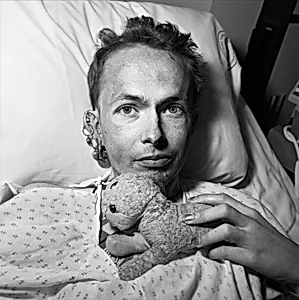
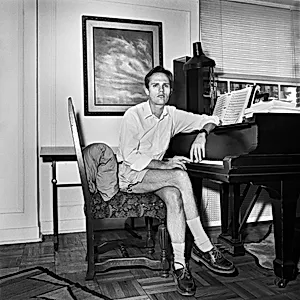
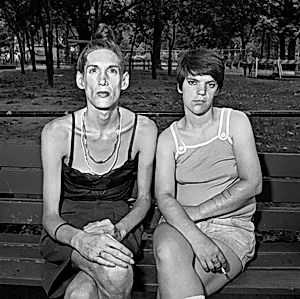
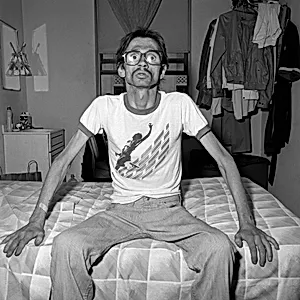
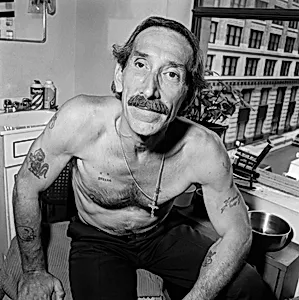
Later, Solomon confronted crises head-on: *Portraits in the Time of AIDS* (1987–1988) humanized those afflicted, exhibited at NYU's Grey Art Gallery. She documented Poland's Holocaust shadows (*Polish Shadow*, 2006), apartheid's scars in South Africa, and Israel/West Bank's tensions (*Them*, 2014). Books like *Chapalingas* (2003), *Got to Go* (2016), and *A Woman I Once Knew* (2024, self-portraits) cemented her oeuvre, alongside recordings of Peruvian and Indian rites.
Her legacy endures in over 50 institutions, including MoMA (57 works), the V&A (27 prints), and the Bibliothèque Nationale de France (over 90 prints). Awards spanned a National Endowment for the Arts fellowship (1989), Lucie Award (2016), and ICP Lifetime Achievement (2019); her archive resides at the University of Arizona's Center for Creative Photography since 2007. Solomon died on June 23, 2025, in New York, leaving a profound testament to empathy's gaze.