
Ctrl K
1567–1599
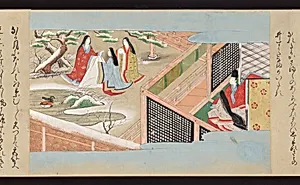
Ryūjo, also known as Tatsujo, was a high-ranking Japanese noblewoman and artist active during the Momoyama period (1573–1615). She styled herself “Ryūjo,” or “Dragon Lady,” and is recognized today primarily through her extraordinary creation of five illustrated handscrolls of *The Tale of Genji* (*Genji monogatari emaki*), completed in 1594. These scrolls represent one of the most ambitious visual interpretations of Murasaki Shikibu’s classic novel produced in the late sixteenth century, featuring fifty-four paintings that distill pivotal moments from each chapter alongside accompanying text.
Working in the Yamato-e tradition of narrative painting, Ryūjo combined delicate ink outlines with vibrant mineral pigments to create dynamic scenes filled with courtly figures, architecture, and natural details. Her calligraphy employs the refined *chirashi-gaki*, or “scattered writing,” technique long associated with aristocratic women calligraphers, in which lines of text are artfully dispersed across the page to enhance the visual rhythm of the composition. The scrolls demonstrate both her mastery of classical literary illustration and her command of the elegant, courtly aesthetic that defined elite artistic production of the era.
Little is documented about Ryūjo’s formal training or personal life beyond her evident familiarity with Heian-period court culture and her access to the finest materials and pigments. Her sole surviving major work, now in the collection of the Metropolitan Museum of Art, stands as a rare testament to female artistic agency in pre-modern Japan. Through this compendium, Ryūjo revived and reinterpreted a centuries-old literary masterpiece, ensuring its visual legacy endured into the modern age.