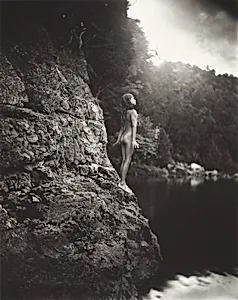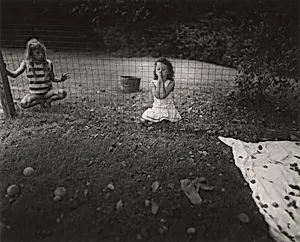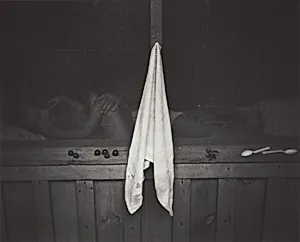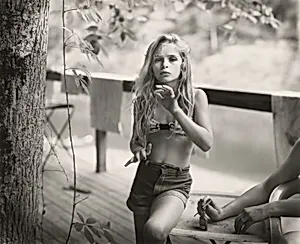
Sally Mann (born 1951) is an American photographer widely regarded as one of the most important and provocative artists working in the medium today. Born in Lexington, Virginia, Mann was raised in the rural landscape of the Shenandoah Valley that would become a defining presence in her art. She studied at Putney School in Vermont, Bennington College, and Friends World College before earning her BA from Hollins University, where she later studied under the photographer Len Prince. Her education was broad and literary, and her practice has always maintained deep connections to the American Southern tradition of writing and storytelling.
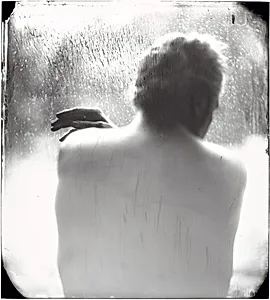
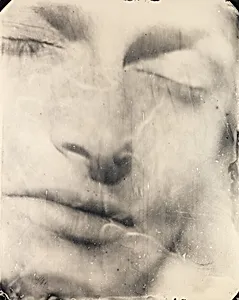
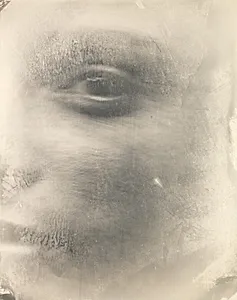
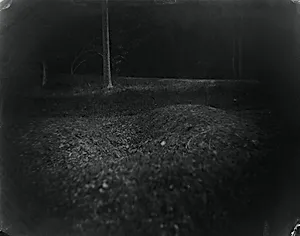
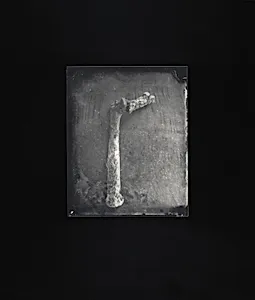
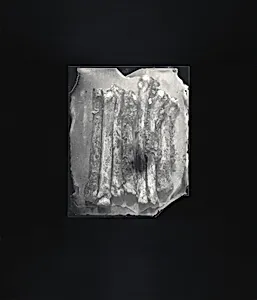
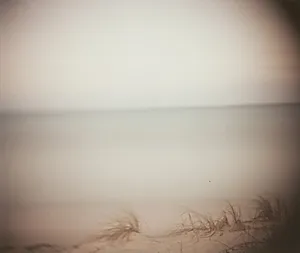
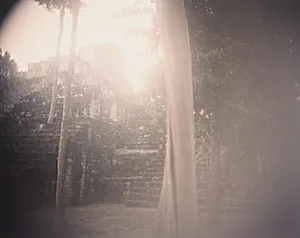
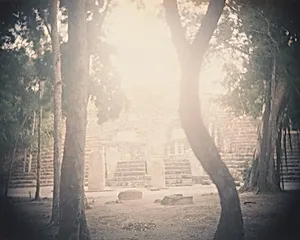
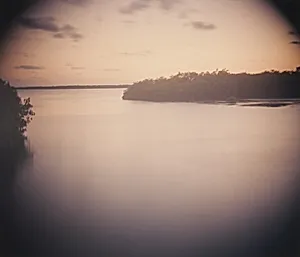
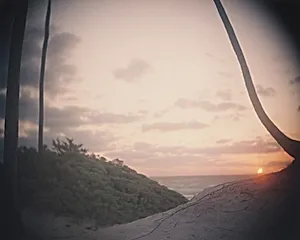
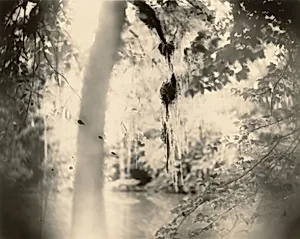
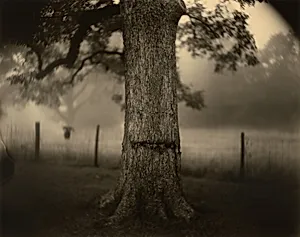
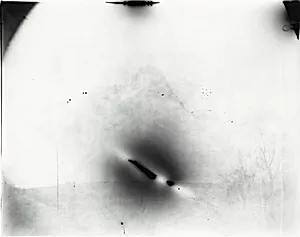
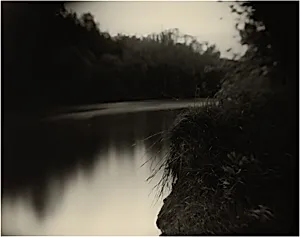
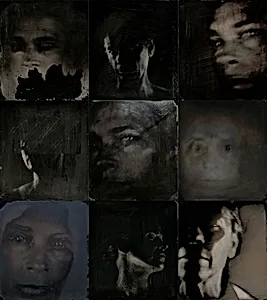
Mann works primarily with large-format cameras, and much of her most celebrated work employs the nineteenth-century wet-plate collodion process, which produces images of haunting, imperfect beauty marked by light leaks, chemical residue, and the physical irregularities of the hand-coated glass plates. This technically demanding process connects her art to the earliest history of photography while giving her images a quality of memory and temporal displacement that is entirely suited to her thematic concerns. Her subjects — the Southern landscape, bodily decay, the vulnerability and resilience of the human form, and the passage of time — are addressed with unflinching directness and lyrical intensity.
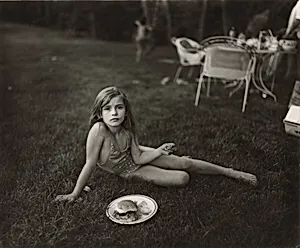
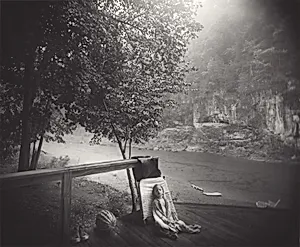
Her book Immediate Family, published in 1992, brought her international recognition and considerable controversy for its intimate depictions of her three children in the landscapes of their rural Virginia home. Subsequent series have ranged from the scarred landscapes of American Civil War battlefields to meditations on the decomposition of the body and the geology of the Southern terrain. Her memoir, Hold Still, published in 2015, added a distinguished literary voice to her visual practice.
Mann's work has been exhibited at major institutions worldwide and is held in the permanent collections of leading museums. She has received numerous awards and fellowships, and her influence on contemporary photography and on the broader tradition of American art photography is immense.