
Ctrl K
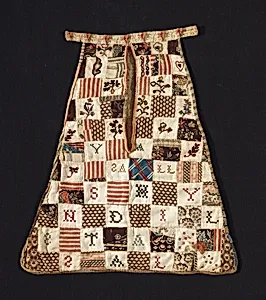
Sally Standish was an American needleworker active in the late eighteenth and early nineteenth centuries, primarily associated with Massachusetts or Rhode Island. Little is known of her personal life or formal training, as records from the period rarely documented domestic artisans, especially women working in embroidery. Her surviving work reflects the practical yet decorative traditions of early American textile arts, where women created functional items adorned with skilled stitching.
Standish is best known through a single attributed piece: an embroidered pocket dated around 1799. This cotton plain-weave garment, featuring silk embroidery in chain stitch and other techniques, exemplifies the period’s blend of utility and ornament. Such pockets were worn tied around the waist beneath skirts, serving as accessible storage while showcasing the maker’s artistry. The design and execution align with regional styles popular in New England households during the Federal era.
Though documentation of Standish’s broader output remains limited to this attribution, the pocket now resides in the collection of the Art Institute of Chicago, where it represents the anonymous yet vital contributions of early American women to the decorative arts. Her work continues to offer insight into the material culture and everyday creativity of the time, preserved as a rare example of eighteenth-century embroidery traditions.