Ctrl K
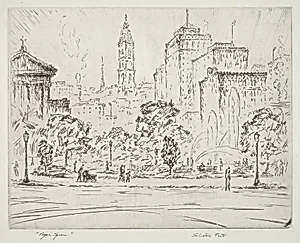
Salvatore Pinto was an American artist of Italian heritage who worked primarily in the first half of the twentieth century, producing paintings and prints that reflect the vital artistic culture of Philadelphia, where he spent much of his career. The precise dates of his birth and death have not been firmly established in the record, but his working years placed him within the richly productive era of American art between the wars, when regionalism, social realism, and modernist experiment all competed for the attention of artists and audiences.
Pinto studied at the Pennsylvania Academy of the Fine Arts, one of the oldest and most distinguished art schools in the United States, where he absorbed the rigorous training in drawing and painting from life that the Academy was famous for providing. His work shows the influence of that tradition, combining careful observation with a warm, humanistic sensibility that was characteristic of the Philadelphia artistic community of his era.
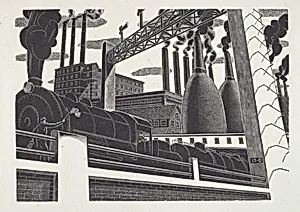
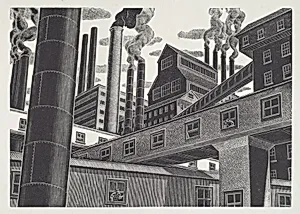
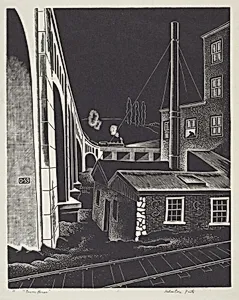
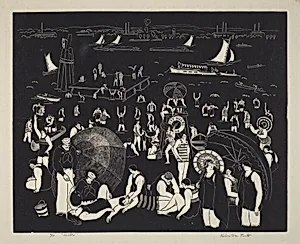
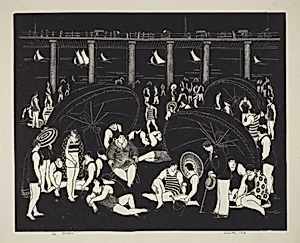
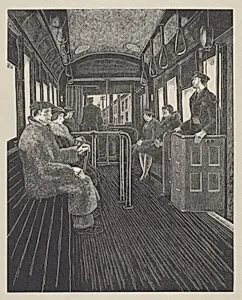
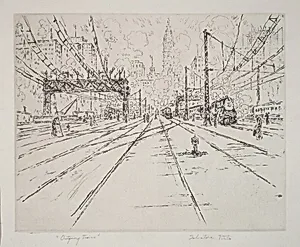
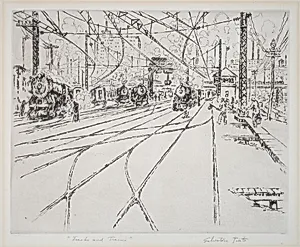
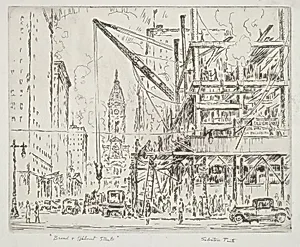
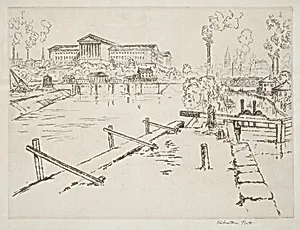
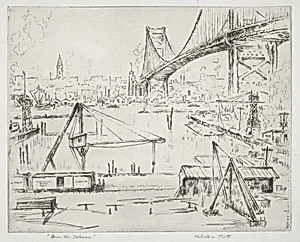
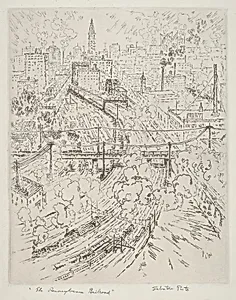
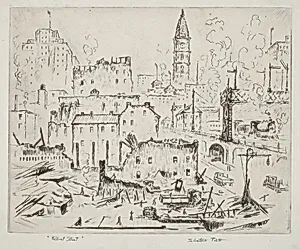
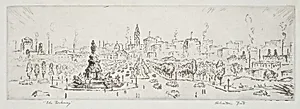
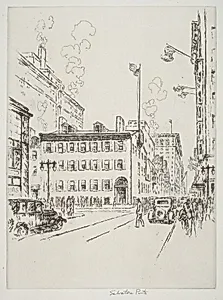
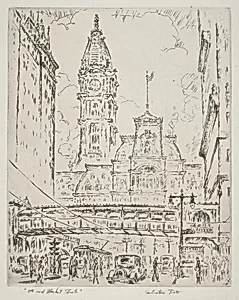
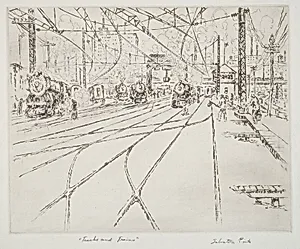
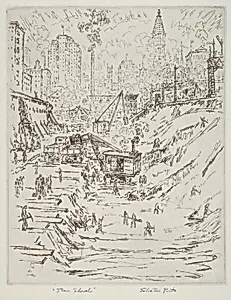
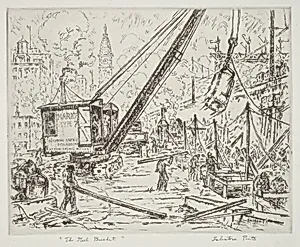
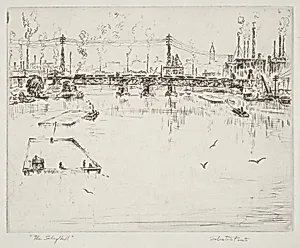
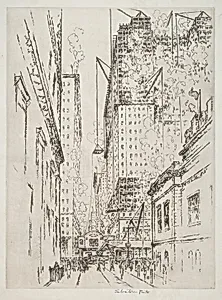
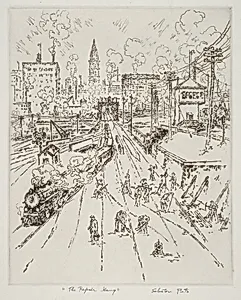
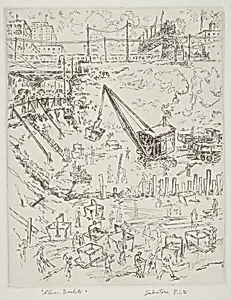
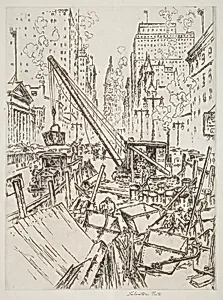
His paintings and prints documented the life and character of his urban environment, depicting working-class neighborhoods, markets, and the rhythms of everyday American city life with sympathy and skill. His printmaking, in particular, demonstrates technical accomplishment in the service of vivid social observation.
Though Pinto did not achieve the wide national fame of some of his contemporaries, his work has been collected by regional museums and institutions that recognize its value as both aesthetic achievement and social document. He remains an important figure in the history of Philadelphia art and in the broader story of Italian-American artists who contributed to the cultural life of twentieth-century America.