Ctrl K
1740–1809
Occupations
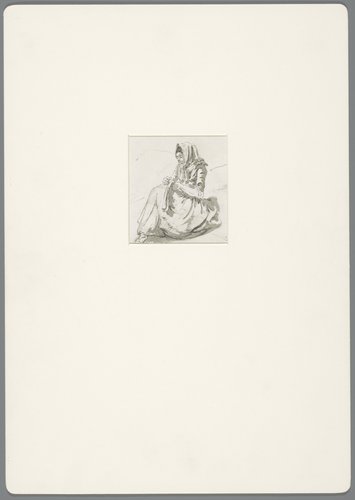
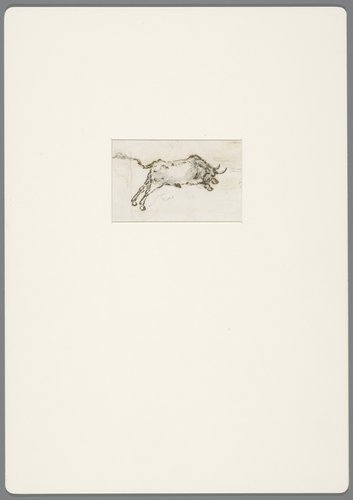
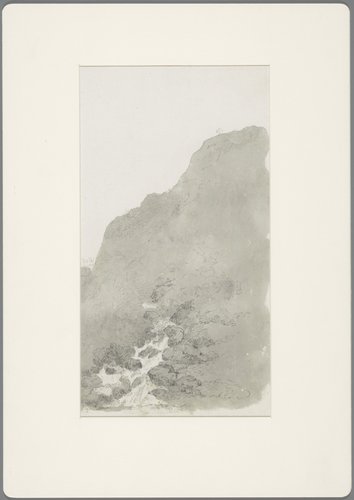
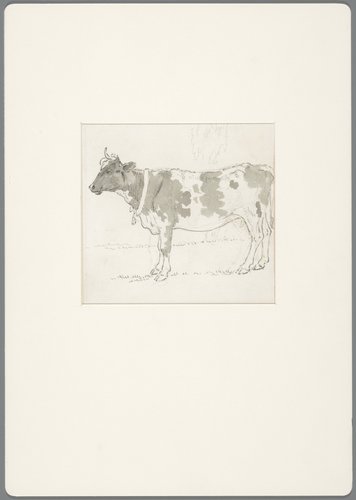
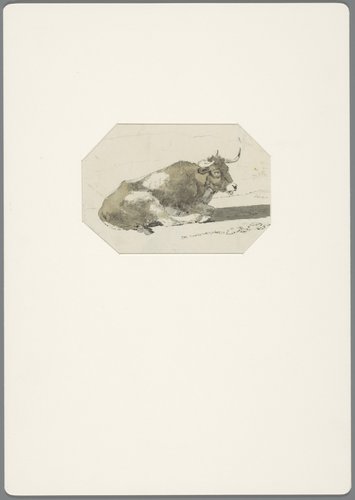
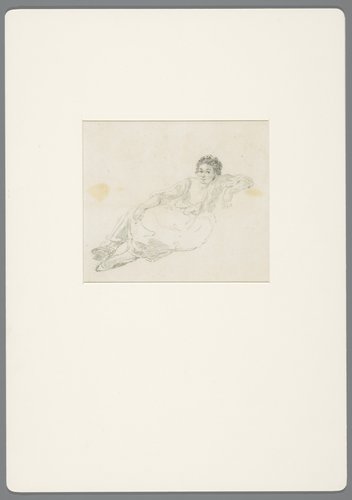
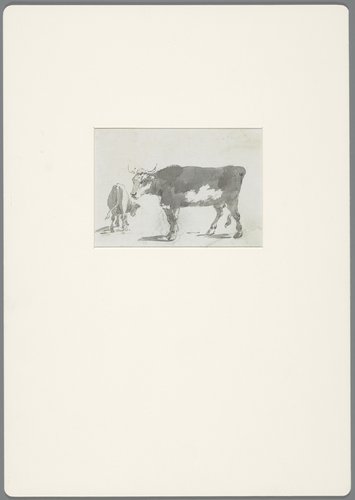
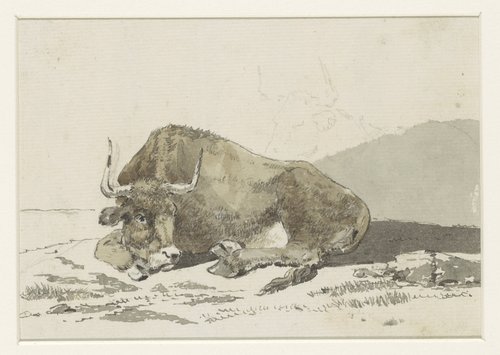
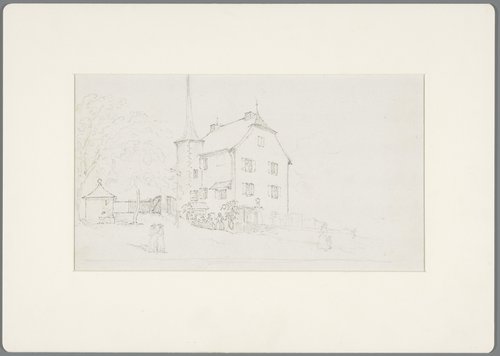
Baron David Alphonse de Sandoz-Rollin (1740–1809) was a Swiss draughtsman and painter who combined artistic pursuits with diplomatic service, spending significant portions of his life in Paris while serving as secretary to the Prussian ambassador. Born in Neuchâtel, Switzerland, in 1740, Sandoz-Rollin pursued the dual career of diplomat and artist that was not uncommon among educated European elites in the eighteenth century, when artistic accomplishment was valued as a marker of cultivation and when diplomatic positions often allowed time for cultural pursuits. Sandoz-Rollin specialized in landscape drawings and paintings, creating views of notable European locations including Spanish architectural monuments and picturesque scenes. Among his documented works are 'The Aqueduct at Segovia' and 'A View of the Bridge at Toledo,' dated 1782 and executed in black chalk and watercolor—a combination of media that allowed for both precise linear definition and atmospheric tonal effects. His work 'Landscape with Two Shepherds,' held at The Courtauld in London, demonstrates his approach to pastoral landscape composition, incorporating human figures into natural settings according to established conventions of landscape art. His works are characterized by careful observation of architectural forms and natural landscapes, executed with the precision one might expect from someone trained in diplomatic documentation and record-keeping. Sandoz-Rollin worked primarily in pencil, black chalk, and grey wash on paper—media well-suited to travel sketching and to the creation of finished drawings that could serve both as personal records and as works of art in their own right. Examples of his work are held in prestigious collections including The Courtauld, the National Gallery of Canada, and the Rijksmuseum, testifying to the quality and historical interest of his artistic production. He died in Neuchâtel in 1809 at age 69, having pursued art throughout a life also dedicated to diplomatic service.
David Alphonse de Sandoz-Rollin was born in 1740 in Neuchâtel, a principality in western Switzerland that at that time was technically subject to the King of Prussia while maintaining considerable autonomy. The de Sandoz family belonged to the local elite, with the 'de' prefix and eventual baronial title indicating noble or at least elevated social status.
Neuchâtel in the eighteenth century was a small but culturally sophisticated principality with connections to both French-speaking Switzerland and to Prussia through its princely allegiance. The educated elite of Neuchâtel valued both intellectual accomplishment and artistic cultivation, and families of Sandoz-Rollin's class typically ensured their children received broad education including drawing and other accomplishments considered appropriate to their station.
Sandoz-Rollin's education evidently included systematic training in drawing, the foundational skill for both artistic work and various practical applications including topographical documentation, architectural representation, and the visual recording of travels and observations. The quality of his later work suggests competent instruction in perspective, composition, and various drawing media.
His social position and education would have prepared him for diplomatic or administrative service—careers commonly pursued by educated young men from elite families in small states like Neuchâtel. The combination of artistic skill with diplomatic capability made him a valuable candidate for positions requiring both cultural sophistication and practical administrative abilities.
Sandoz-Rollin obtained a position as secretary to the Prussian ambassador in Paris, a post that combined practical diplomatic duties with residence in the cultural capital of Europe. Paris in the later eighteenth century was the center of Enlightenment culture, artistic innovation, and intellectual ferment, offering unparalleled opportunities for cultural engagement.
His diplomatic role would have involved correspondence, documentation, attendance at court functions and social events, and various administrative duties supporting the ambassador's work. The position required discretion, linguistic ability (French and German certainly, possibly other languages), understanding of diplomatic protocol, and capacity for careful, accurate work.
Simultaneously, Sandoz-Rollin pursued artistic activity, creating landscape drawings and paintings. His position allowed him to travel, and he apparently visited Spain, where he created studies of notable architectural monuments. Spain in the eighteenth century was opening somewhat to foreign visitors after centuries of relative closure, and its distinctive Moorish-influenced architecture and dramatic landscapes attracted the attention of educated travelers.
In 1782, Sandoz-Rollin created 'A View of the Bridge at Toledo,' executed in black chalk and watercolor. This work documented one of Spain's most picturesque locations—Toledo, the former capital, with its dramatic hilltop site, medieval architecture, and the famous bridge spanning the Tagus River. The work combined topographical accuracy with aesthetic appeal, showing both the specific character of the location and the artist's sensitivity to compositional arrangement and atmospheric effects.
He also created 'The Aqueduct at Segovia,' depicting the famous Roman aqueduct that remains one of the best-preserved examples of ancient Roman engineering in Spain. This subject appealed to eighteenth-century travelers interested in classical antiquity and impressed by monumental ancient architecture. Sandoz-Rollin's rendering would have required careful observation of the aqueduct's structure and ability to convey its impressive scale.
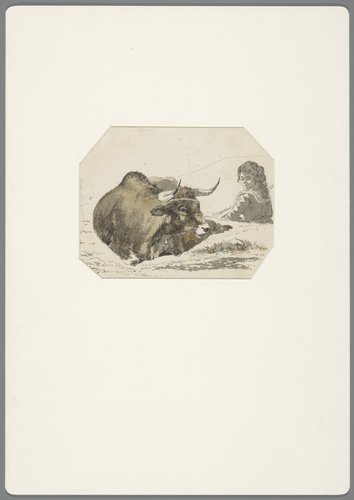
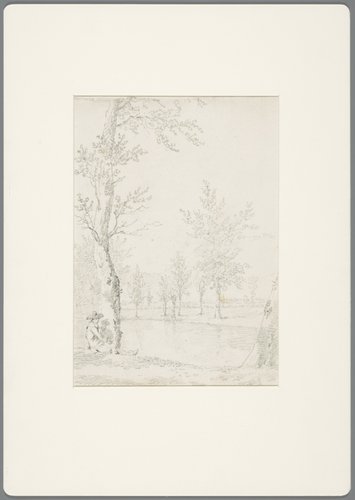
Beyond Spanish subjects, Sandoz-Rollin created landscape compositions incorporating pastoral elements. 'Landscape with Two Shepherds,' held at The Courtauld, shows his approach to this genre—composing natural landscapes with human figures that provide narrative interest and scale while creating the idealized pastoral scenes valued in eighteenth-century landscape art.
Sandoz-Rollin eventually returned to Neuchâtel, whether upon retirement from diplomatic service or for other reasons. His return to his birthplace allowed him to live among family and familiar surroundings while continuing his artistic work.
During his final years, he may have continued creating drawings and paintings, working from earlier sketches and studies made during his travels or creating new works based on the Swiss landscape surrounding Neuchâtel. The continuation of artistic activity in retirement was common among cultivated individuals for whom art was both serious pursuit and source of personal satisfaction.
Baron David Alphonse de Sandoz-Rollin died in Neuchâtel in 1809 at age 69. His death came during the Napoleonic period when Europe was engulfed in warfare and dramatic political transformations, though Neuchâtel's position allowed it some degree of insulation from the worst disruptions.
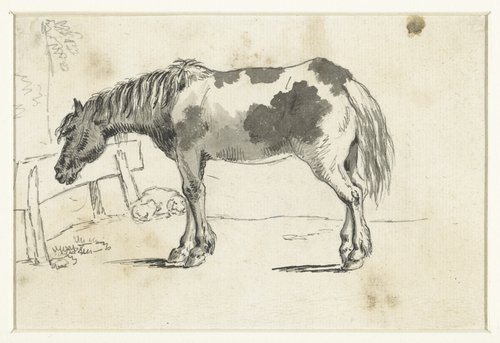
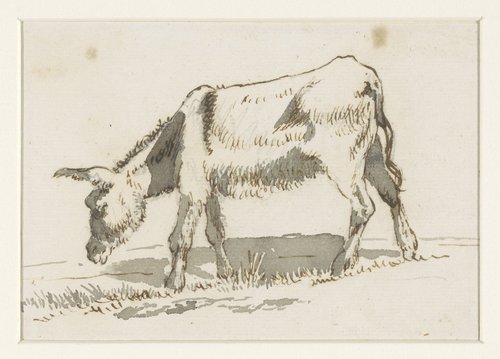
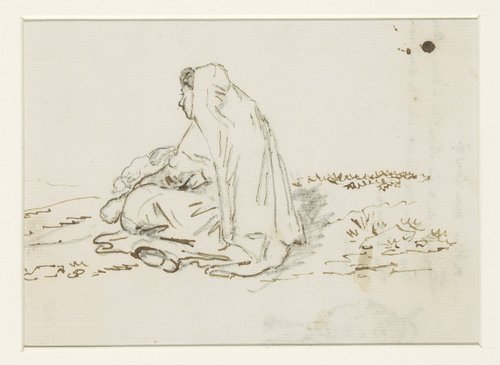
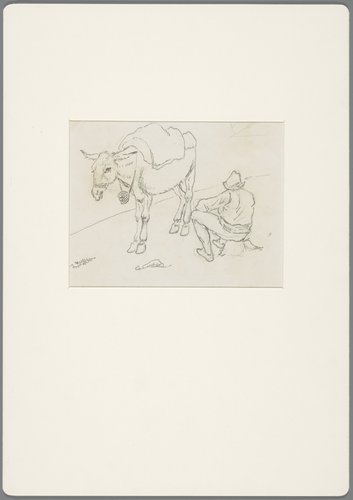
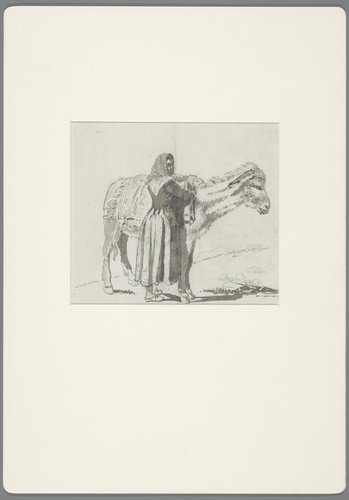
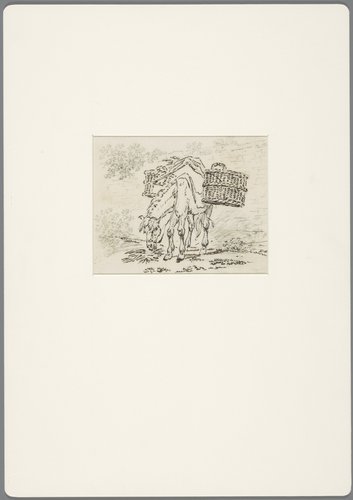
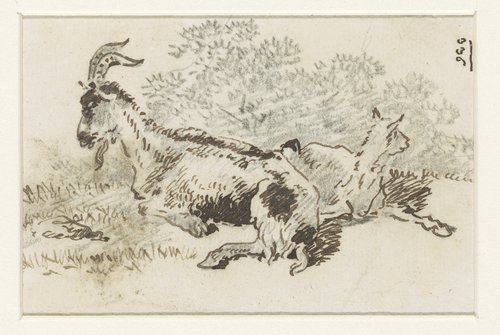
His legacy resides in the drawings and paintings he created, which survive in important collections. The Courtauld in London holds 'Landscape with Two Shepherds,' the National Gallery of Canada has acquired his work, and the Rijksmuseum in Amsterdam preserves examples including a drawing of a donkey. These works are valued both as artistic achievements and as documents of eighteenth-century travel and topographical observation.
Sandoz-Rollin represents a type common in eighteenth-century Europe but perhaps underappreciated in art historical narratives focused on professional artists—the cultivated amateur or semi-professional who combined other careers with serious artistic activity. His works demonstrate that substantial artistic accomplishment was possible outside the structure of professional artistic training and full-time artistic careers, and that diplomatic service and artistic pursuits could productively coexist.
Artheon Research Team
Last updated: 2025-11-09
Biography length: ~1,385 words
Wikidata (CC0); Getty ULAN (ODC-By)