Ctrl K
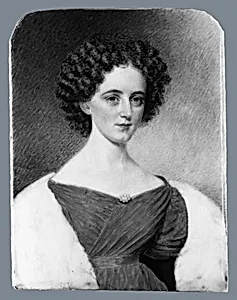
1788–1853
Sarah Goodridge (1788–1853) was a pioneering American miniaturist whose exquisite portrait miniatures captured the likenesses of prominent figures during the early republic. Born on February 5 in Templeton, Massachusetts, as the sixth of nine children to farmer Ebenezer Goodridge and Beulah Childs, she displayed artistic talent from childhood despite limited resources. Largely self-taught, she sketched family members on birch bark with a pin or on the sand-covered kitchen floor with a stick, honing her skills without formal education beyond local district schools. At around age 17, she joined her brother William in Milton, Massachusetts, attending a boarding school and taking initial drawing lessons in Boston. By 1820, settled with her sister Eliza in Boston, Goodridge received specialized training in ivory miniatures from Hartford artist Elkanah Tisdale and benefited from the mentorship of Gilbert Stuart, who critiqued her work and instructed her in technique after visiting her studio.
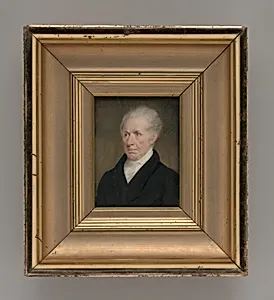
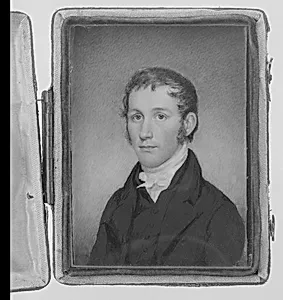
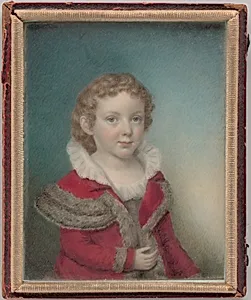
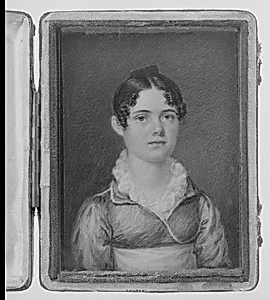
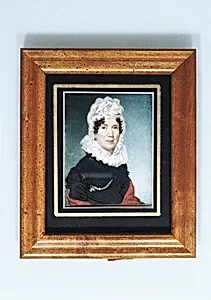
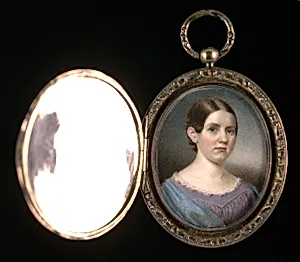
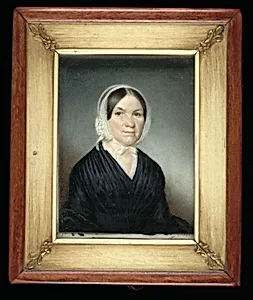
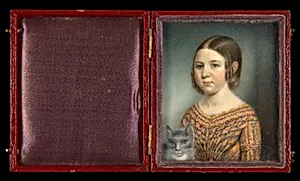
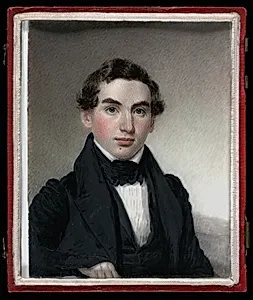
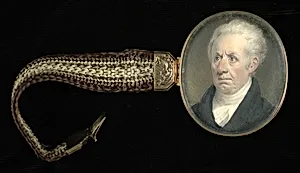
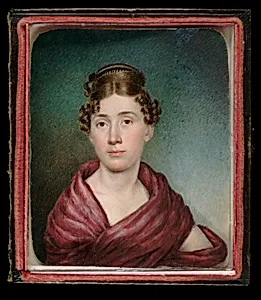
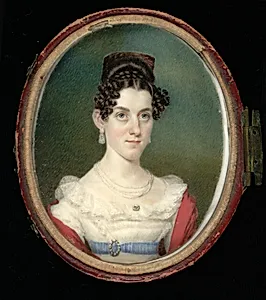
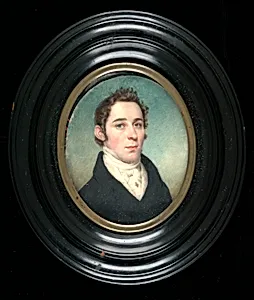
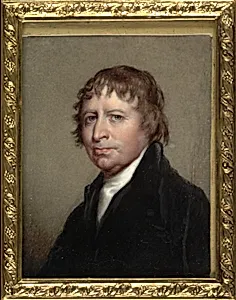
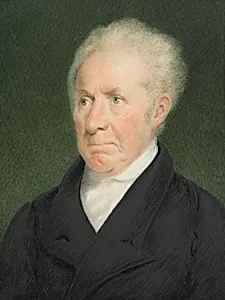
Goodridge worked in the Neoclassical tradition of portrait miniatures, painting delicate watercolors on ivory that measured just a few inches, ideal for lockets or fobs. Opening her own Boston studio in 1820, she became one of the city's most sought-after artists, producing up to three portraits weekly and supporting her ailing mother and orphaned niece for decades. Her sitters included luminaries like Daniel Webster, General Henry Lee, Theophilus Parsons, Isaiah Thomas, and Henry Knox. Among her masterpieces is the 1825 miniature of Gilbert Stuart, which he praised as "the only true likeness ever done of him," and her 1830 self-portrait, a genre staple showcasing her precision. She exhibited five times at the Boston Athenaeum (1827–1835) and in Washington, D.C., cementing her reputation.
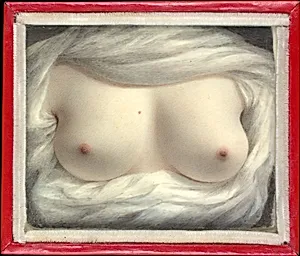
Goodridge's boldest work, *Beauty Revealed* (1828), a daring self-portrait of her bared breasts on ivory, gifted to Webster—possibly a romantic overture after his wife's death—challenged conventions with its intimate eroticism and luminous translucency. Her younger sister Elizabeth followed in her footsteps as a miniaturist. Retiring in 1851 due to failing eyesight, Goodridge died in Boston on December 28, 1853. Her legacy endures as a self-made female artist who thrived in a male-dominated field, her miniatures preserving the era's elite with unparalleled fidelity and her innovations inspiring later generations.