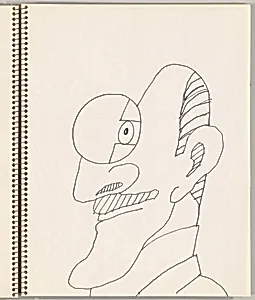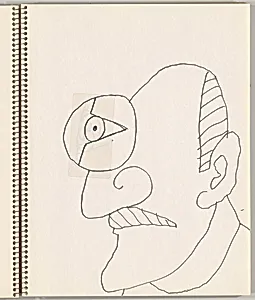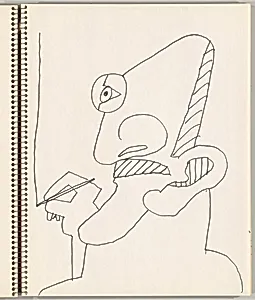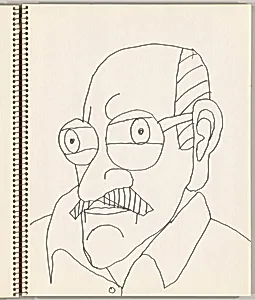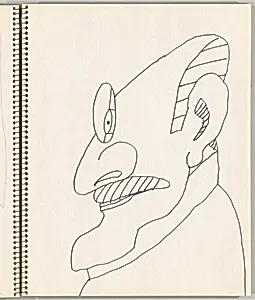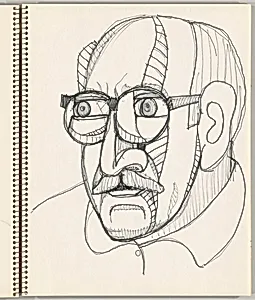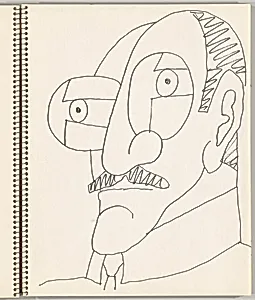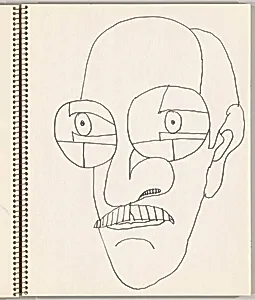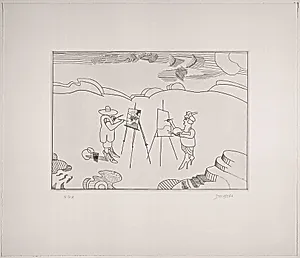
Saul Steinberg, born in 1914 in Râmnicu Sărat, Romania, to a family of Russian Jewish descent, navigated a peripatetic early career shaped by geopolitical upheaval and intellectual curiosity. After a brief stint at the University of Bucharest, he enrolled in 1933 at the Polytechnic University of Milan, earning a degree in architecture in 1940. There, he honed his graphic skills contributing satirical cartoons to the humor magazine *Bertoldo* starting in 1936. Mussolini's racial laws forced his flight in 1941 to the Dominican Republic, and by 1942, he had settled in New York City, where he quickly became a fixture at *The New Yorker*, submitting his first drawing in 1941. During World War II, Steinberg served in the U.S. Naval Reserve and the Office of Strategic Services (OSS), creating propaganda art in China, North Africa, and Italy.
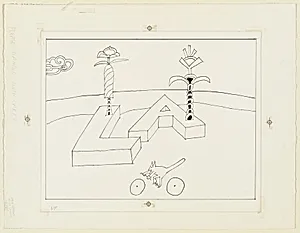
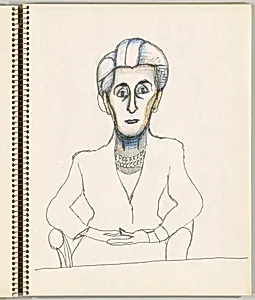
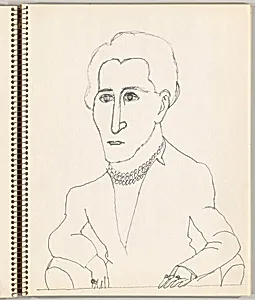
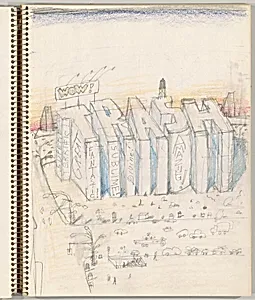
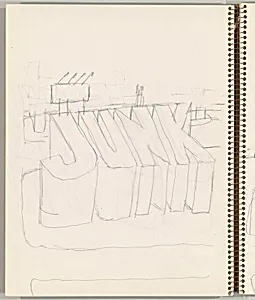
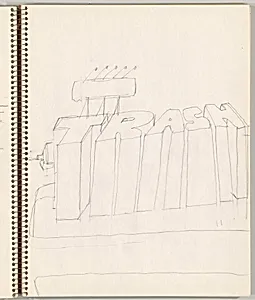
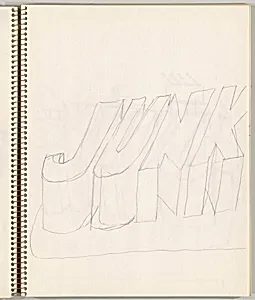
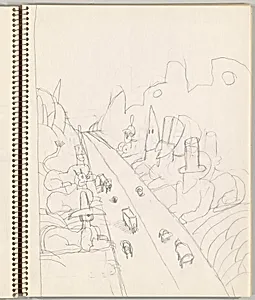
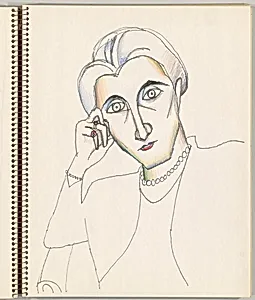
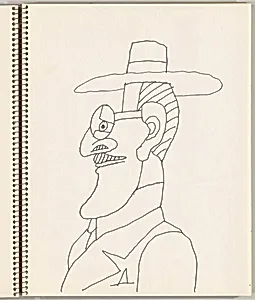
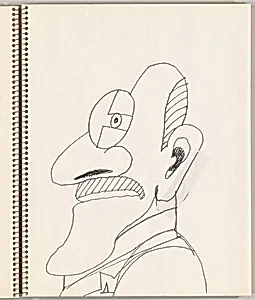
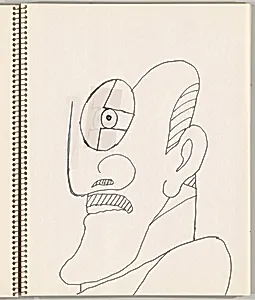
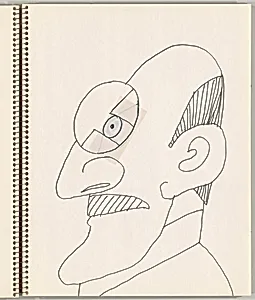
Steinberg's oeuvre defied categorization, blending drawing, collage, sculpture, and photography in a style infused with Dada, Surrealism, Cubism, and Pop influences. He called himself "a writer who draws," reasoning philosophically on paper through whimsical lines, visual puns, and absurdist humor that satirized bureaucracy, identity, and American society. His architecture training informed recurring motifs of buildings, maps, and labyrinthine structures, while his immigrant perspective lent a fresh, fantastical edge to depictions of modern life. In 1944, he married Romanian-born painter Hedda Sterne; though separated by 1960, they remained lifelong friends.
Among his most iconic works is the 1976 *New Yorker* cover *View of the World from 9th Avenue*, a masterful caricature of Manhattan ethnocentrism that endures as a cultural touchstone. Other landmarks include *Chicago* (1952, ink, watercolor, and collage), *The Passport* (1954 book satirizing documents), *The Labyrinth* (1960), and *Summer Table* (1981 collage). Over six decades, he produced hundreds of *New Yorker* illustrations alongside books like *All in Line* (1945) and murals, textiles, and stage sets.
Steinberg's legacy as a boundary-crossing modernist resonates in over eighty public collections worldwide, from the Museum of Modern Art to the Centre Pompidou. More than eighty solo exhibitions, including postwar shows at Betty Parsons and Sidney Janis galleries, cemented his influence on illustration and conceptual art. The Saul Steinberg Foundation perpetuates his vision, ensuring his doodles—profound yet playful—continue to illuminate the absurdities of the 20th century.