Ctrl K
1890–1918
Movements
Occupations
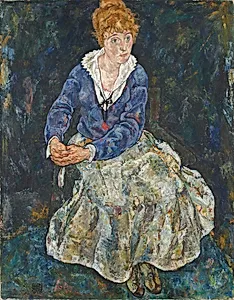
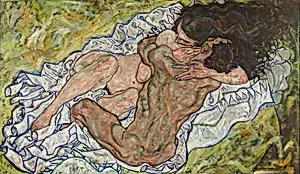
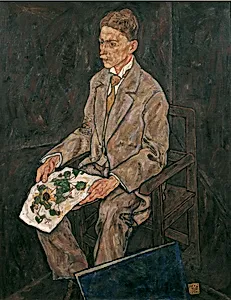
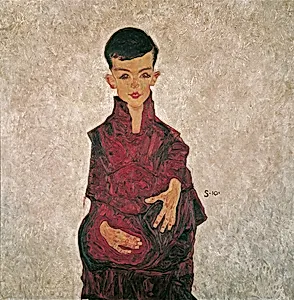
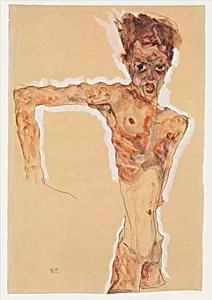
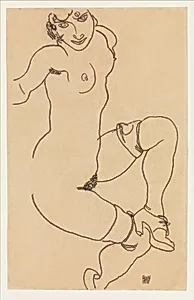
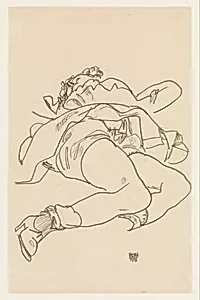
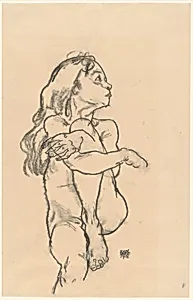
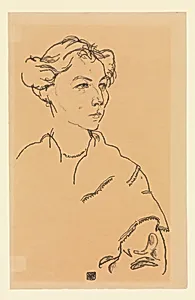
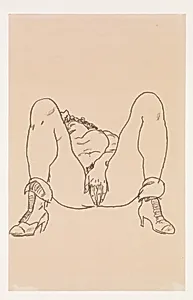
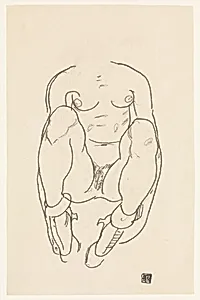
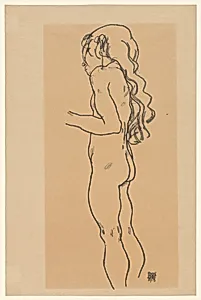
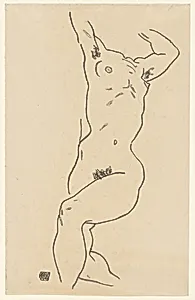
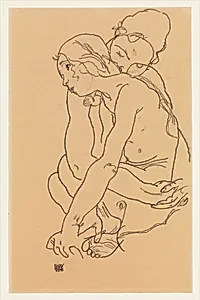
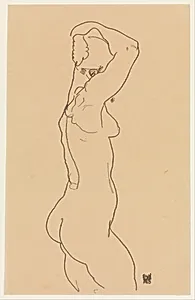
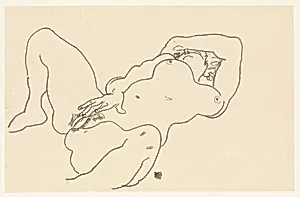
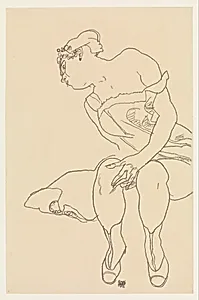
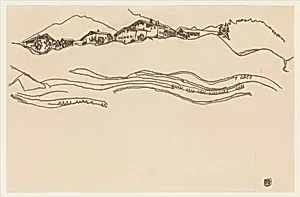
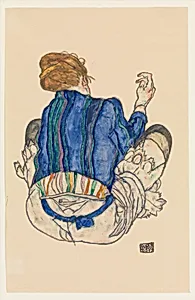
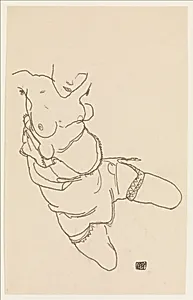
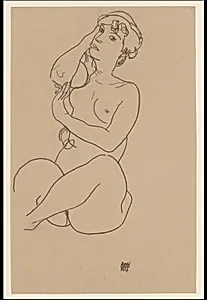
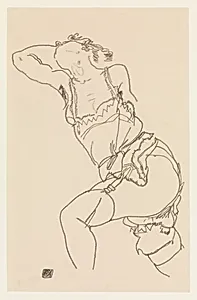
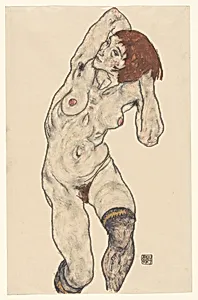
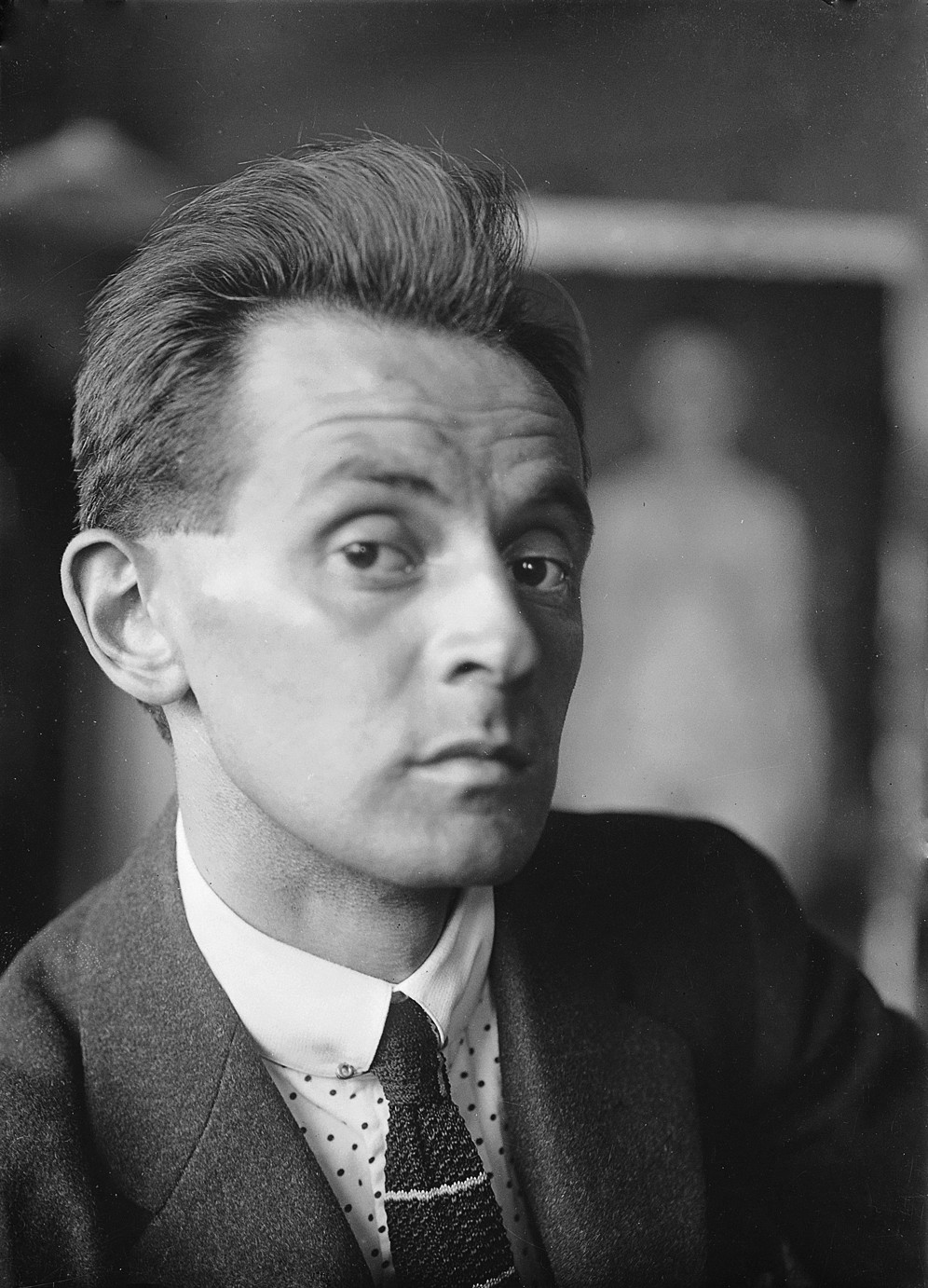
Egon Schiele (1890-1918) stands as one of the most provocative and psychologically penetrating artists of early twentieth-century European modernism. Born in Tulln an der Donau, Austria-Hungary, Schiele's brief but intensely productive life ended tragically at age twenty-eight when he and his pregnant wife Edith succumbed to the Spanish flu pandemic, mere days apart. Despite his truncated career, he produced over three hundred oil paintings and several thousand works on paper, leaving an indelible mark on Expressionist art. Schiele's artistic significance lies in his unflinching exploration of human psychology, sexuality, and mortality through the human figure. His portraits and self-portraits rank among the most psychologically complex images of the twentieth century—searing examinations of the sitter's psyche that strip away social pretense to reveal raw emotional truth. Working primarily in graphite, ink, watercolor, and oil, Schiele's art is immediately recognizable by its angular, contorted figures and raw emotional intensity, using sharp, jagged lines to create distorted human forms that express inner psychological states. After studying at Vienna's Academy of Fine Arts, the young Schiele sought out Gustav Klimt in 1907, forming a crucial mentor-mentee relationship. Klimt introduced him to patrons, models, and the work of Vincent van Gogh, Edvard Munch, and Jan Toorop. By 1910, not yet twenty years old, Schiele had emerged from Klimt's shadow with his own distinctive Expressionist style characterized by emaciated, angular figures, an often somber palette, and dark symbolism. His career was marked by both professional success and controversy, including a 1912 arrest for allegedly corrupting minors. Despite a persistent gap between his artistic ambitions and commercial prospects, Schiele continued producing work of remarkable psychological depth throughout World War I, during which he served in the military. Schiele's technique employed rapid, confident strokes and expressive line work that became hallmarks of early Expressionism. His self-portraits from 1910-1918 feature tortured, bony figures bristling with inner tension, made visible through agitated pencil lines and painted white auras. When working in oils, he maintained his signature expressive style with raw, visible brushstrokes that emphasized emotional authenticity over academic finish. Schiele's influence extends far beyond his Expressionist contemporaries like Oskar Kokoschka. His aesthetic profoundly shaped Neo-Expressionist successors including Francis Bacon, Julian Schnabel, and Jean-Michel Basquiat. Lucian Freud cited Schiele as a major inspiration for his approach to nude portraiture, while contemporary artists like Amoako Boafo continue to evoke Schiele's free line and unflinching intensity. His relentless pursuit of emotional authenticity and willingness to confront the darker aspects of human experience established him as a pivotal voice whose impact has only grown with time, resonating powerfully with successive generations seeking psychological truth in figurative art.
Wikidata/Wikimedia Commons