Ctrl K
1761–1816
Occupations
Hendrik Schwegman (1761–1816) was a Dutch artist and engraver whose diverse artistic production encompassed botanical illustration, floral still life painting, landscape etchings, and topographical documentation of the Dutch landscape. Born in 1761 in the Netherlands, Schwegman demonstrated versatility across multiple media and subjects, working in oil painting, watercolor, and printmaking throughout his career. His botanical works and floral still life paintings in oil on panel displayed the meticulous observation and technical refinement characteristic of Dutch natural history illustration, while his graphic work as an etcher focused particularly on documenting the landscape and architecture of Drenthe and other Dutch regions. Schwegman's etching series 'IX Gezichten in, en bij het landschap Drenthe' (Nine Views in and near the landscape of Drenthe), created after drawings by Egbert van Drielst (1745–1818), exemplified his skill in translating another artist's compositions into effective prints. Published around 1810 by C.S. Roos in Amsterdam, these etchings documented Drenthe's distinctive landscape including archaeological features like hunebedden (prehistoric megalithic tombs). Beyond reproductive work, Schwegman created original compositions including a self-portrait demonstrating his skills as draughtsman. His works are preserved in the Rijksmuseum and other Dutch collections, testament to his contributions to early nineteenth-century Dutch art.
Hendrik Schwegman was born in 1761 in the Netherlands, entering his formative years during the Dutch Republic's final decades before revolutionary upheavals transformed European political structures. Details of his artistic training remain unclear, though his later versatility across painting, drawing, and printmaking suggests comprehensive education in traditional Dutch artistic practices.
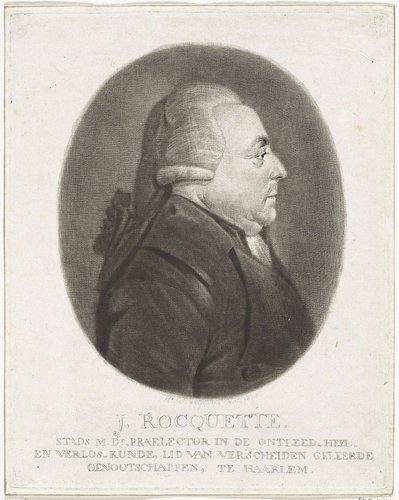
Schwegman created a self-portrait, preserved in the Rijksmuseum, demonstrating his skills in watercolor and drawing. This self-documentation reflected both artistic confidence and the practice of self-portraiture as exercise in observation and technical control.
His artistic interests encompassed both fine art subjects like floral still life and more documentary work including botanical illustration and topographical etchings. This range typified Dutch artistic practice, where boundaries between decorative art, scientific illustration, and fine art remained fluid.
During the early nineteenth century, Schwegman created floral still life paintings in oil on panel, continuing the distinguished Dutch tradition of flower painting that extended back to the Golden Age. At least one work, signed and dated 1810, demonstrates his active painting practice during this period.
Schwegman's most substantial documented project was creating etchings after drawings by Egbert van Drielst for the series 'IX Gezichten in, en bij het landschap Drenthe' (Nine Views in and near the landscape of Drenthe). These etchings, measuring approximately 26 × 36 cm, documented Drenthe's landscape, architecture, and prehistoric monuments.
One etching from this series depicts the hunnebed (megalithic tomb) at Midlaren, Drenthe, demonstrating contemporary interest in the Netherlands' prehistoric archaeological heritage. These dolmens, dating to the Neolithic period, attracted scholarly and artistic attention as monuments to the region's ancient past.
Another work, 'Landschap te Westerbork' (Landscape at Westerbork), also after Van Drielst, shows Schwegman's skill in translating landscape drawings into effective etchings. The series was published by C.S. Roos in Amsterdam around 1810, making these topographical views available to collectors and scholars interested in Dutch regional landscapes.
Schwegman died in 1816, concluding a career that bridged multiple artistic practices and contributed to both decorative traditions and documentary recording of the Dutch landscape during a period of significant political and social transformation.
Artheon Research Team
Last updated: 2025-11-09
Biography length: ~462 words
Wikidata (CC0); Getty ULAN (ODC-By)