Ctrl K
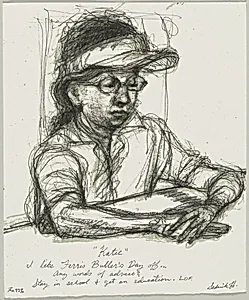
Sedrick Ervin Huckaby, born in 1975 in Fort Worth, Texas, discovered his passion for art early, sketching television characters as a child and taking high school classes at the Modern Art Museum of Fort Worth. There, he met artist Ron Tomlinson, who encouraged him to pursue a career in art. Huckaby studied under Tomlinson and Jack Barnett at Texas Wesleyan University before earning his BFA from Boston University in 1997 and MFA from Yale University in 1999. Post-graduation, he honed his skills through residencies, including six months at the Fine Arts Work Center in Provincetown and travels funded by Yale's Alice Kimball English Fellowship to study Henry Ossawa Tanner's works.
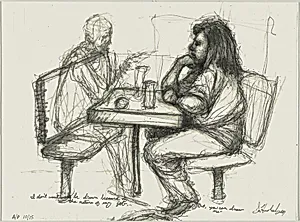
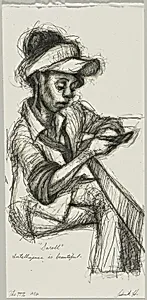
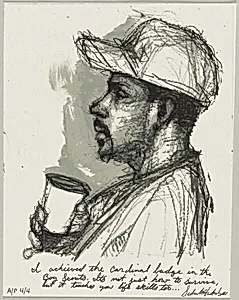
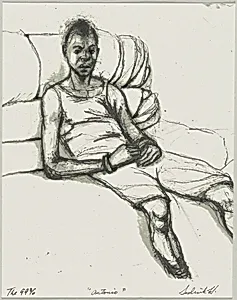
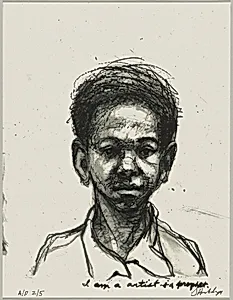
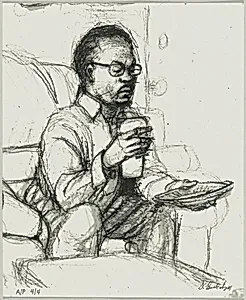
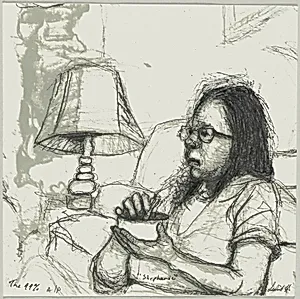
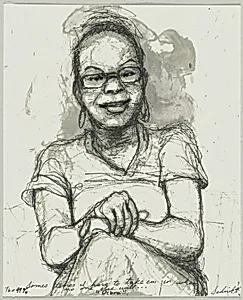
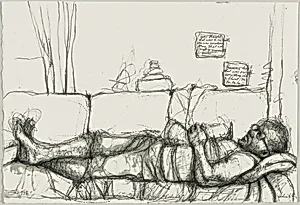
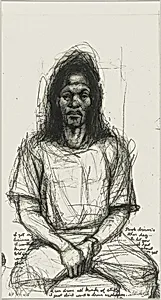
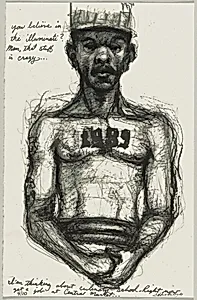
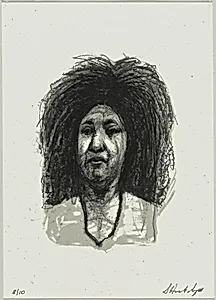
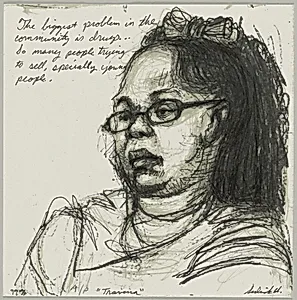
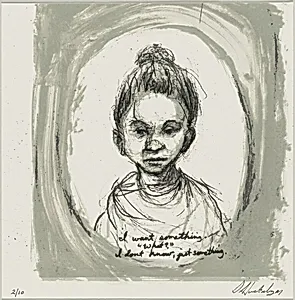
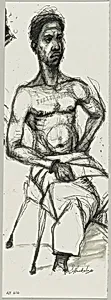
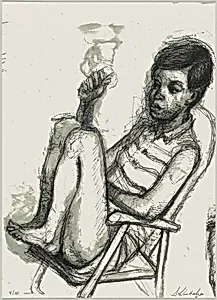
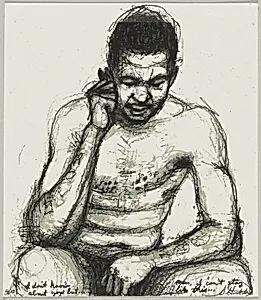
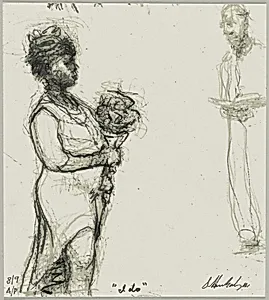
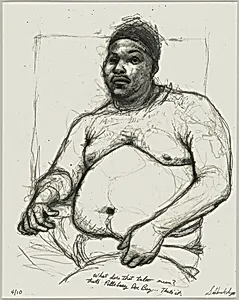
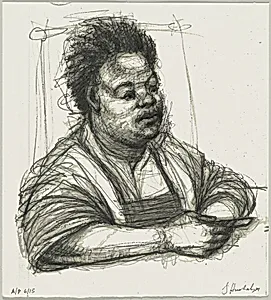
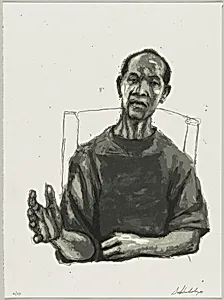
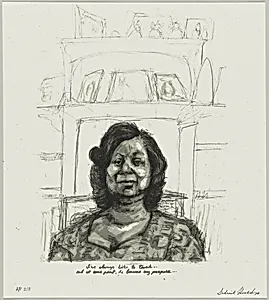
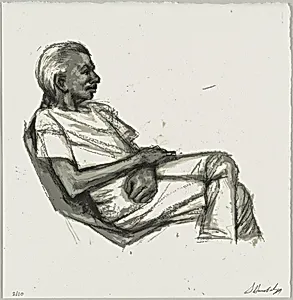
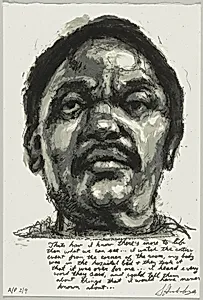
Huckaby's distinctive style employs thick impasto paint to craft monumental murals that mimic the texture and weight of traditional African American quilts, blending abstraction with portraiture in a sculptural pictorial aggression. His works explore universal themes of faith, family, community, and heritage, glorifying everyday people through hyper-detailed, life-sized depictions painted from life. Major series include *A Love Supreme* (2003–2005), an 80-foot, four-panel quilt homage inspired by John Coltrane and his grandmother's fabrics; *Big Momma's House* (2008), comprising 65 paintings, pastels, and drawings honoring family matriarch Hallie Beatrice "Big Momma" Carpenter; and *The 99% – Highland Hills*, portraits echoing Occupy Wall Street that capture his neighbors' resilience.
Married to artist Letitia Huckaby, with whom he has three children—Rising Sun, Halle Lujah, and Rhema Rain—Huckaby often draws from personal bonds, as in his National Portrait Gallery-commissioned *Opal Lee* (2023). His accolades include a Guggenheim Fellowship, Joan Mitchell Grant, and the 2016 Outwin Boochever Portrait Competition win. Since 2009, he has served as associate professor of painting at the University of Texas at Arlington. Huckaby's oeuvre graces collections at the Whitney Museum, San Francisco Museum of Modern Art, Art Institute of Chicago, and National Gallery of Art, cementing his legacy as a chronicler of Black American life through tactile, empathetic grandeur.