Ctrl K
Shawn Walker, born on November 26, 1940, in Harlem, New York City to parents Florine Walker and William Fletcher, discovered photography early through his uncle, an avid photographer who introduced him to the medium in 1949. He honed his skills at Benjamin Franklin High School, where he majored in photography after enrolling in 1954, before earning a BFA from Empire State College in 1980. By 1960, Walker was documenting daily life on his block at 117th Street in Harlem, capturing the neighborhood's vibrant energy amid social challenges like drug use. That year, he became a founding member of the Kamoinge Workshop, the longest-running Black photographers' collective, alongside figures like Roy DeCarava and Louis Draper. Through weekly critiques and discussions on painting, film, literature, and jazz, the group shaped his artistic voice, emphasizing positive imagery of Black life.)
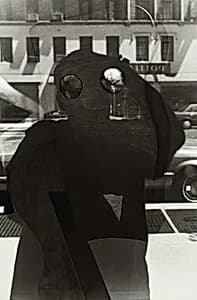
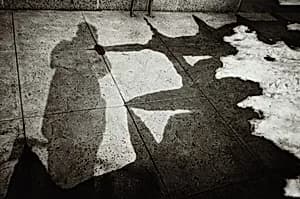
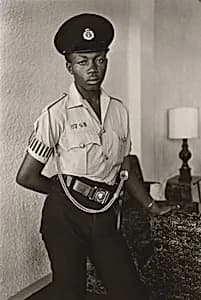
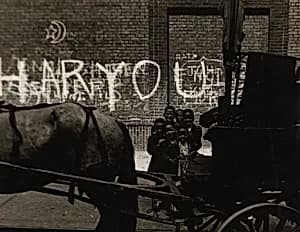
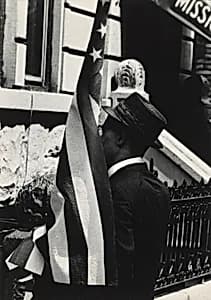
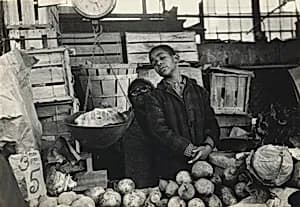
Walker's style fuses street photography, social documentary, abstraction, and surrealism, often revealing the "magic in everyday life" through Harlem's paradoxes—joyful parades juxtaposed with urban decay.) Key series include his "Drugs" works from around 1970, which exposed Harlem's addiction crisis and appeared in *Essence* magazine; the ongoing Parade series starting in 1960; and international travels like Cuba in 1968 (e.g., *Untitled, Cuba #1*) and Guyana in 1972. Early masterpieces such as *Young Girl in Front of Truck, 120th Street, Harlem, NY* (1962) and *Two Girls, 117th* (c. 1960s) exemplify his intimate, unflinching gaze, now held at MoMA and the Whitney Museum.
A professional photographer and filmmaker for over 50 years, Walker taught photography for nearly 40 years at City College of New York and other institutions, inspiring generations. His archive of over 100,000 images made him the first African American photographer acquired by the Library of Congress in 2020. Major exhibitions include retrospectives at Steven Kasher Gallery (2018) and Bruce Silverstein's *Lost & Found* (2023), plus group shows like *Working Together: The Photographers of the Kamoinge Workshop* at the Whitney, Getty, and Virginia Museum of Fine Arts. Walker's legacy endures in collections worldwide—from the Smithsonian to the National Gallery of Art—celebrating Black resilience through a lens both poetic and unflinching.)