Ctrl K
1877–1964
**Sherril Vance Schell (1877–1964)** was an American photographer renowned for his contributions to early modernist portraiture and architectural photography. Born in Iowa to a father from New York and a mother of local roots, he began working with a camera around 1910. He soon established himself as a skilled portraitist while living and working in London during the first decades of the twentieth century.
Schell’s style blended sharp observation with an interest in light, form, and urban geometry. His portraits often captured the personalities of notable figures with a direct, modernist sensibility, while his later architectural studies emphasized dramatic diagonals, shadows, and the play of light across cityscapes. He is frequently associated with the American modernist avant-garde, producing images that bridged pictorial traditions and emerging straight photography approaches.
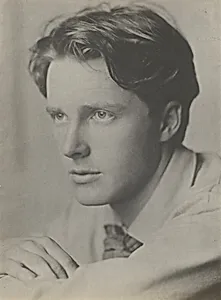
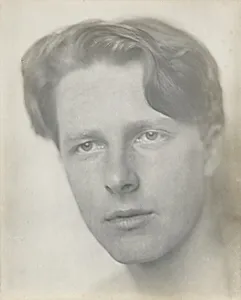
Among his most recognized works are the 1913 gelatin silver print portrait of the poet Rupert Brooke and the circa 1930 *Portrait of Rufino Tamayo*, both held in major museum collections. He also created striking views of the Brooklyn Bridge in 1935 and portraits of artists such as Louis Eilshemius. These images demonstrate his range from intimate character studies to bold explorations of modern infrastructure.
Though he remained somewhat underrecognized during his lifetime, Schell’s photographs are now valued for their pioneering role in twentieth-century photography. His work appears in institutions including the Art Institute of Chicago and the National Gallery of Art, and a caricature by Miguel Covarrubias from the 1920s–30s attests to his standing among contemporary artists. Schell died in 1964, leaving a compact but influential body of work that continues to illuminate the intersections of portraiture, architecture, and modernism.