Ctrl K
1599–1632
Sigismundus Latomus, born in Schleusingen, Germany, around 1599, emerged as a prominent publisher and printer in Frankfurt am Main during the early seventeenth century. Little is known about his early life or formal training, as historical records focus primarily on his professional output rather than personal background. Active from 1599 until his death around 1627, Latomus specialized in the production of pattern books that catered to the burgeoning demand for intricate textile arts amid Europe's Renaissance fascination with fine needlework.
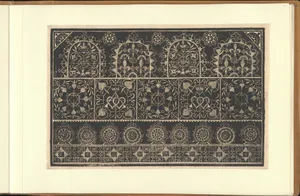
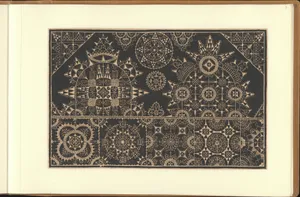
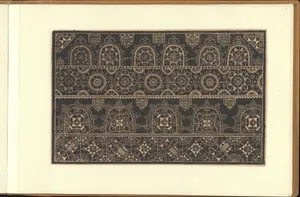
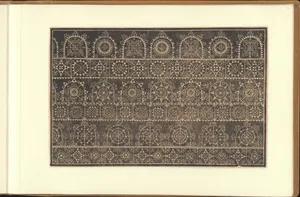
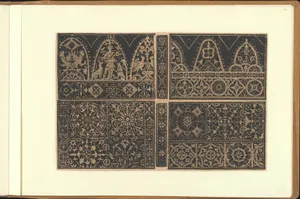
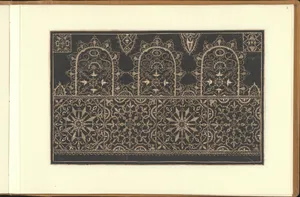
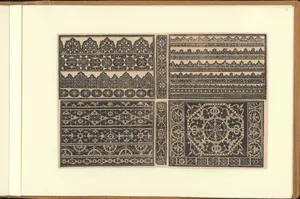
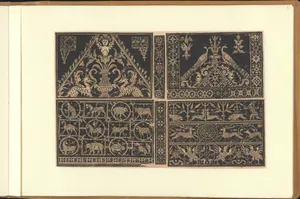
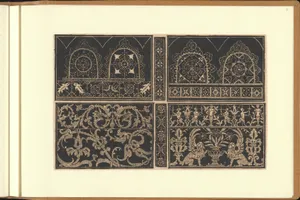
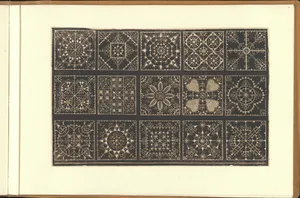
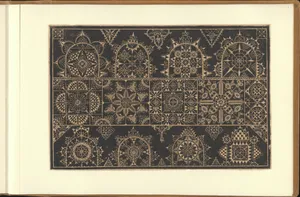
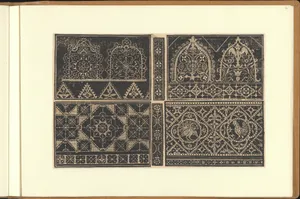
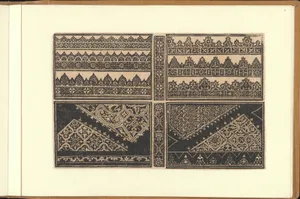
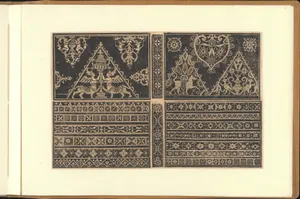
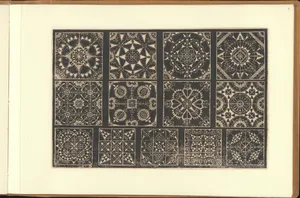
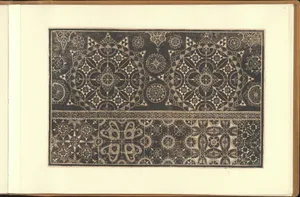
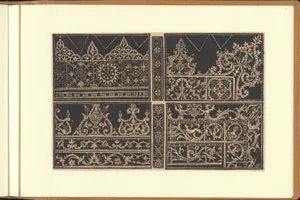
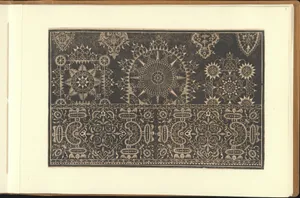
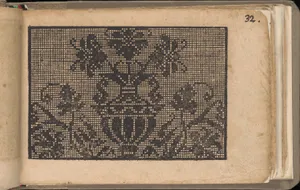
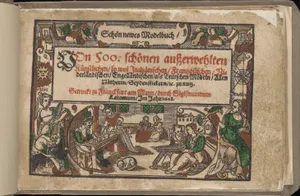
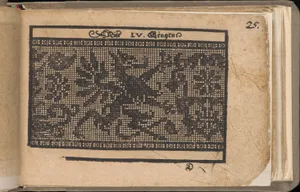
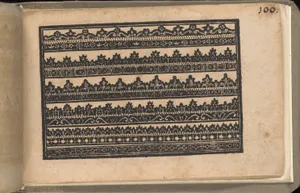
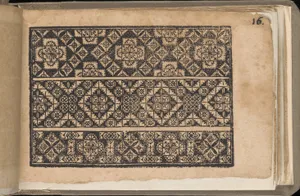
Latomus's most celebrated contribution is *Schön newes Modelbuch* ("Beautiful New Pattern Book"), first published in Frankfurt around 1608, with subsequent editions appearing by 1617. This comprehensive volume features an illustrated, hand-colored title page and approximately 94 to 104 leaves of woodcut designs for lace and embroidery, including 17 full-page illustrations and numerous vignettes. Pages showcase elaborate motifs such as florals, geometrics, and figural elements, compiled from international sources to provide practical templates for artisans. Today, over 116 individual designs from his oeuvre are preserved in collections, underscoring the book's enduring archival value.
Working in the tradition of Northern European graphic arts, Latomus's style emphasized precise, reproducible woodcuts that democratized complex patterns originally inspired by masters like Cesare Vecellio, Johann Sibmacher, and others including Ostaus, Schönsperger, Jobin, DaSera, and Güntel. His adaptations blended Italian, French, Netherlandish, English, and German influences, reflecting the cross-cultural exchange of the period. Though not a painter in the conventional sense, Latomus played a pivotal role in the applied arts, bridging design and craft during a time when lace and embroidery symbolized status and artistry.
Latomus's legacy endures in the study of textile history, where his pattern books offer invaluable insight into seventeenth-century lace-making techniques and fashion trends. Rare complete copies, such as one held by the Germanisches Nationalmuseum in Nuremberg, highlight the fragility and scarcity of these works, which fueled workshops across Europe and influenced generations of embroiderers. By compiling and disseminating these motifs, he preserved a visual language of ornament that continues to inspire modern designers and historians alike.