Ctrl K
1745–1801
Sigmund Freudenberger (1745–1801) was a Swiss painter and engraver renowned for his delicate Rococo scenes of rural life and everyday elegance. Born on June 16, 1745, in Bern to a lawyer father, he began his artistic training early as a portraitist. He apprenticed under the Swiss painter Emanuel Handmann before embarking on a formative trip to Paris around 1766 with his friend, the artist Adrian Zingg. There, Freudenberger immersed himself in the vibrant French art scene, working alongside masters François Boucher and Jean-Michel Moreau, whose influence infused his work with the graceful charm and refined lightness characteristic of Rococo.
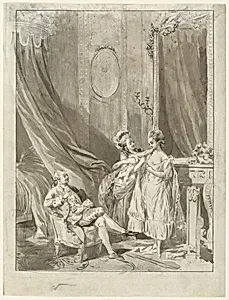
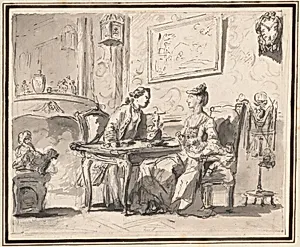
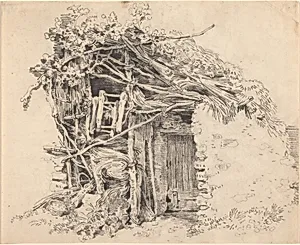
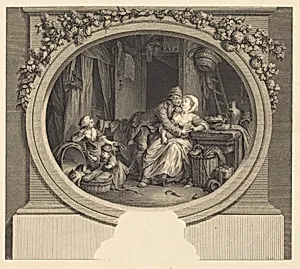
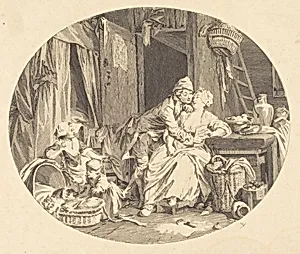
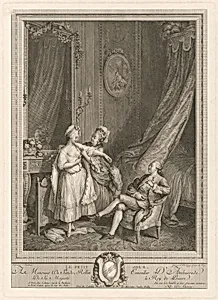
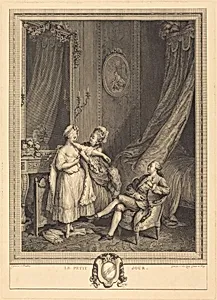
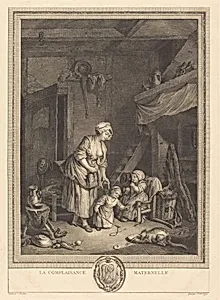
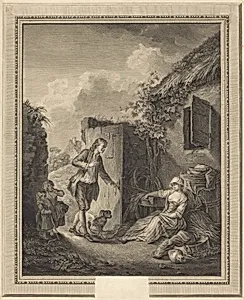
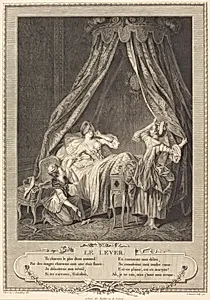
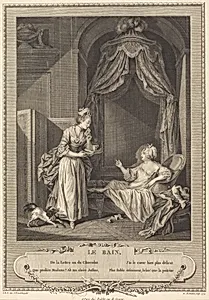
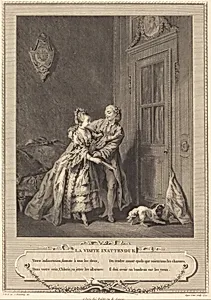
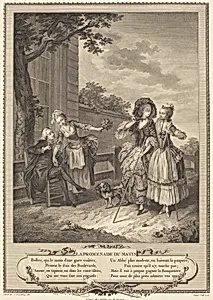
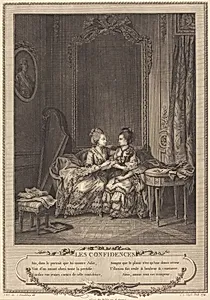
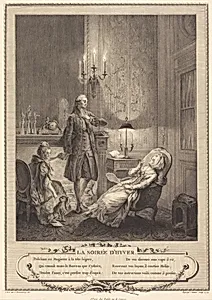
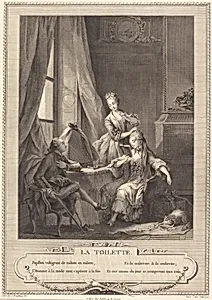
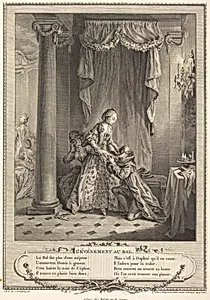
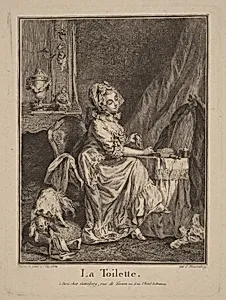
Upon returning to Bern, Freudenberger established himself as the city's preeminent artist, earning the affectionate nickname "Little Master" for his intimate, genre-like depictions of peasants, rustic interiors, and pastoral moments. His drawings and paintings, often executed in pen and ink with washes or gouache, captured an idyllic Swiss countryside with a French-inflected sophistication. Notable works include *Early Morning* (c. 1774), a luminous pen-and-ink scene with gray wash and graphite; *Conversation Piece* (1770s); and *La Toilette*, evoking the everyday rituals of 18th-century life. He also contributed French genre scenes to the publication *L’Histoire des Moeurs et du Costume des Français*, completing volumes before Moreau took over in 1773.
In 1786, Anton Hickel painted a portrait of Freudenberger, underscoring his prominence. He founded a private art school in Bern, nurturing the next generation of Swiss artists and cementing his legacy as a bridge between Swiss regionalism and international Rococo elegance. Comparable to Watteau and Boucher in finesse, Freudenberger's oeuvre—spanning drawings, engravings, and oils—remains celebrated in collections like the National Gallery of Art, where dozens of his works preserve his whimsical, humane vision of 18th-century Europe.