
Ctrl K
**Simon-Charles Miger (1736–1828)** was a French engraver renowned for his precise portrait work and contributions to natural history illustration. Born in Nemours on 19 February 1736, he initially pursued various occupations including teaching and secretarial roles before dedicating himself to engraving. He apprenticed under the influential Charles Nicolas Cochin and trained in the workshop of Johann Georg Wille, developing exceptional skill in reproductive prints that captured the nuances of paintings by leading artists of his era.
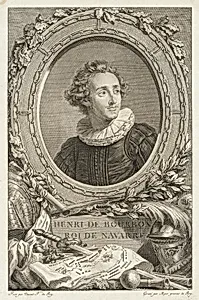
Miger’s career advanced steadily within the French art establishment. He was accredited by the Académie royale de peinture et de sculpture in 1778 and elected a full member in 1781. His output included numerous portraits, often executed as etchings and engravings after contemporary painters. Notable among these are his 1786 prints after François-André Vincent, such as depictions of Marguerite de France and Henri de Bourbon, Roi de Navarre, which exemplify his ability to translate painted compositions into finely detailed graphic works.
His most celebrated project came in 1800 when he was commissioned, alongside Bernard Germain de Lacépède, to produce the plates for *La Ménagerie du Muséum national d’histoire naturelle*. These engravings of animals from the Jardin des Plantes combined scientific accuracy with artistic refinement and remain important documents of early 19th-century natural history. Miger continued working into advanced age, producing both images and occasional verse until shortly before his death in Paris on 28 February 1828.
Miger’s legacy lies in bridging fine art engraving with scientific documentation during a turbulent period that included the French Revolution and the Napoleonic era. His prints after masters like Vincent helped disseminate important paintings, while his menagerie series contributed to the visual record of natural sciences. Though his personal life included a long courtship before marriage, his professional dedication ensured his place among the respected engravers of the late ancien régime and early modern France.