Ctrl K
1590–1647
Simon de Passe (c. 1595–1647), born in Cologne to the renowned Dutch engraver and publisher Crispijn van de Passe the Elder and his wife Magdalene, grew up in a family dynasty of printmakers who had fled Antwerp due to religious persecution as Anabaptists. The second son among five siblings—four of whom became engravers, including brothers Crispijn II and Willem, and sister Magdalena—he trained under his father, producing early works dated from 1612 while the family operated from Utrecht. Working in the commercial engraving workshop tradition rooted in Antwerp's Guild of Saint Luke, de Passe specialized in fine reproductive prints and portraits, often after designs by leading artists.
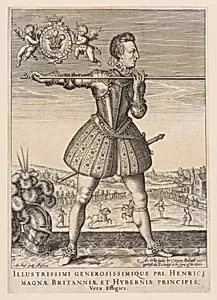
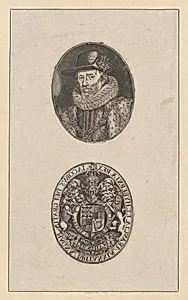
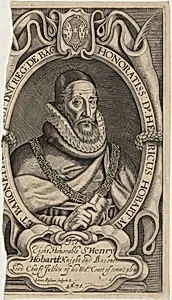
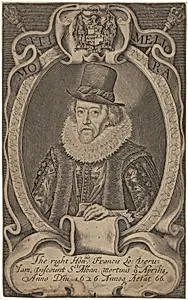
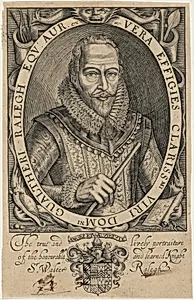
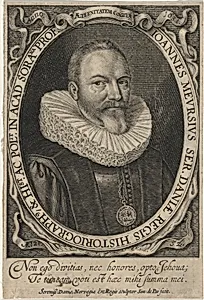
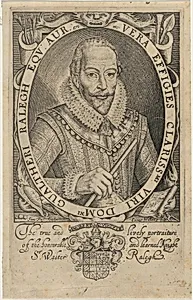
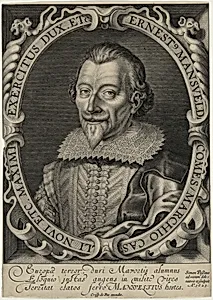
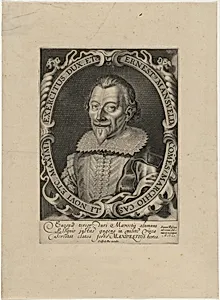
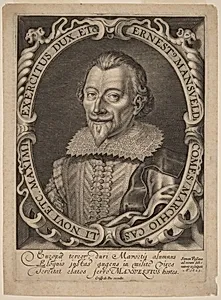
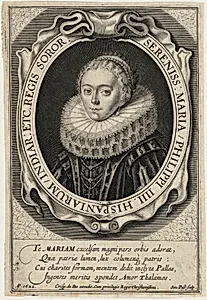
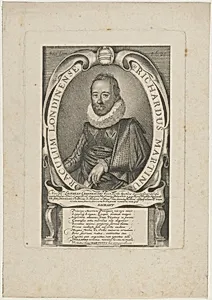
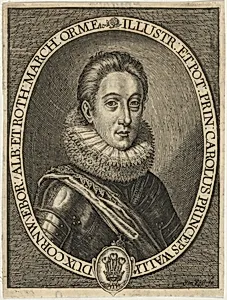
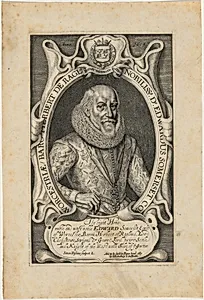
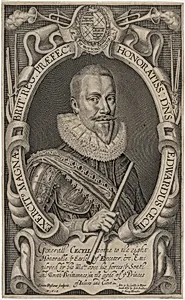
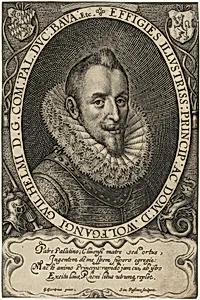
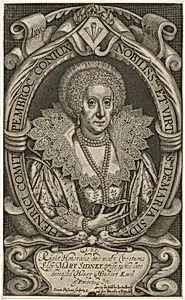
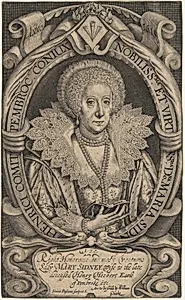
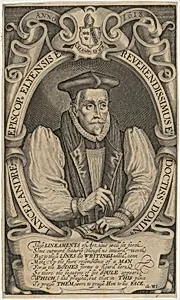
From 1615 to 1622, de Passe thrived in London, establishing a portrait engraving practice that catered to English nobility, royalty, and scholars. He contributed to Henry Holland's *Baziliologia* (1618), pioneered auricular-style frames, and innovated mass-produced engraved roundels resembling medals (1615–1618), collaborating with publishers like Compton Holland and Sudbury & Humble. Iconic works from this period include his celebrated portrait of Pocahontas at age 21 (1616), as well as engravings of Captain John Smith, Robert Carr Earl of Somerset, and contributors to the family-involved *Heroologia Anglica* (1620), a series of 65 English notables. A *Vanitas* print (1620) exemplifies his meticulous line work and moralistic themes.
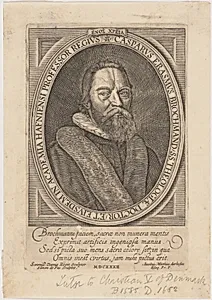
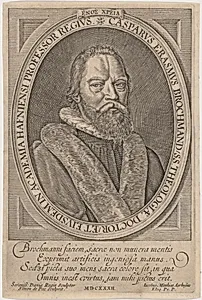
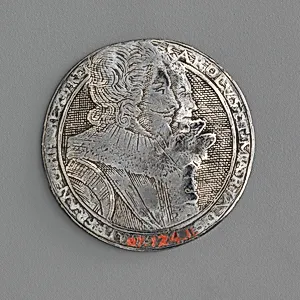
In 1624, after a brief return to Utrecht where he was baptized Mennonite, de Passe relocated to Copenhagen, securing a royal contract in 1625 as engraver to King Christian IV of Denmark and designer of medals for the university. He remained there until his death, directing ambitious projects like the 1637–1639 Kronberg series of 84 drawings chronicling Danish history for castle decoration, and producing medallions such as one of Elector Frederick V (c. 1620s). His final dated plate appeared in 1646.
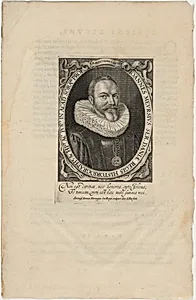
De Passe's legacy endures through his technical innovations and the vast output of the van de Passe workshop, with prints preserved in institutions like the National Portrait Gallery and British Museum. As a bridge between Dutch precision and international patronage, his portraits captured the era's luminaries, blending exquisite detail with dynastic ambition.