Ctrl K
1870–1920
**W. Duke, Sons & Co.: Pioneers of Chromolithographic Trade Card Art**
W. Duke, Sons & Co., an American tobacco manufacturer, emerged from the entrepreneurial vision of Washington Duke (1820–1905) and his sons in Durham, North Carolina. After the Civil War, Washington abandoned farming in 1874 to join his eldest son, Brodie L. Duke, in the burgeoning tobacco trade, establishing a factory that formalized as W. Duke, Sons & Co. in 1878 with sons Benjamin N. Duke, James B. "Buck" Duke, and Brodie. Under James B. Duke's aggressive leadership from the early 1880s, the firm pivoted to mass-produced cigarettes, opening a New York branch and revolutionizing marketing amid fierce competition. By 1890, it anchored the formation of the American Tobacco Company trust, cementing its dominance until antitrust dissolution in 1911.
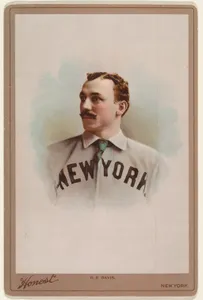
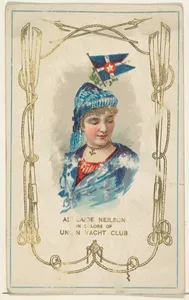
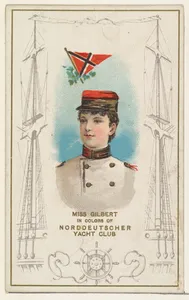
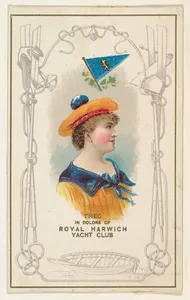
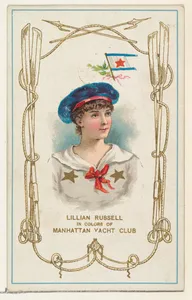
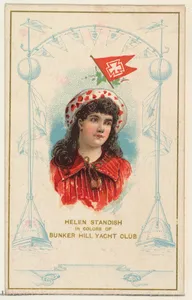
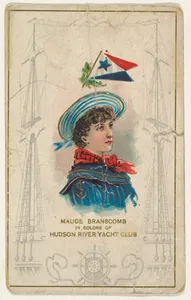
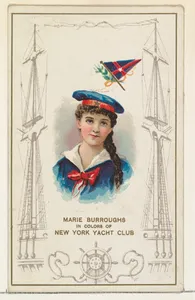
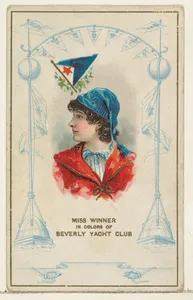
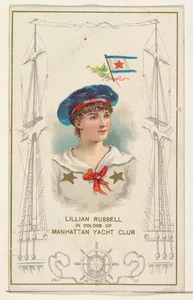
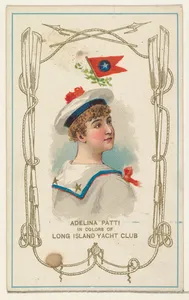
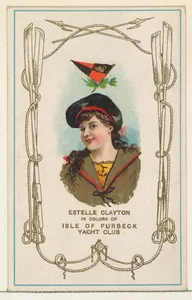
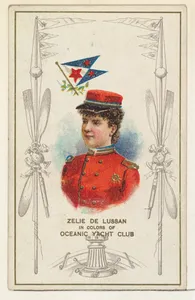
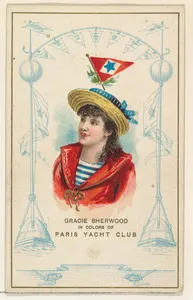
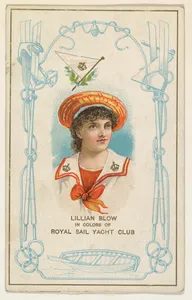
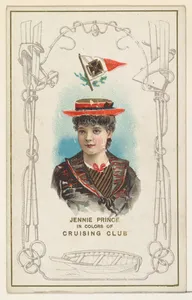
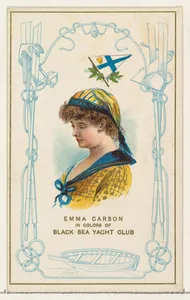
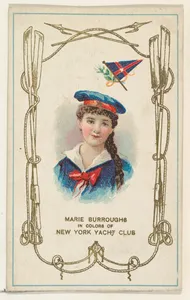
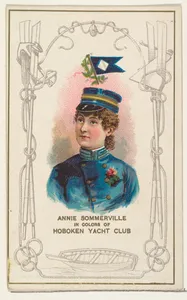
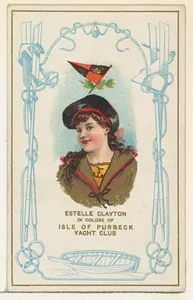
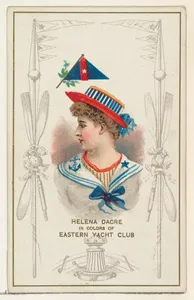
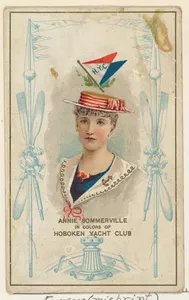
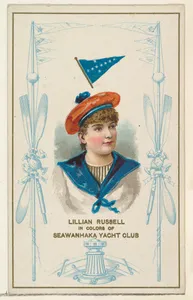
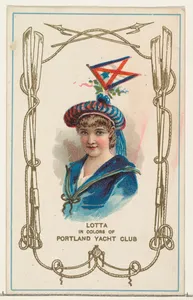
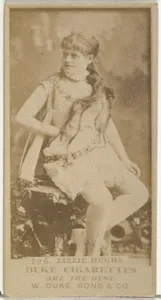
The company's enduring artistic legacy lies in its innovative use of chromolithographed trade cards, inserted into cigarette packs from the late 1880s to promote brands like Cameo Cigarettes, Honest Long Cut Tobacco, and Duke of Durham Smoking Tobacco. These vibrant, collectible cards—often printed by lithographers such as Donaldson Brothers—captured Victorian-era aesthetics with bold colors, intricate details, and thematic series reflecting popular culture: actors and actresses, sea captains, musical instruments, and generals' biographies. Produced between 1875 and the 1940s but peaking in the 1880s–1890s, they served dual purposes: stiffening flimsy packages and enticing collectors with sets like N84 Playing Cards (1888, 53 cards), N145-4 Actors and Actresses, N127 Sea Captains by Christoph Leist (1888), N82 Musical Instruments (1888), N114 Histories of Generals (1888), N116 Illustrated Songs, and N76 Great Americans (1888).
Spanning over 2,200 known examples in major collections, these cards transcend advertising ephemera to chronicle turn-of-the-century icons—from boxer Jack Johnson and Martha Washington to global rulers and costumes of nations—offering vivid snapshots of humor, celebrity, and cultural norms. Duke University's digital archive preserves over 1,800 cards plus scrapbooks, while the Metropolitan Museum of Art holds hundreds, underscoring their value as accessible folk art that democratized collecting and fueled the ephemera market. Though the company dissolved amid trust-busting, its cards endure as masterful examples of commercial lithography, blending commerce with captivating visual storytelling. (312 words)