Ctrl K
1771–1856
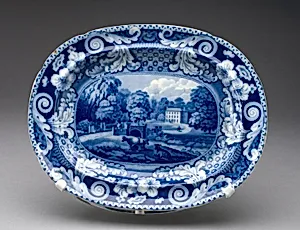
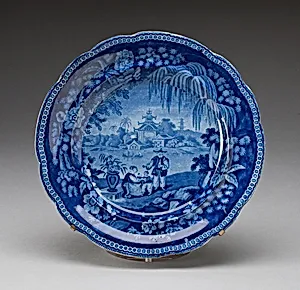
The Staffordshire Potteries, the collective designation for the vibrant ceramic industry centered in the six towns of Burslem, Fenton, Hanley, Longton, Tunstall, and Stoke-upon-Trent in Staffordshire, England, represented the pinnacle of British earthenware production during its flourishing period from 1771 to 1856. This era marked the height of mass-produced pottery, fueled by abundant local resources like clay, coal, flint, and lead, enabling the region to dominate global ceramics export. Potters trained rigorously through apprenticeships in family-run factories, often beginning as children in roles from clay preparation to molding and glazing, passing skills across generations in firms like those of the Woods, Spode, and Wedgwoods. Innovations such as John Astbury's creamware refinement around 1720 evolved into pearlware and bone china, with transfer printing revolutionizing decoration for affordable, vivid designs.
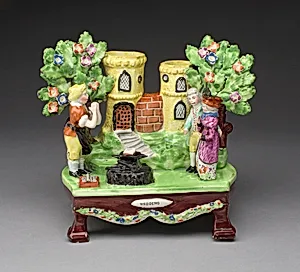
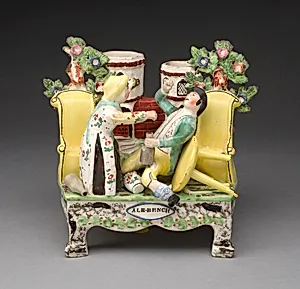
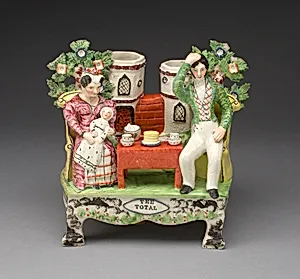
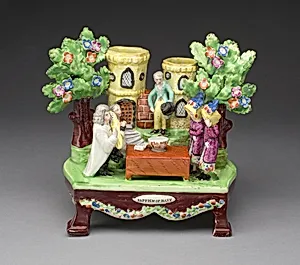
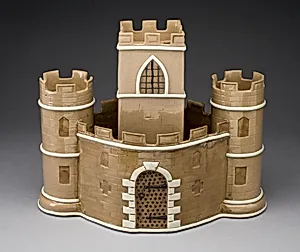
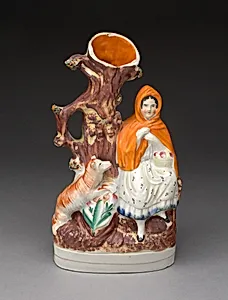
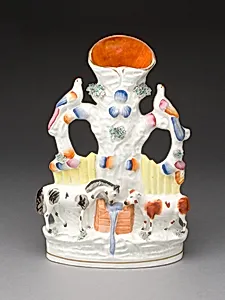
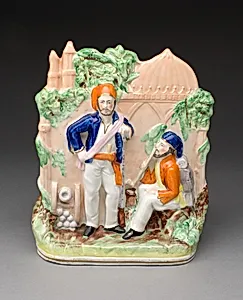
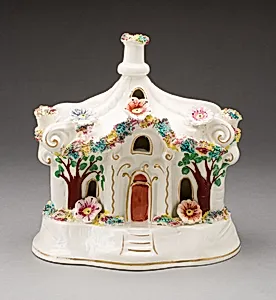
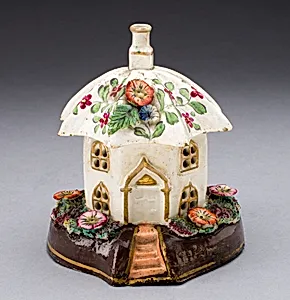
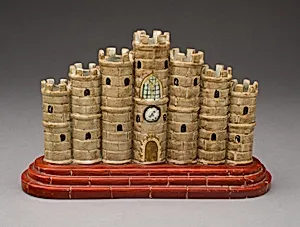
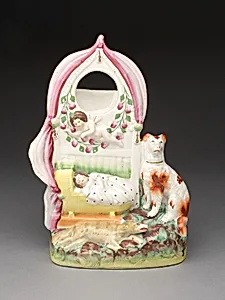
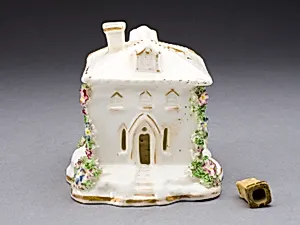
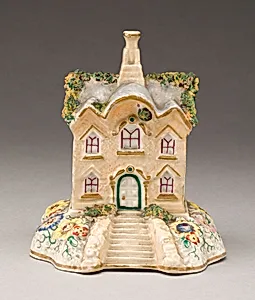
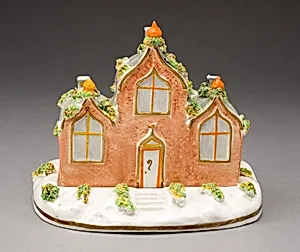
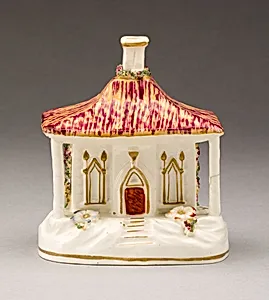
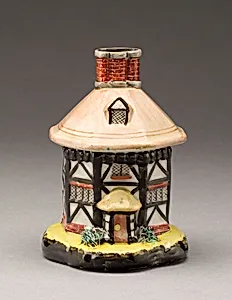
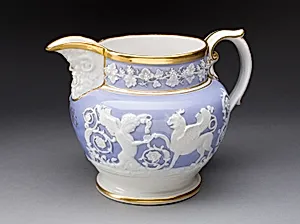
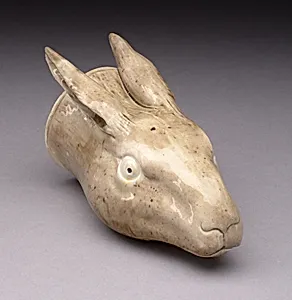
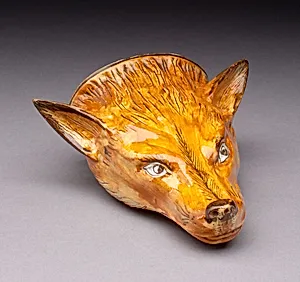
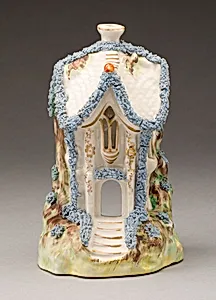
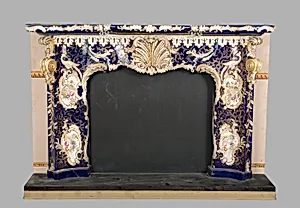
Artistically, Staffordshire Potteries excelled in the folk art tradition of figurative earthenware, producing whimsical, colorful glazed figures standing 6 to 18 inches tall. These captured the era's zeitgeist: spill vases, mantel ornaments, and character groups depicting royalty like Queen Charlotte, celebrities such as actor John Liston as Paul Pry, military heroes, pastoral scenes, and beloved animals like spaniel dogs. Charles James Mason (1791–1856), operating from Fenton’s Lane Delph, patented Ironstone China in 1813—a durable, porcelain-like white earthenware that became a hallmark, used for everything from platters to elaborate mantels like the polychrome-glazed example at the Art Institute of Chicago (c. 1830–1845). Enoch Wood (1759–1840) contributed finely modeled portrait figures in Burslem, blending neoclassical influences with everyday whimsy.
The legacy of Staffordshire Potteries endures as a testament to industrial artistry, with over 500 factories by the mid-19th century churning out millions of pieces for homes worldwide. Their naive charm and historical vignettes—reflecting abolitionism, Napoleonic fervor, and Victorian sentiment—make them prized today as social documents. Though production waned post-1856 amid global competition, these 52 works in the collection exemplify the movement's joyful fusion of utility and storytelling, cementing Staffordshire's role in democratizing art.