Ctrl K
1453–1520
**Sultan Ali Mashhadi (c. 1453–1520)** was one of the most celebrated Persian calligraphers of the late Timurid period and a master of the nastaʿliq script. Born in Mashhad, he lost his father at the age of seven and began practicing calligraphy on his own as an autodidact. Around 1468 he moved to Herat, where he received formal training from the calligrapher Azhar or one of Azhar’s students.
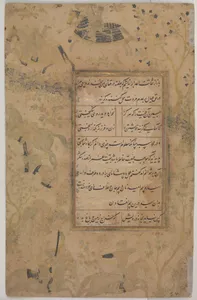
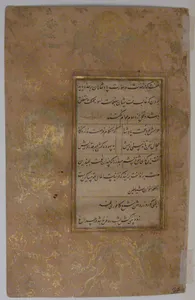
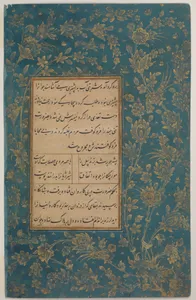
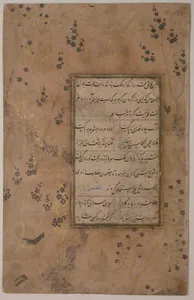
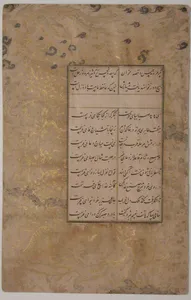
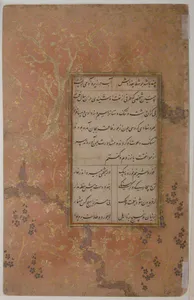
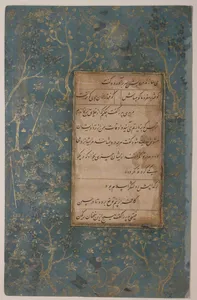
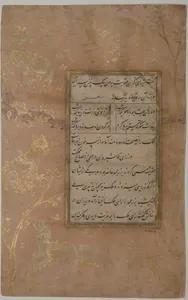
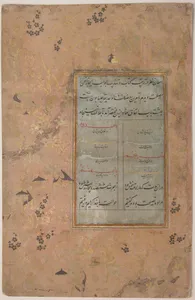
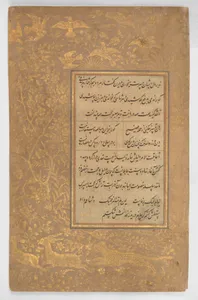
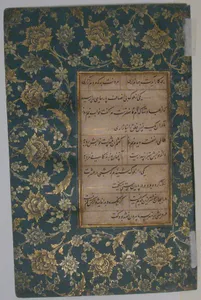
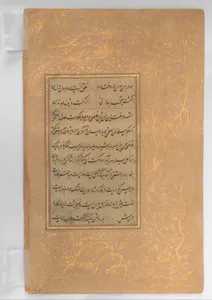
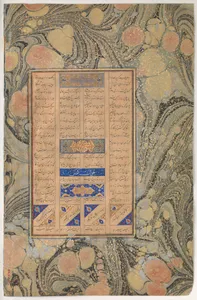
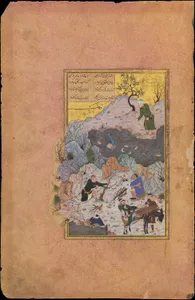
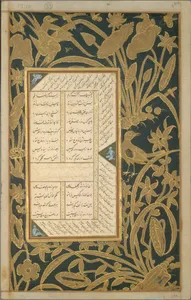
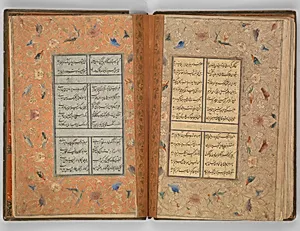
From about 1470 onward, Sultan Ali worked in the prestigious Timurid court ateliers of Herat, serving the bibliophile ruler Sultan Husayn Bayqara (r. 1469–1506) and his close companion ʿAli-Shir Navaʾi. He produced some of the finest manuscripts of the era, including a copy of Saʿdi’s *Gulistan* (1486), ʿAttar’s *Mantiq al-tayr* (1487), and Saʿdi’s *Bustan* (1488). His elegant, flowing nastaʿliq became the classical standard; contemporaries praised it as “the sun among other planets,” and he earned the titles “Sultan of Calligraphers” and “Qeblat al-Kottab” (Beacon of Scribes).
In 1510 Sultan Ali retired to his native Mashhad. Four years later he composed the verse treatise *Sirat al-sutur* (The Path of Writing), which likened calligraphic discipline to spiritual practice and codified technical rules for the script. He trained dozens of pupils who carried his style into Safavid workshops across Iran and beyond.
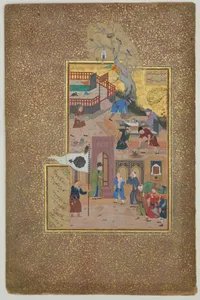
Sultan Ali Mashhadi’s legacy endures in the refined nastaʿliq that dominated Persian, Ottoman, and Mughal calligraphy for centuries. His surviving works—now held in major collections such as the Metropolitan Museum of Art and the National Museum of Asian Art—continue to exemplify the golden age of Timurid book arts and the pinnacle of Persian calligraphic achievement.