
Ctrl K
1615–1715
**Suzan Rey** (also known as Suzan Dit Rey) was a French medallist active in the late seventeenth and early eighteenth centuries. She died in 1715. Her career centered on the intricate craft of medal-making, producing small-scale bronze works that combined portraiture with symbolic or allegorical imagery.
Rey’s medals are distinguished by their exceptional detail and realism, qualities that set her apart in an era when such objects served both commemorative and collectible purposes. She frequently depicted prominent religious and noble figures, capturing their likenesses with precision while incorporating architectural or narrative elements on the reverses. No records of her formal training or mentors survive, yet her technical mastery suggests deep familiarity with the conventions of European medal production during the Baroque period.
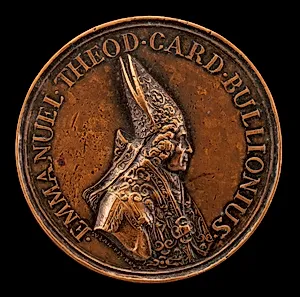
Two notable works from 1700 illustrate her skill and are preserved in the collection of the National Gallery of Art in Washington, D.C. One is the obverse of a medal portraying Emmanuel Théodose de La Tour, Cardinal de Bouillon (1644–1715). The other is the reverse of a “Jubilee Door” medal, featuring a relief of a ceremonial doorway flanked by columns. These bronzes, each roughly 5.6 centimeters in diameter, exemplify the intimate scale and refined execution typical of her output.
Although biographical details about her early life remain sparse, Rey’s medals were evidently prized by contemporary collectors. Her ability to merge historical portraiture with allegorical depth contributed to the enduring appeal of medal art as a sophisticated form of miniature sculpture. Today her surviving pieces offer valuable insight into the artistic and cultural priorities of early eighteenth-century France.
![Jubilee Door [reverse]](https://images.artheonmuseum.org/nga/thumb/jubilee-door-reverse-nga-103313.webp)