Ctrl K
1679–1748
Tachibana Morikuni (1679–1748) was a prominent Japanese painter, print artist, and illustrator active in Osaka during the Edo period. Born into the Naramura family with personal names including Sōbei and Chikara, he also used artist names such as Uzei, Gosoken, and Benji. He is best known for his versatile contributions to woodblock-printed illustrated books that combined educational content with artistic excellence.
Morikuni trained in the Kano school tradition, studying under Tsuruzawa Tanzan, a direct pupil of the renowned Kano Tan’yū. This lineage shaped his command of the Kano style’s bold brushwork and decorative elegance, while he also mastered elements of the Tosa school’s more delicate, narrative approach. His work often bridged these traditions, producing detailed illustrations that emphasized realism and intricate compositions.
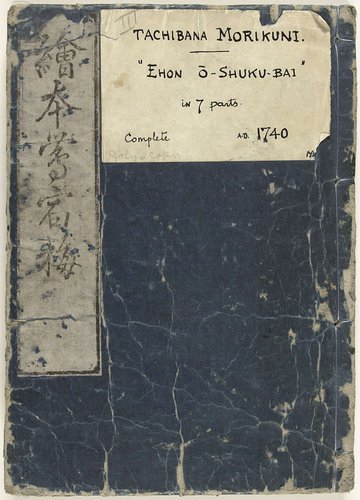
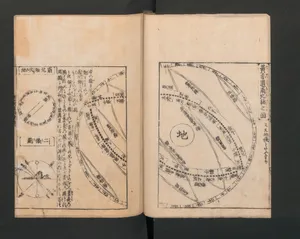
Among his major achievements are several influential illustrated books, including *Morokoshi kinmo zui* (1719), an encyclopedia of Chinese knowledge; *Ehon shaho bukuro* (1720); and *Unpitsu soga* (Moving Brush, Rough Paintings). He also created *A Beginner’s Pictorial Encyclopedia of Natural History*, showcasing his skill in depicting flora, fauna, and everyday subjects with clarity and charm. These publications, many issued in Osaka, served both as practical references and as art objects for a growing audience of literate townspeople.
Morikuni’s legacy endures through his role in popularizing accessible, high-quality illustrated books that blended scholarly content with fine art. His prints and paintings are held in major collections, including the British Museum and the Metropolitan Museum of Art, where they continue to illustrate the vibrant artistic culture of 18th-century Osaka.