Ctrl K
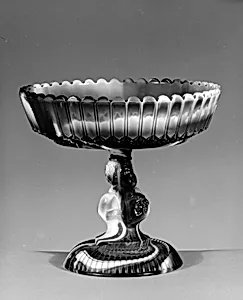
1866–1891
Challinor, Taylor and Company was an American pressed glass manufacturer founded in 1866 and based in Tarentum, Pennsylvania, a community along the Allegheny River that was home to several of the nineteenth century's most innovative glassmakers. The firm operated until 1891, when it was absorbed into the United States Glass Company as Factory C — part of the great industrial consolidation that reshaped American glassmaking at the close of the Victorian era.
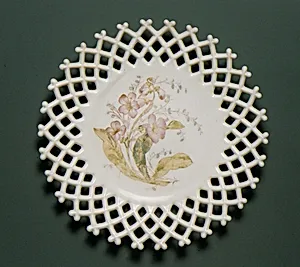
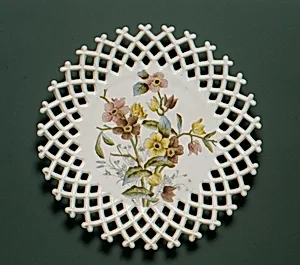
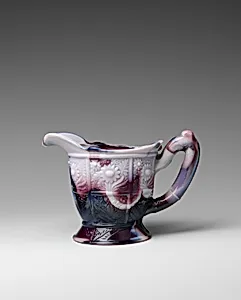
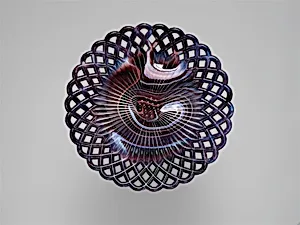
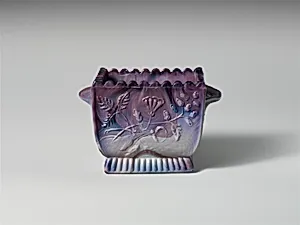
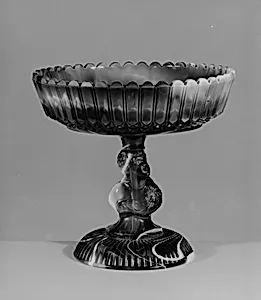
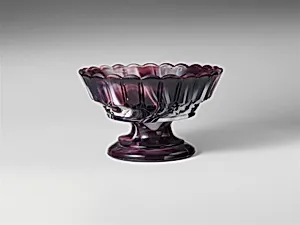
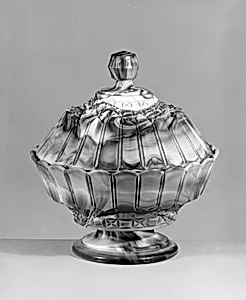
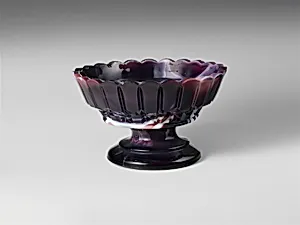
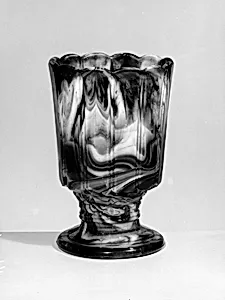
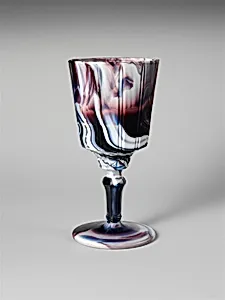
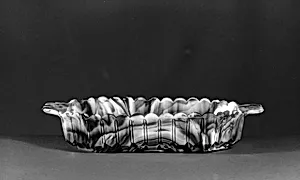
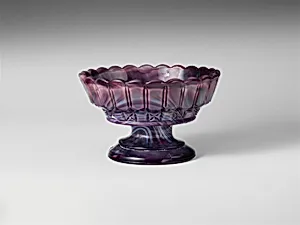
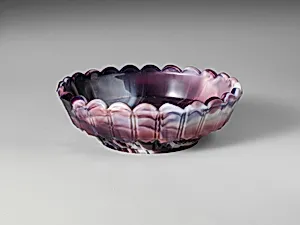
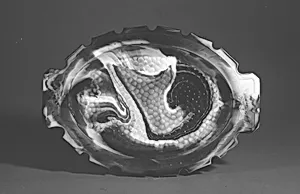
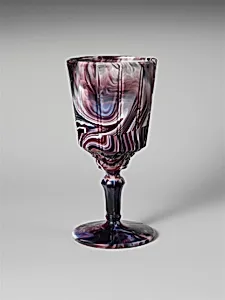
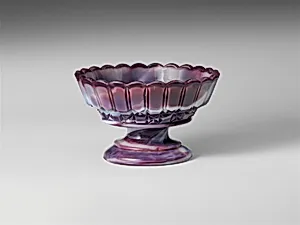
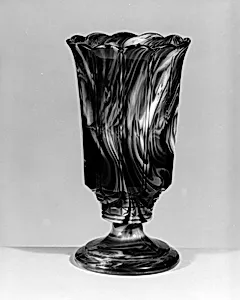
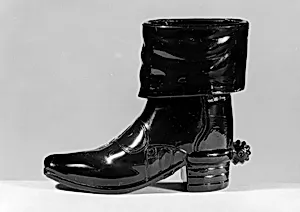
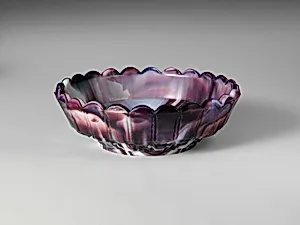
The company distinguished itself through its mastery of pressed glass production and, in particular, through its development of decorative "marble" or "slag" glass, a distinctive material produced by swirling different colors of glass together to create dramatic mottled effects reminiscent of natural stone. This technique was patented in the United States by David Challinor in 1886, and the resulting purple marble glass became a signature product of the firm. Challinor, Taylor and Company produced a wide range of domestic table and decorative wares in this material, including compotes, pitchers, goblets, plates, waste bowls, celery vases, and covered dishes — the last of which were often formed in novelty animal shapes including hens, roosters, and ducks in opalescent and milk glass. The company also worked in clear pressed glass across numerous patterns, ranging from geometric designs to more ornate Victorian motifs.
Works by Challinor, Taylor and Company are preserved in the collection of the Metropolitan Museum of Art, where examples include pieces in purple marble glass as well as clear pressed glass forms. Their products represent the height of American Victorian decorative glass — industrially produced yet rich in color, pattern, and tactile interest — and are actively collected by specialists in early American pressed glass. The firm's innovations in marbled glass ensured its lasting significance in the history of American decorative arts.