Ctrl K
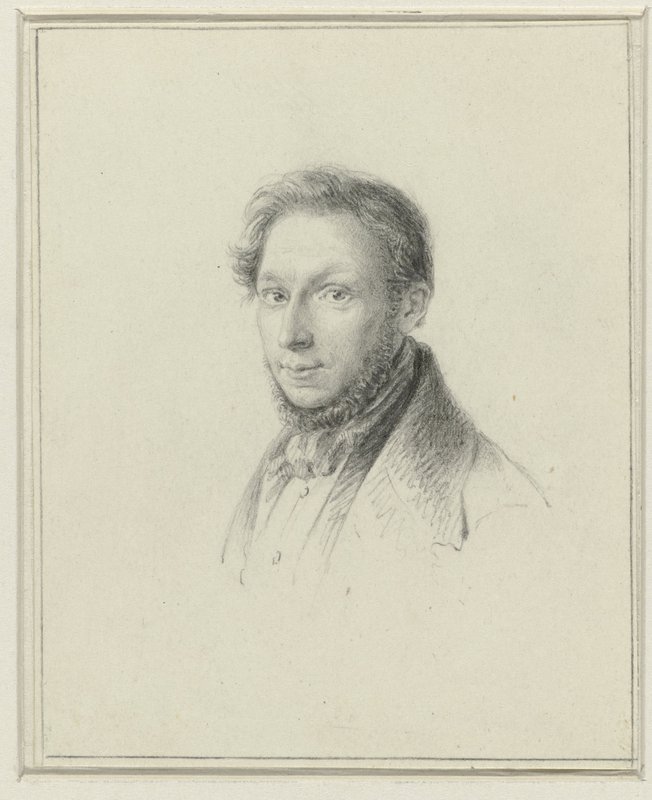
1805–1879
Occupations
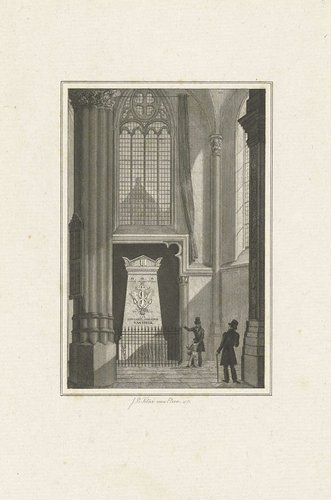
Jan Baptiste Tetar van Elven (1805–1879) was a Dutch Romantic painter who specialized in meticulously rendered church interiors, a genre with deep roots in Dutch artistic tradition extending back to the seventeenth-century masters Pieter Saenredam and Emanuel de Witte. Working during the nineteenth century when Romanticism's fascination with Gothic architecture and medieval spirituality coincided with growing interest in preserving and documenting historic buildings, Tetar van Elven created paintings that combined archaeological accuracy with atmospheric effects, serving both as aesthetic objects and as visual records of ecclesiastical architecture.
Jan Baptist Tetar van Elven was born in 1805, during the Napoleonic period when the Netherlands was under French control as part of the Kingdom of Holland and later incorporated directly into the French Empire. He received his artistic education at the academies of Antwerp and Brussels, both important centers for art instruction in the Low Countries. Antwerp, with its Royal Academy of Fine Arts founded in 1663, had long traditions of artistic training, while Brussels was becoming increasingly important as the cultural capital of the newly independent Kingdom of Belgium (established 1830).
The academic training Tetar van Elven received emphasized drawing as the foundation of all visual arts, study of Old Master paintings, understanding of perspective and architectural rendering, and mastery of oil painting technique. For an artist intending to specialize in architectural interiors, particularly church interiors, training in perspective was especially crucial, as convincing representation of complex architectural spaces required sophisticated understanding of linear perspective, atmospheric perspective, and the play of light through interior spaces.
Tetar van Elven established himself as one of the Dutch Romantic painters specializing in church interiors, joining a tradition that extended back to the Dutch Golden Age. In the seventeenth century, painters like Pieter Saenredam and Emanuel de Witte had created remarkable paintings of Dutch Protestant church interiors, combining architectural precision with subtle atmospheric effects. Tetar van Elven worked in this tradition but brought nineteenth-century Romantic sensibilities to the genre, emphasizing the spiritual and emotional resonance of ecclesiastical spaces.
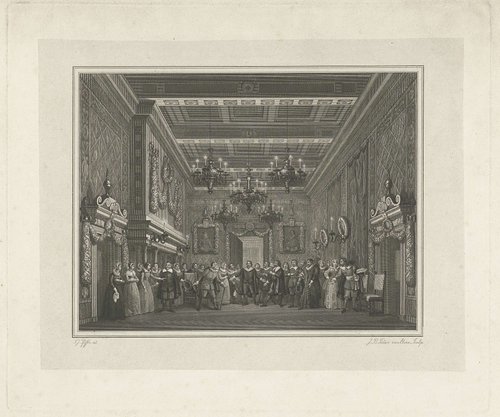
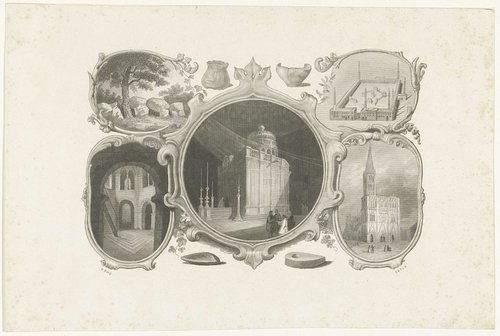
His church interior paintings typically depicted both Protestant and Catholic churches, showing the architectural spaces with careful attention to structural details, decorative elements, and the effects of light filtering through windows and illuminating stone, wood, and tile surfaces. Beyond the architecture itself, Tetar van Elven included small figures of worshippers, clergy, or visitors, giving scale to the spaces and suggesting the human activities that gave these buildings purpose and meaning.
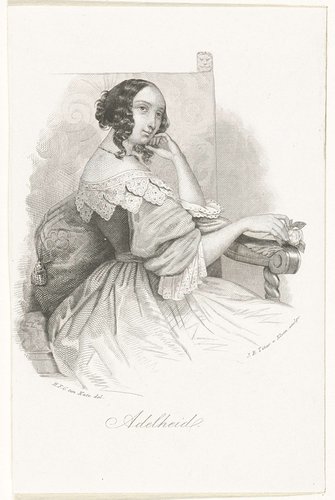
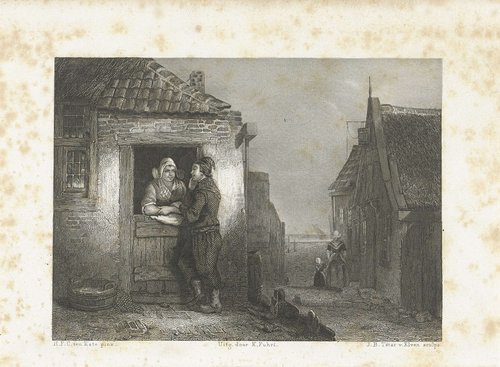
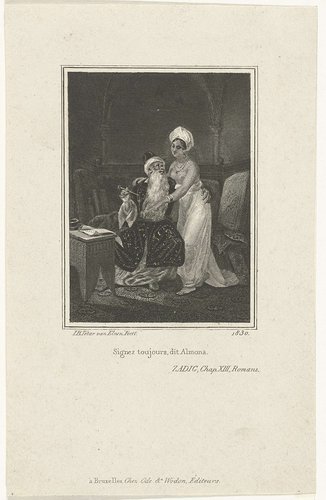
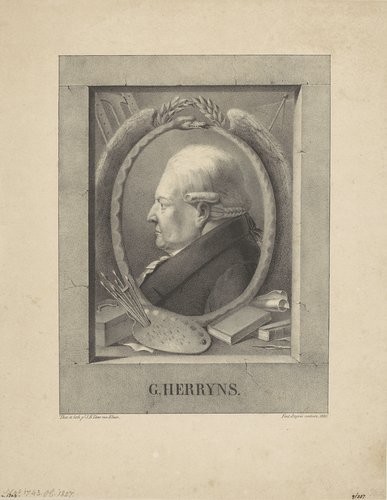
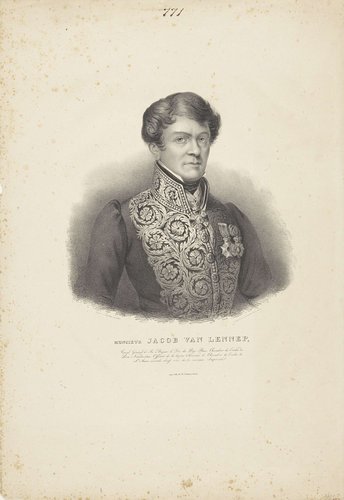
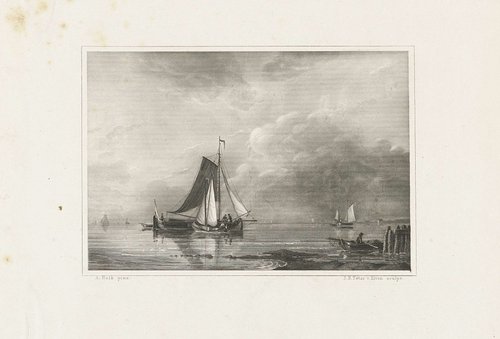
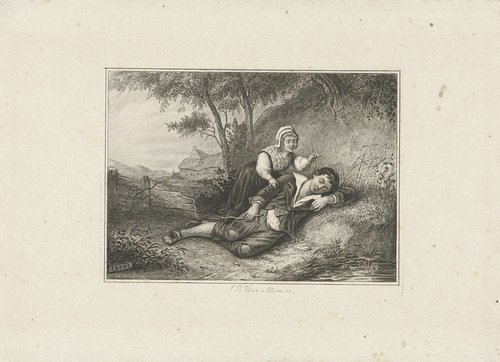
While church interiors were his primary specialty, Tetar van Elven also painted cityscapes, genre scenes, and portraits, demonstrating versatility within the Romantic tradition. His cityscapes documented urban environments, his genre scenes depicted contemporary life, and his portraits captured individual likenesses. However, it was his church interiors that brought him the greatest recognition and for which he is primarily remembered.
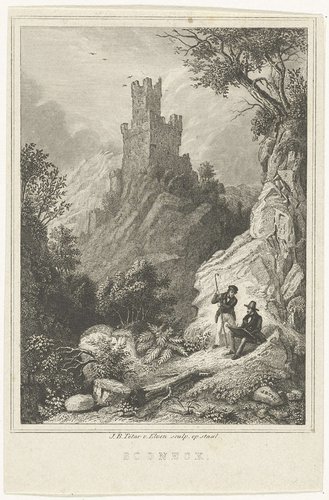
His paintings typically showed churches from the Low Countries—both his native Netherlands and Belgium—though he may also have depicted churches encountered during travels. These works served multiple purposes in nineteenth-century culture: they appealed to Romantic sensibilities drawn to Gothic architecture and religious atmospheres, they documented important architectural heritage at a time of growing historic preservation consciousness, and they continued the distinguished Dutch tradition of architectural painting.
Tetar van Elven typically signed his works with his initials 'J.B.T.V.E' and worked primarily in oil on panel or canvas. His paintings have appeared at auction houses like Bonhams and are held in various collections, though he never achieved the level of fame of some contemporaries. His works were appreciated by connoisseurs for their technical sophistication and atmospheric qualities, appealing to educated audiences with interest in architecture, history, and the Romantic aesthetic.
Jan Baptiste Tetar van Elven died in 1879, having maintained his specialized practice throughout a career spanning approximately four decades. His younger half-brother, Paul Constantin Dominique Tetar van Elven (1823–1896), also became a painter, continuing the family's artistic tradition into a second generation.
Artheon Research Team
Last updated: 2025-11-09
Biography length: ~721 words
Wikidata/Wikimedia Commons