Ctrl K
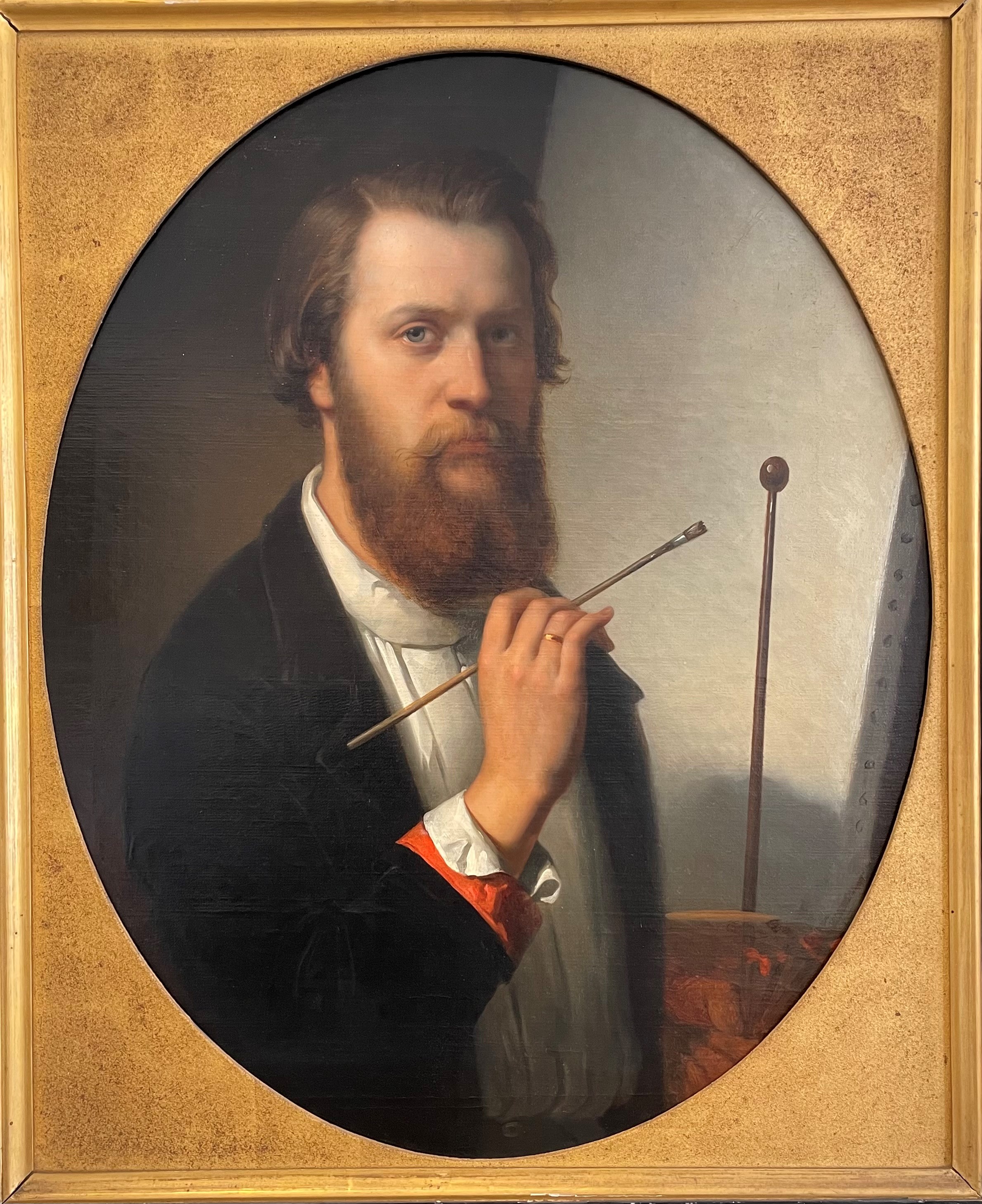
1823–1896
Occupations
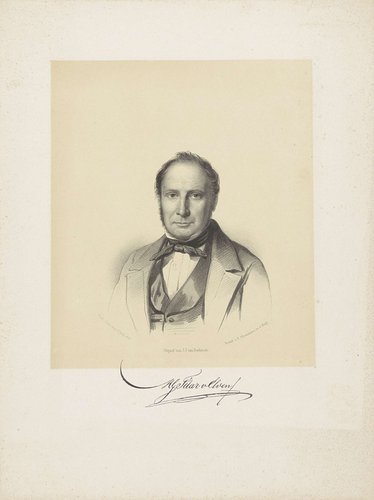
Paul Constantin Dominique Tétar van Elven (1823–1896) was a distinguished Dutch artist, art educator, and collector whose career exemplified the nineteenth-century ideal of the artist-scholar. Born in Antwerp to Dutch parents and dying in Scheveningen, Tétar van Elven achieved recognition both as a historical painter and as an accomplished copyist of Old Master works. Beyond his own artistic production, his most enduring legacy is the Museum Paul Tetar van Elven in Delft, housed in the grand canal-side property where he lived from 1864 to 1894. This museum preserves not only his own works and collections but also provides an extraordinary window into the life and aesthetic sensibilities of a prosperous nineteenth-century Dutch artist-teacher.
Paul Constantin Dominique Tétar van Elven was born on September 13, 1823, in Antwerp, Belgium, to Dutch parents. His father was Henricus Lambertus Tetar van Elven, and his mother was Dorothea Carolina de Hosson (his father's second wife); Paul was their youngest son. Growing up in an artistic family—his older half-brother Jan Baptiste Tetar van Elven (1805–1879) was also a painter—Paul received early encouragement in artistic pursuits.
Tétar van Elven continued his artistic studies at the prestigious Art Academies in Amsterdam and The Hague, receiving thorough training in academic painting methods. These institutions emphasized drawing from plaster casts and live models, studying Old Master paintings, mastering anatomy and perspective, and developing facility in oil painting. The curriculum prepared students both for careers as independent artists and for positions as teachers in the academy system.
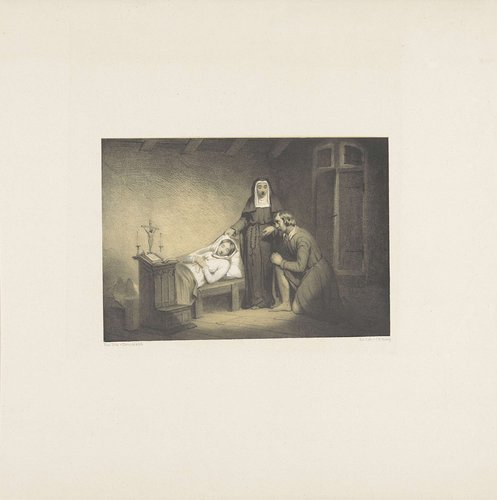
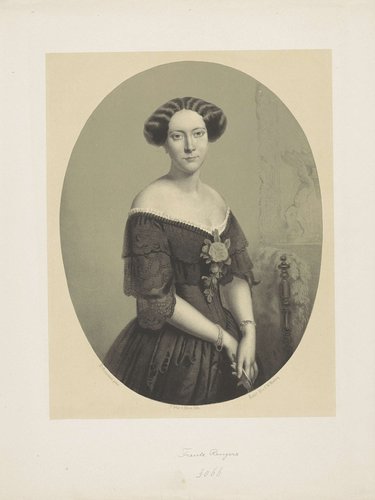
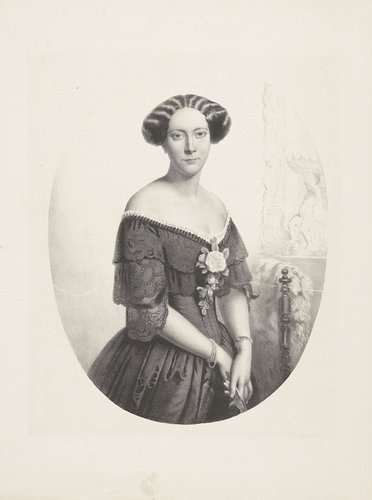
By 1850, Tétar van Elven had already begun achieving recognition as a painter of portraits and interior scenes, following fashions of the time. However, his chief interest lay in historical paintings—representations of key events in Dutch national history. This genre aligned with nineteenth-century nationalism and the project of constructing national identity through visual culture.
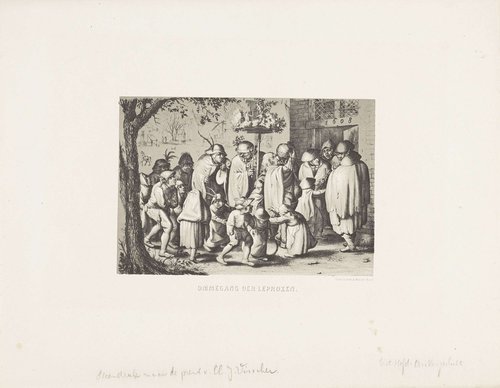
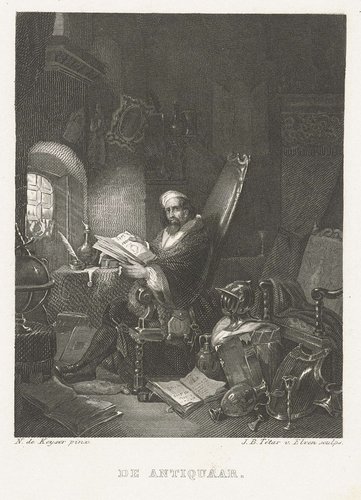
During this period, Tétar van Elven developed his dual reputation as both a creator of original historical paintings and as an extraordinarily skilled copyist of Old Master works. His ability to create faithful reproductions of paintings by Rembrandt, Vermeer, and other Dutch Golden Age masters brought him significant recognition. These copies served multiple purposes: they allowed museums and collectors to own versions of works in distant collections, they provided study materials for artists and students, and they helped establish Tétar van Elven's credentials as someone who had deeply studied and mastered the techniques of the great masters.
The practice of copying masterworks was integral to nineteenth-century artistic culture. Unlike modern attitudes that privilege originality above all, nineteenth-century artists and audiences valued technical mastery and the ability to work in multiple historical styles. For Tétar van Elven, copying was not mere reproduction but an act of deep engagement with artistic tradition, requiring comprehensive understanding of each master's techniques, materials, and aesthetic approach.
In 1864, Tétar van Elven received appointment as drawing master at the Polytechnic School in Delft, the forerunner of Delft University of Technology. This position provided professional stability and social status while allowing him to continue his own artistic work. Following his appointment, he purchased a grand canal-side property on the Koornmarkt in Delft, where he would live for the next thirty years.
He resided there first with his first wife, Louise Schmit. Following her death in 1884, he married his second wife, Mechelina van Duuren. The house became not merely a residence but a gesamtkunstwerk—a total work of art—carefully arranged to reflect Tétar van Elven's aesthetic sensibilities and to showcase his collections of art, decorative objects, and curiosities.
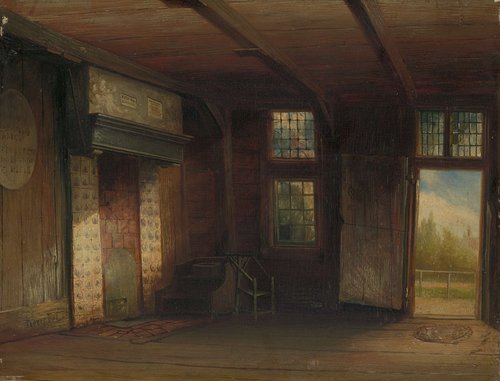
The interior of the house was arranged in the eclectic historicist style popular in the later nineteenth century, with rooms decorated in various historical styles and filled with artworks, antiques, Oriental ceramics, scientific instruments, and other collectibles. The house functioned as both a private residence and a semi-public space where Tétar van Elven could receive students, colleagues, and visitors, demonstrating his cultivation and connoisseurship.
During these Delft years, Tétar van Elven continued painting, creating both original historical works and copies of Old Masters. The house and its collections became inseparable from his identity as an artist-scholar-teacher, embodying the nineteenth-century ideal of the artist as an educated, cultivated individual deeply engaged with tradition while actively creating new work.
In 1894, after thirty years in the Koornmarkt house, Tétar van Elven moved to Scheveningen, where he died on February 28, 1896, at age seventy-two. Following his death, the house and its contents passed to his heirs but were eventually preserved as a museum.
The Museum Paul Tetar van Elven opened in 1927 in his former residence. The museum preserves the nineteenth-century interiors largely as Tétar van Elven arranged them, providing an extraordinary example of a nineteenth-century artist's house-museum. Visitors can see his copies of Rembrandt, Vermeer, and other masters displayed alongside his own original works, his collections of decorative arts and curiosities, and the carefully arranged period rooms that reflect Victorian aesthetic sensibilities.
The museum serves multiple functions: as a memorial to Tétar van Elven himself, as a document of nineteenth-century artistic taste and domestic life, and as a resource for understanding the practice of copying Old Masters and the role such copies played in nineteenth-century visual culture.
Artheon Research Team
Last updated: 2025-11-09
Biography length: ~862 words
Wikidata/Wikimedia Commons