Ctrl K
1648–1697
Occupations
Johannes (Johan) Teyler (1648–c.1709) was a Dutch Golden Age figure who achieved lasting significance not as a professional artist but as an innovative entrepreneur, mathematician, and promoter of color printmaking. Born in Nijmegen on May 23, 1648, Teyler was educated as a philosopher and mathematician and pursued a career as a military engineer rather than as a painter or printmaker. Nevertheless, from approximately 1685 to 1697, he organized and financed a printmaking workshop that produced some of the most technically innovative prints of the late seventeenth century—color prints created using the à la poupée technique, in which a single copper plate was inked with multiple colors to produce multicolor impressions in a single printing. Teyler's significance in art history resides precisely in his amateur status and entrepreneurial approach. Rather than working as a hands-on printmaker, he functioned as organizer, financer, and presumably artistic director of a workshop that employed professional artists and printmakers, including Jan van Call and Johan van den Aveele. This collaborative, workshop-based production model anticipated later commercial print publishing practices and demonstrated that sophisticated artistic production could be organized on entrepreneurial principles by someone outside the traditional artist-craftsman system. The prints produced by the Teyler workshop are immediately recognizable for their distinctive color printing technique. By inking different areas of a single copper plate with different colors—the à la poupée (rag doll) method, in which small fabric dabbers applied localized colors—the workshop created prints that combined the precise linear definition of engraving with the visual appeal of color. The workshop's output encompassed classical and mythological figures, Dutch and foreign townscapes and landscapes, natural history subjects (birds, flowers, insects, animals), and even military subjects (plans of encampments and marching orders). Though Teyler himself probably lived until around 1709, the workshop's documented production ceased after 1697, suggesting he had moved on to other interests or that the technical and commercial challenges of color printing proved unsustainable.
Johannes Teyler was born in Nijmegen on May 23, 1648, during the final phase of the Eighty Years' War that would secure Dutch independence. Nijmegen, located in the eastern Netherlands near the German border, was a significant fortified city with military importance—a circumstance that may have influenced Teyler's later career choice.
Unlike most artists of the period, Teyler received an academic education focused on philosophy and mathematics rather than art. This intellectual training reflected either family means sufficient to support university-level education or exceptional scholarly abilities that attracted patronage. The emphasis on mathematics proved particularly relevant to his later military engineering career, as that profession required sophisticated understanding of geometry, fortification theory, ballistics, and surveying.
Teyler pursued a career as a military engineer, a profession that combined practical construction skills with theoretical knowledge of fortification design, siegecraft, and military strategy. Military engineers were essential to seventeenth-century warfare, designing and building defensive works, conducting sieges, and advising commanders on tactical matters related to terrain and fortifications.
His work as a military engineer required travel to various locations in Holland and possibly abroad, as military campaigns and fortification projects took him where his expertise was needed. This professional activity occupied him through his thirties and into his forties, apparently providing sufficient income to support not just himself but also speculative ventures in other fields.
Around 1685, when Teyler was approximately thirty-seven years old, he embarked on an unusual sideline: organizing and financing a printmaking workshop. This workshop operated in various locations in Holland over approximately twelve years, producing color prints using the innovative à la poupée technique.
The à la poupée method involved taking a single engraved copper plate and inking different areas with different colors. Rather than inking the entire plate uniformly (as in standard monochrome printing), the printmaker used small fabric dabbers—the 'poupées' or rag dolls that gave the technique its name—to apply different colored inks to specific areas of the plate. When the plate was then printed, the single impression showed multiple colors.
This technique offered several advantages over other color printing methods. It was more efficient than printing from multiple plates (each inked with a single color and printed in precise registration), and it allowed for subtle color transitions and variations impossible with separate-plate printing. However, it also presented significant challenges: each impression had to be individually hand-inked with colors carefully placed, making the process labor-intensive and difficult to standardize.
Teyler himself was not a printmaker by training or profession. Instead, he functioned as the workshop's organizer, financer, and presumably artistic director—determining what subjects to produce, hiring the skilled artisans who actually created and printed the plates, providing capital for materials and equipment, and arranging for distribution and sale of the finished prints.
Among the artists and printmakers who worked with Teyler were Jan van Call and Johan van den Aveele, both professional artists who possessed the technical skills necessary to create the engraved plates and execute the complex color printing. The collaborative nature of the enterprise meant that attributing specific prints to individual hands is difficult—they are 'Teyler workshop' productions rather than works by a single artistic personality.
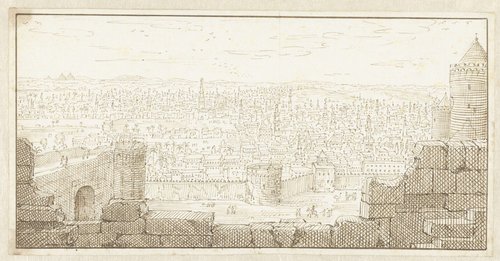
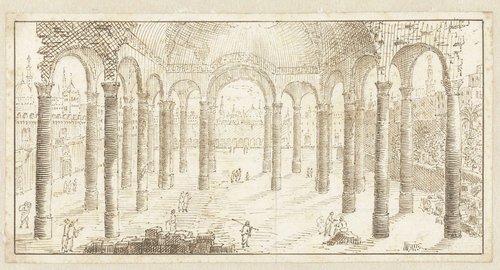
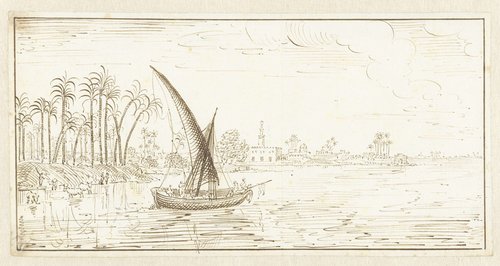
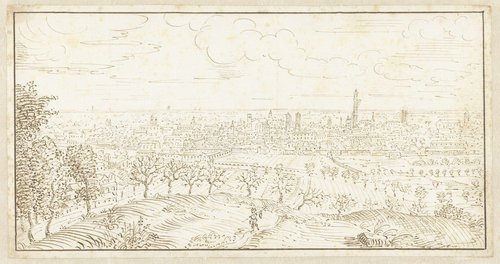
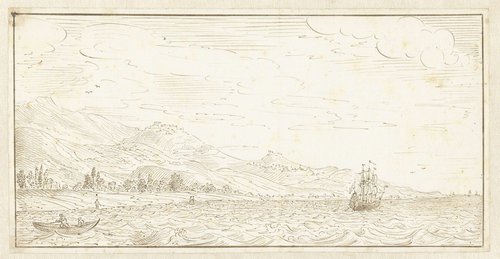
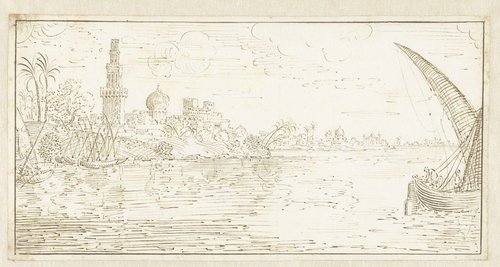
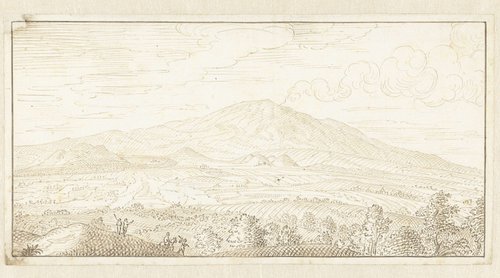
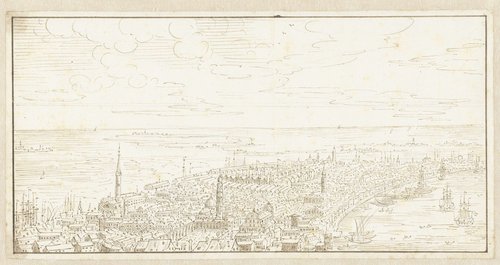
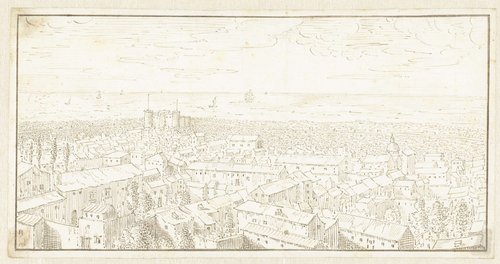
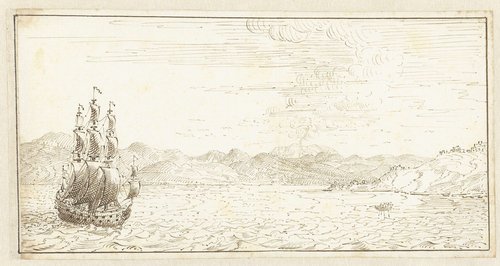
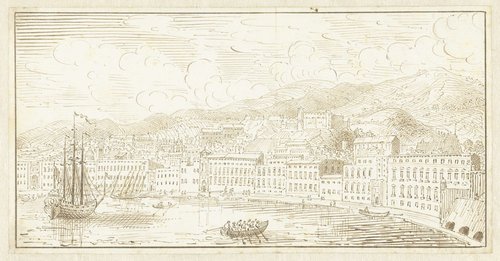
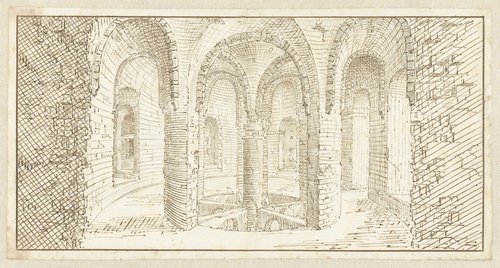
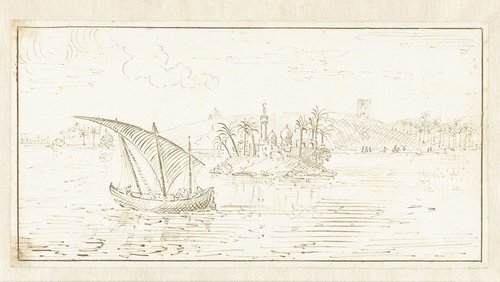
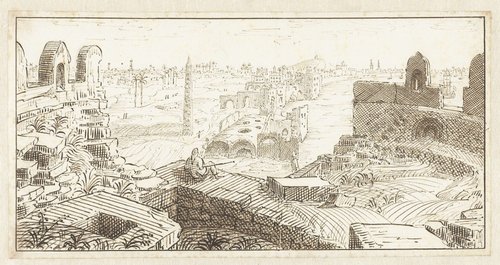
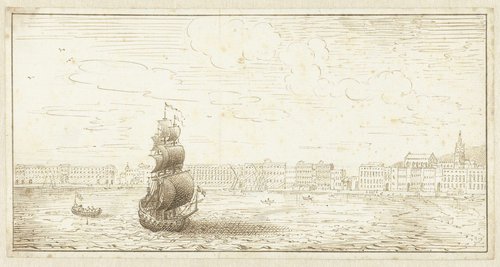
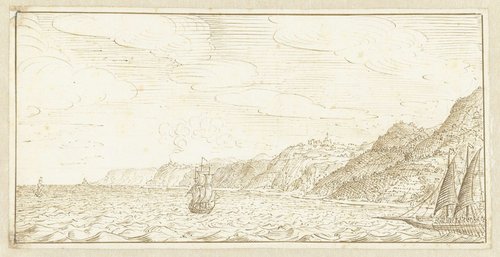
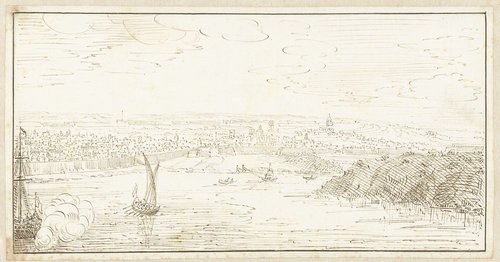
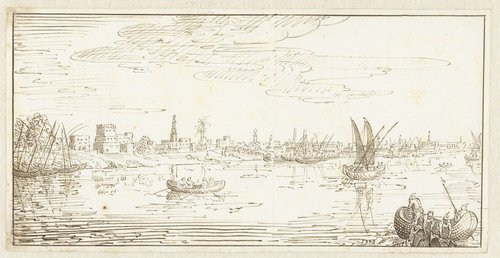
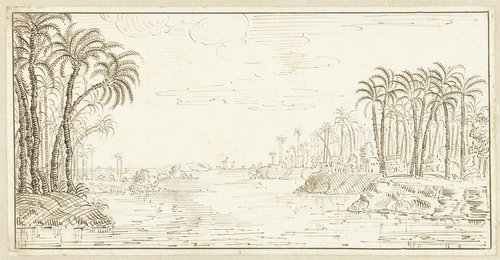
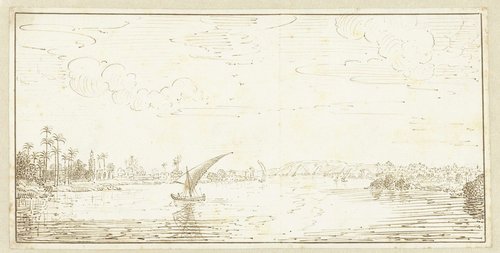
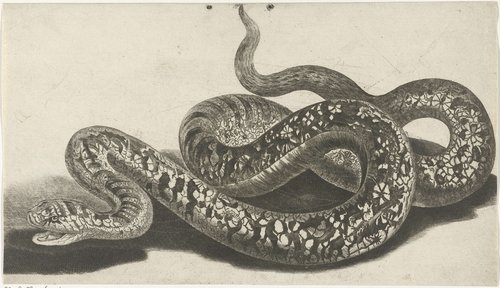
The workshop's output was remarkably diverse. It produced prints of classical figures and mythological scenes, drawing on the traditional subject matter of academic art. Townscapes and landscapes depicted views of Holland as well as German and Italian locations, appealing to collectors interested in geographical subjects. Natural history prints showed birds, flowers, insects, and animals with careful attention to detail. Perhaps most unusual were the military subjects—plans of military encampments and marching orders—which reflected Teyler's professional expertise and interests.
The color palette employed in these prints typically featured delicate, somewhat pastel tones rather than intense, saturated colors. This aesthetic choice created harmonious, decorative images that worked well in domestic interiors. The prints appealed to collectors who valued both the technical innovation of the color printing and the visual appeal of the finished images.
Marketing and distribution of the prints presumably operated through the established networks of print dealers in Amsterdam and other Dutch cities. The prints were probably sold both as individual sheets and possibly in themed series or sets.
The Teyler workshop's documented production ceased around 1697, after approximately twelve years of operation. The reasons for this cessation remain unclear. Teyler may have found the enterprise unprofitable or too demanding to continue alongside his military engineering career. The technical challenges of the à la poupée method—the labor-intensive hand-inking of each impression—may have proven economically unsustainable. Or Teyler may simply have satisfied his experimental curiosity and moved on to other interests.
Scholarly uncertainty surrounds the date of Teyler's death. While early sources suggested he died in 1697, more recent research indicates he probably lived until around 1709. This revised chronology means he survived his printmaking enterprise by approximately a decade, presumably returning his full attention to military engineering or perhaps pursuing other ventures.
Teyler's legacy in art history is specific and significant. He helped develop and promote color printmaking techniques at a time when such experiments remained rare and technically challenging. The à la poupée method, though difficult to execute consistently, demonstrated that multicolor printing from a single plate was feasible and could produce aesthetically appealing results.
The prints produced by the Teyler workshop have received increasing scholarly attention in recent decades. The Hollstein publishing house, which produces comprehensive catalogues of European prints, devoted four volumes to Johannes Teyler and Dutch color prints, indicating the scope and importance of this production. These prints are now recognized as significant early experiments in color printmaking that anticipated later developments in the medium.
Teyler's approach—that of an educated amateur organizing and financing artistic production by professional craftsmen—represents an interesting model that existed alongside the traditional artist-craftsman system. His success in producing technically sophisticated prints without being a professional artist himself demonstrates the possibilities for entrepreneurial involvement in artistic production during the early modern period.
Major collections including the National Gallery of Art in Washington hold examples of prints from the Teyler workshop, ensuring that these innovative color prints remain accessible to scholars and visible to contemporary audiences. The prints continue to be valued both for their technical innovation and for their aesthetic appeal, with their delicate colors and accomplished engraving still appearing fresh more than three centuries after their creation.
Artheon Research Team
Last updated: 2025-11-09
Biography length: ~1,753 words
Wikidata (CC0); Getty ULAN (ODC-By)