Ctrl K
1656–1705
Jan van der Meer, the Younger (1656–1705), remains a relatively obscure figure in Dutch art history, with biographical details largely limited to his lifespan and a small surviving body of work. Early life is not well documented, and no records of formal training, mentors, or artistic education have surfaced in available sources. He appears to have been active during the late Dutch Golden Age, a period when many painters worked in the tradition of landscape, still life, or genre scenes, though specific affiliations with schools or movements cannot be confirmed from existing information.
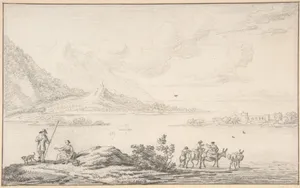
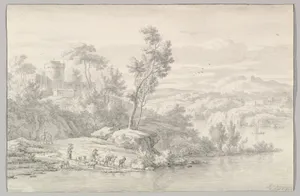
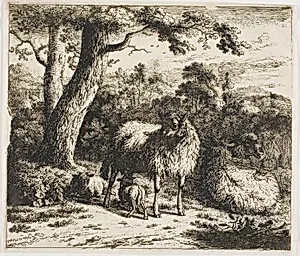
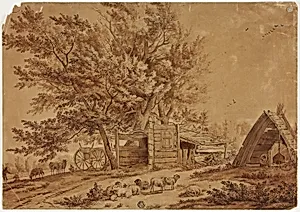
His known output consists of just four artworks held in the museum’s collection. These pieces represent the entirety of his documented production, suggesting either a modest career or significant loss of works over time. Without additional provenance or stylistic analysis from primary sources, it is difficult to pinpoint his preferred subjects, techniques, or influences. The scarcity of records may reflect the challenges faced by lesser-known artists of the era, many of whom operated outside major urban centers or prominent workshops.
Despite the limited evidence, van der Meer’s inclusion in the collection underscores the value of preserving even fragmentary artistic legacies. His works contribute to a broader understanding of 17th- and early 18th-century Dutch painting, offering glimpses into the diversity of talent beyond the era’s celebrated masters. Further archival research may one day illuminate his contributions more fully, but for now, he stands as a quiet presence in the museum’s holdings.