Ctrl K
1560–1620
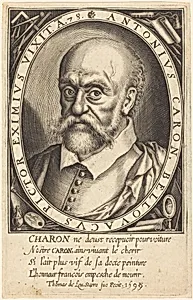
Thomas de Leu (c. 1560–c. 1612) was a Flemish-born engraver and print publisher who became one of the most prolific and celebrated portrait engravers working in France during the late sixteenth and early seventeenth centuries. Born in Oudenaarde in the Low Countries, the son of a print dealer, he began his professional life in Antwerp before making his way to Paris, where he worked in the workshop of the painter and engraver Jean Rabel. In 1583 he married Marie Caron, the daughter of Antoine Caron, a principal painter of the Second School of Fontainebleau—a connection that embedded him within the intellectual and artistic circles of the French court.
De Leu established himself as a highly productive workshop master in Paris, producing and publishing prints both of his own making and by artists working under his direction. He navigated the violent religious conflicts of the Wars of Religion with considerable political skill, ultimately aligning himself with the victorious Henri IV and becoming a figure of considerable prosperity and influence in the Parisian print trade. His output of original engraved plates numbered more than three hundred, the great majority of them portraits.
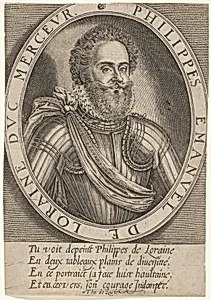
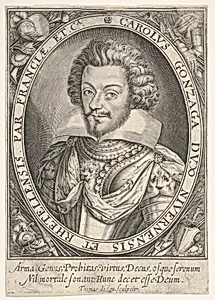
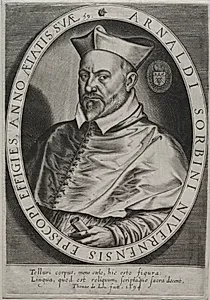
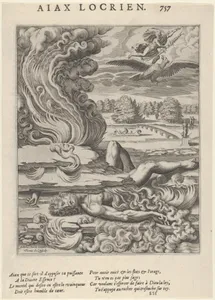
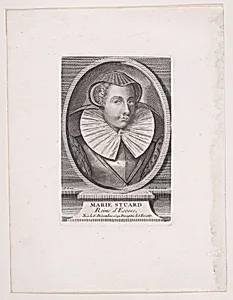
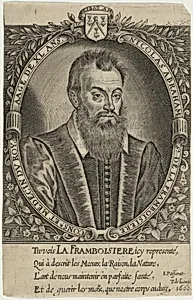
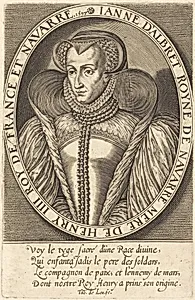
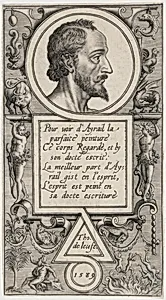
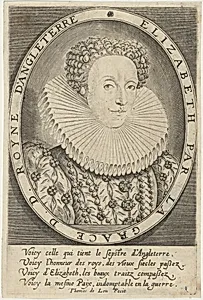
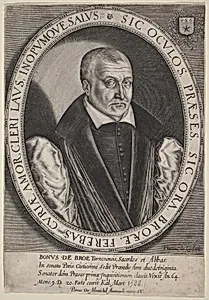
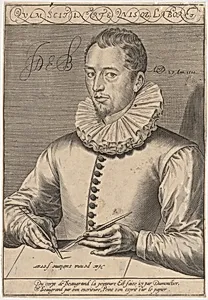
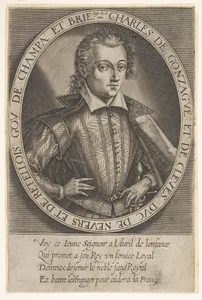
As a portraitist, de Leu excelled in capturing the likenesses of contemporaries with precision and psychological presence, working in the incisive burin technique that the Flemish engraving tradition had elevated to such high refinement. His sitters included Catherine de' Medici, members of the French nobility and clergy, international figures such as Sir Francis Drake, and prominent writers and scholars of the age. He also produced extensive series of religious subjects, including a set of twenty-five plates depicting the Life of Saint Francis.
De Leu's work stands as a significant document of late Renaissance and early Baroque portraiture in France—a period in which the engraved portrait served as the primary means by which the likenesses of the powerful and famous circulated across Europe. His prints are held in major collections in France, the United Kingdom, and the United States, including the National Gallery of Art in Washington, D.C.