Ctrl K
1787–1866
Thomas Fletcher (1787–1866) was a leading American silversmith whose career bridged the early republic's artisanal traditions and the burgeoning market for grand presentation silver. Born on April 3, 1787, in Alstead, New Hampshire, to Timothy Fletcher and Hannah Fosdick, his early life and training remain not well documented, with no records of formal apprenticeships or mentors identified.) By 1808, however, he had established a partnership with Sidney Gardiner in Boston, where they operated as jewelers; the duo relocated to Philadelphia in 1811, founding the upscale firm Fletcher & Gardiner.) There, Fletcher married Melanie Degrasse Veron on September 29, 1818, and they raised eight children.
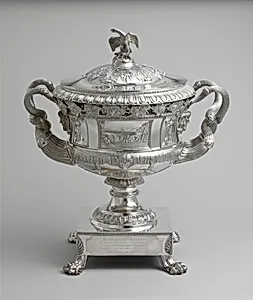
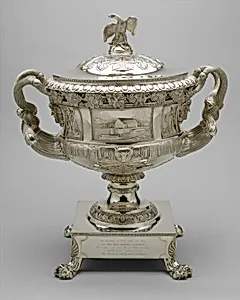
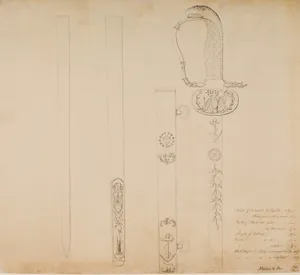
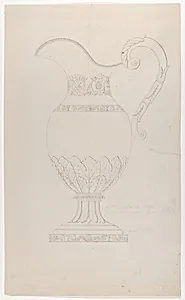
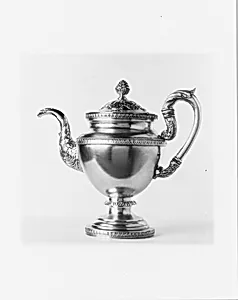
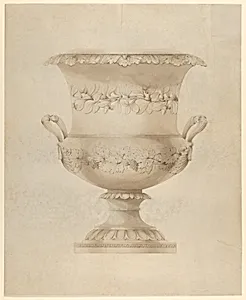
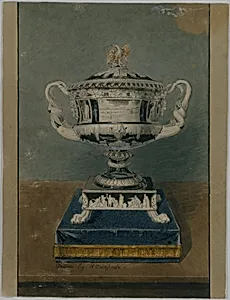
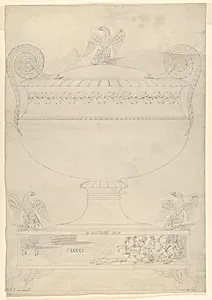
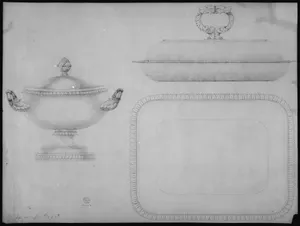
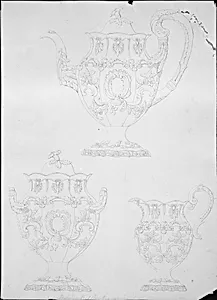
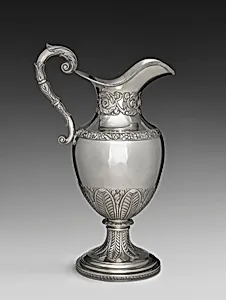
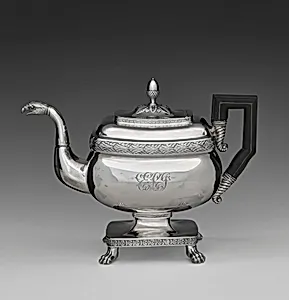
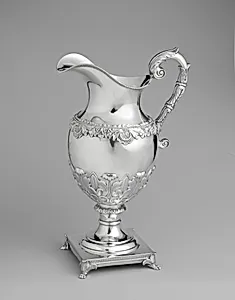
Fletcher & Gardiner quickly gained prominence crafting neoclassical silver in the French-inspired Empire style, renowned for monumental presentation pieces celebrating national heroes and events. Their workshop produced trophies for War of 1812 victories, including an urn commemorating the USS Constitution's triumph over HMS Guerriere (c. 1812), a silver urn for Captain Isaac Hull (1813), and another for Andrew Jackson (1816). Other notable commissions encompassed a five-piece tea and coffee service (1812–20), a table service for Commodore John Rodgers (1817), vases honoring DeWitt Clinton for the Erie Canal's completion (1824 and 1825), and a gold-enamel badge for the Society of the Cincinnati (1815–20). Fletcher's 1815 tour of England and France informed their retail imports and designs, elevating the firm as silversmiths to the nation.)
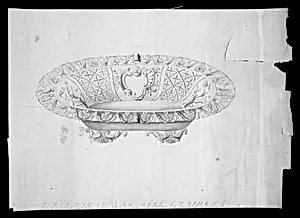
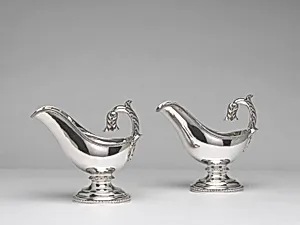
Following Gardiner's death in 1827, Fletcher partnered with Calvin W. Bennett, continuing production of luxurious items like sauceboats (1830–35) and candelabra (1834–40) amid economic strains. Financial reversals culminated in the firm's 1842 repossession; Fletcher then managed a Philadelphia boarding house before retiring to Delanco, New Jersey, in 1850, where he died on November 14, 1866.) His legacy endures in major collections at the Metropolitan Museum of Art, Yale University Art Gallery, Winterthur Museum, and beyond, embodying Philadelphia's dominance in American silver and the era's patriotic opulence.)