Ctrl K
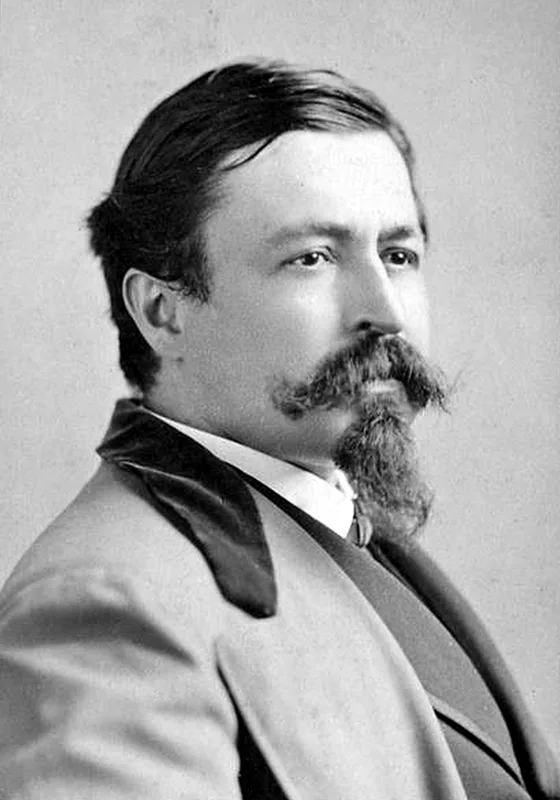
1840–1902
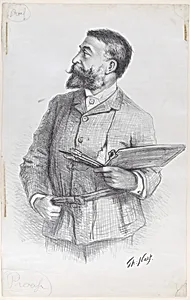
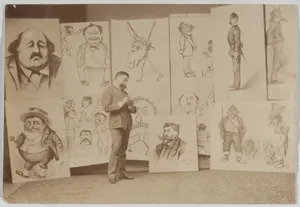
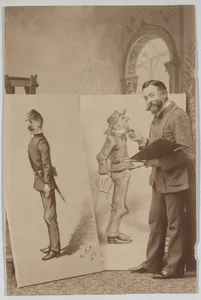
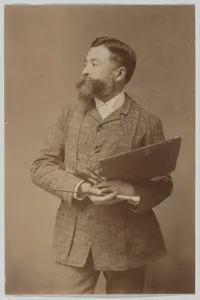
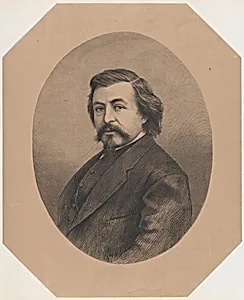
Thomas Nast (1840–1902) was the most powerful political cartoonist in American history, an artist whose images shaped public opinion, toppled corrupt politicians, and gave enduring visual form to some of the most cherished symbols of American popular culture. Born in Landau, Germany, he emigrated with his family to New York as a child and received his artistic training at the National Academy of Design, later finding his true calling as an illustrator for the popular press.
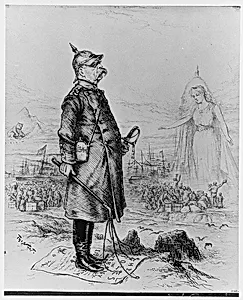
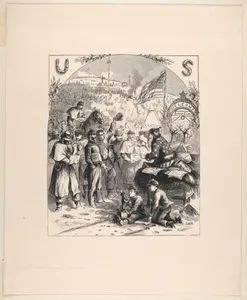
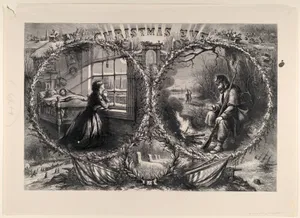
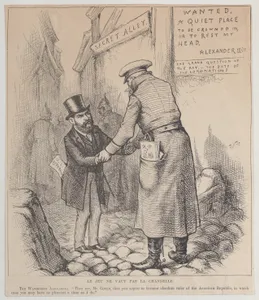
Nast's association with Harper's Weekly, which began during the Civil War, transformed both the publication and the role of the political cartoon in American life. His graphic dispatches from the war were credited by Abraham Lincoln himself as significant contributions to Union morale. In the years following the war, Nast turned his formidable graphic gifts against political corruption, most famously in his sustained campaign against William Marcy Tweed and the Tammany Hall political machine in New York City. His relentless caricatures of Boss Tweed and his associates — wielding his pen like a weapon — helped bring down one of the most brazen corrupt political organizations in American history.
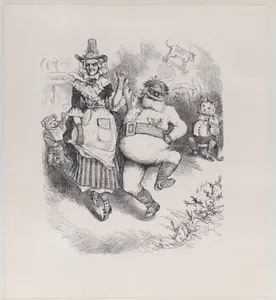
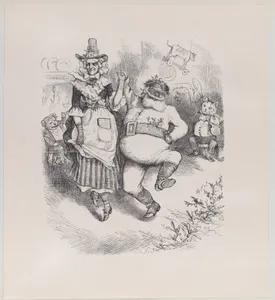
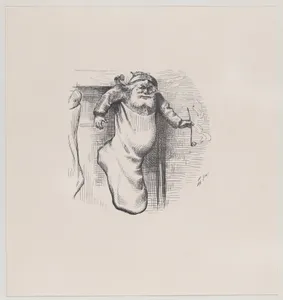
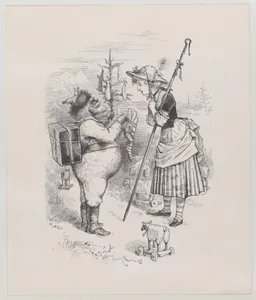
Beyond political combat, Nast contributed enduring images to American visual culture: his depictions of Santa Claus established the jolly, red-suited figure familiar today, and he played a key role in popularizing the donkey and elephant as symbols of the Democratic and Republican parties respectively. His Christmas illustrations, in particular, fixed certain ideas of the holiday in the American imagination.
Nast's legacy as a cartoonist-activist remains unparalleled. He demonstrated that graphic art could function as a genuine instrument of democratic accountability, holding power to account through wit, moral indignation, and brilliant visual invention. He is remembered as the father of American political cartooning.